Let's be honest about what actually happens
Your clitoris doesn't age out of pleasure. But your clitoris does age. And the way it responds to touch, stimulation, and sensation shifts in ways that mainstream sexual wellness completely ignores.
Aging + Pleasure
Your clitoral sensitivity doesn't disappear with age. It transforms. Here's exactly what changes, why air-suction lemon vibrators outperform traditional vibration for mature bodies, and how to reclaim intense sensation.
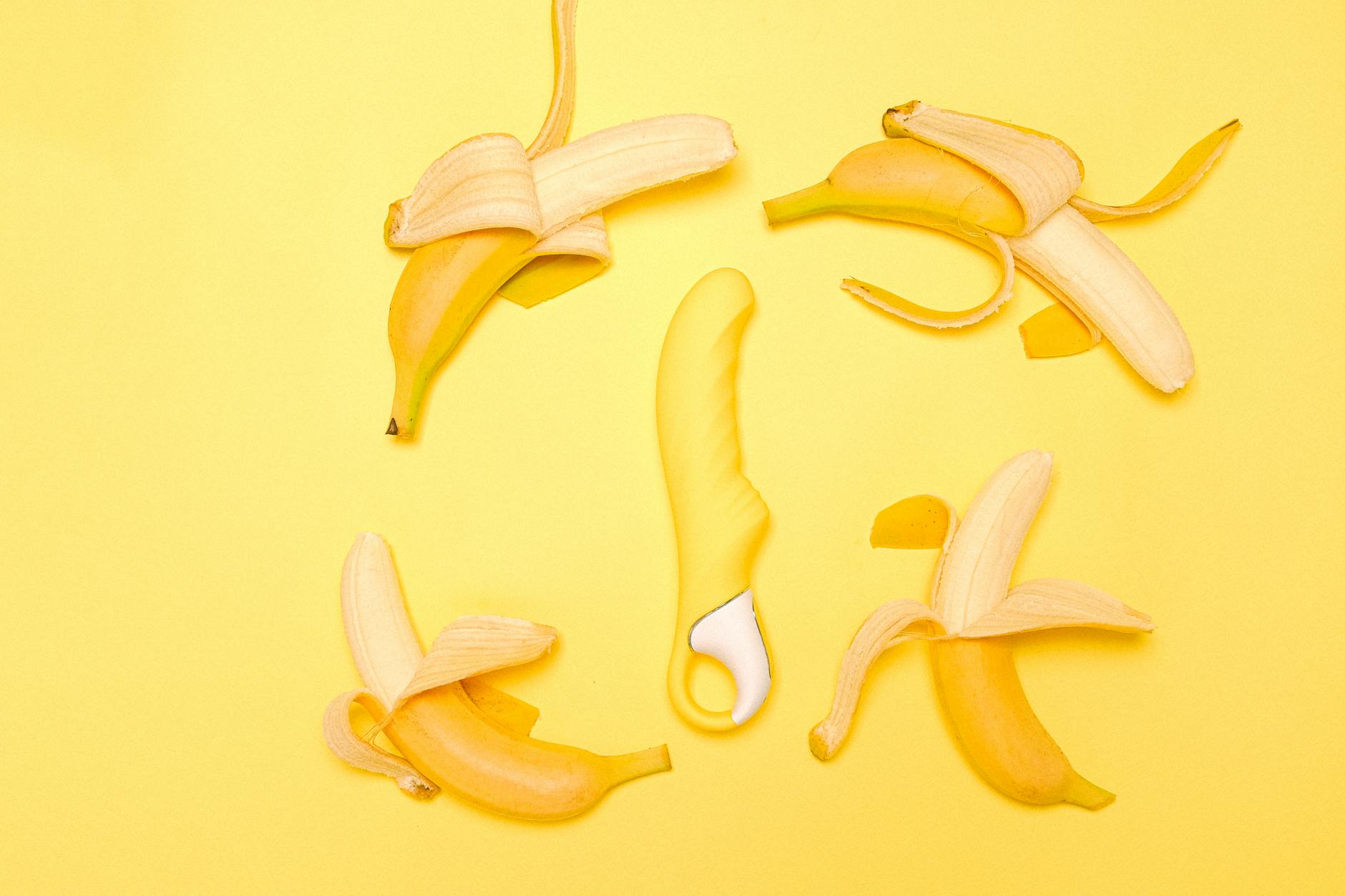
Your clitoris doesn't age out of pleasure. But your clitoris does age. And the way it responds to touch, stimulation, and sensation shifts in ways that mainstream sexual wellness completely ignores.
Most people assume sensation fades uniformly over time, like a battery losing charge. That's not what happens. What actually happens is more interesting, and good news: lemon vibrators and other air-suction devices are specifically engineered to work better with these changes.
Your clitoris has about 8,000 nerve endings packed into a tiny area. That number doesn't change with age. What does change is blood flow, skin elasticity, and how quickly those nerves fire in response to pressure and friction.
In your 20s and 30s, direct stimulation works fast. Traditional vibration rattles those nerve endings quickly, and you feel it immediately. By your 40s and beyond, two things shift:
First, it takes slightly longer for blood to engorge the clitoral tissue. This isn't weakness. It's a shift in timing. What used to take three minutes now takes five or six. That's not nothing, but it's workable once you know it.
Second, direct friction can feel less pleasant. Skin thins slightly due to lower estrogen, which means the same vibration speed that felt great at 25 can feel too harsh at 50. This is where most people make the mistake of assuming sensation is fading, when really they just need a different tool.
Enter lemon clitoral vibrators and air-suction technology.
Lemon vibrators use gentle suction and pulsing rather than high-speed vibration. Think of it like the difference between someone tapping your shoulder versus someone gently squeezing your hand. Both are stimulation, but they're different sensations engaging different nerve pathways.
Here's why this matters for aging bodies:
Air-suction stimulates the entire clitoral structure, not just the surface. Traditional vibrators work through pressure and friction against delicate tissue. Suction distributes that sensation more evenly, which means it's gentler on thinner, more sensitive skin and still plenty intense because it's engaging deeper nerve clusters.
Second, suction works with your body's natural response time. You don't have to match the vibrator's pace. The vibrator adapts to your body's arousal rhythm. That matters when things move a bit slower and you want control over intensity.
Third, many people report that suction-based pleasure feels different. Not better or worse, but fuller. Less sharp, more expansive. As tissue changes with age, this fuller sensation often feels more satisfying than the pinpoint intensity of traditional vibration.
I've worked with hundreds of people navigating this shift, and the pattern is consistent: they switch to a lemon clitoral vibrator expecting it to be a downgrade (quieter, less intense), and instead they often report the most consistent, satisfying orgasms they've had in years.
Understanding what's shifting helps you troubleshoot.
Vaginal and clitoral tissue thins slightly due to lower estrogen, especially after menopause. This is reversible and manageable, but it means direct pressure can sometimes feel uncomfortable. Lemon vibrators' distributed suction sidesteps this entirely.
Blood flow to the genital area decreases by about 20-30% on average by your 50s, but this varies wildly. Some people notice no difference in arousal time. Others find they need more foreplay or longer warm-up. Neither is a problem. Just a fact to work with.
The pelvic floor strengthens with use and weakens with disuse, but aging alone doesn't destroy it. If you've neglected pelvic floor work, you'll feel a difference. If you've kept at it, you might feel almost no change. This is actually empowering because it's actionable.
Nerve sensitivity doesn't diminish. The nerves are there and firing. What changes is arousal speed and the type of stimulation that feels best. Many people find their most intense orgasms happen after 40 because they've stopped fighting their body's natural rhythm and started working with it.
Two practical adjustments transform the experience.
First, budget more time for warm-up. This doesn't mean anything is broken. It means building longer foreplay, more touching, more attention to what feels good before bringing in the vibrator. Many people find this shift actually improves their overall experience because it slows them down and increases intimacy.
Second, start at lower intensity settings and work up. The Lem vibrator and other lemon sexual toys have multiple suction levels for exactly this reason. You're not looking for the fastest route to orgasm anymore. You're looking for the most pleasurable route. That's usually slower and more intentional.
Water-based lubricant becomes more important, not because you're broken, but because thinner tissue benefits from it. It also increases sensation through the vibrator because there's better contact. Use it generously.
Experiment with patterns. Most lemon vibrators have multiple pulsing patterns beyond the basic suction level. As your body changes, different patterns will resonate. The pattern that felt best at 30 might not be your favorite at 50. Keep trying.
Here's what I see most often: someone reaches their 40s or 50s, notices arousal or sensation feels different, and assumes the answer is to work harder, go faster, find something more intense. That's the wrong direction.
The actual answer is to notice what's changed and adapt. Your body isn't failing. It's evolving. Lemon clitoral vibrators work beautifully with that evolution because they're designed around gentler, more distributed stimulation that works with mature bodies rather than against them.
One more thing: pleasure doesn't follow a linear path across your lifespan. Many people report their most intense, satisfying sexual experiences come after their bodies have changed. Not in spite of the changes. Because of them. Because they finally stopped trying to force their bodies to perform the way they did at 25 and started exploring the unique pleasure architecture of the age they actually are.

Photo by Vanessa Loring on Pexels
I hear the same concerns from most people navigating this shift, and they're worth addressing directly.
"Does clitoral sensation really get worse, or am I just psyching myself out?" Some change is real and physiological. Some change is mental. Both are worth taking seriously. The solution for both is the same: adapt your approach and notice what works. A lemon vibrator does this automatically by removing the pressure to perform at an old intensity level.
"Is it normal to need more time to get aroused?" Completely normal. Thirty to fifty percent of people notice this shift in their 40s and 50s. It's not a problem. It's information. Use it to adjust foreplay and build longer, slower sessions. Most people find these longer sessions more satisfying anyway.
"Will sensation come back if I use vibrators less?" No, and that's not how this works. Your body has changed. Using a vibrator more or less won't reverse the physiological changes, but using the right tool (like a lemon clitoral vibrator) makes you work with those changes instead of against them.
"Is this permanent?" The changes are largely permanent, yes. But permanent doesn't mean worse. It means different. And different often means better once you've adapted.
Lemon vibrators use suction rather than vibration, which distributes stimulation across the entire clitoral structure instead of focusing pressure on the surface. As skin thins and sensitivity changes with age, distributed suction feels better than direct friction. The sensation is fuller and less harsh while remaining intense.
On average, arousal takes five to ten minutes longer in your 40s and 50s compared to your 20s and 30s. This isn't universal, and some people notice no difference. Budget extra time and notice what your body needs. Many people find longer foreplay improves overall satisfaction regardless of age.
Yes. Orgasms often feel different in quality, duration, and intensity. Many people report they feel more localized or take longer to build. Others report they feel fuller or more whole-body. The variation is normal and doesn't indicate anything is wrong. Experimenting with tools like lemon sexual toys helps you explore what feels best to your changed body.
Intensity doesn't have to decline. The pathway to intensity changes. Instead of fast and sharp, it often becomes deep and sustained. Many people report their most intense orgasms come after 45 because they've stopped fighting their body's timeline and learned to work with it. Lemon clitoral vibrators are specifically designed to build this type of sustained intensity.
Estrogen supports blood flow, skin thickness, and lubrication. As estrogen drops (especially after menopause), clitoral tissue thins and arousal takes longer. But the nerves remain intact and capable of sensation. Topical hormone creams can help if tissue thinning becomes uncomfortable. Air-suction vibrators like lemon vibrators compensate for these changes by providing gentler, more distributed stimulation.
Adapt gradually. Start by noticing what's changed and adjusting one element at a time: add a few extra minutes of foreplay, try a lower intensity setting on your vibrator, use lubricant, or experiment with different patterns. Most people find their rhythm shifts naturally over a few months as they pay attention and adapt.
Clitoral sensation doesn't disappear with age. It transforms. And transformation, once you understand it, is actually an opportunity to explore pleasure in deeper, slower, more intentional ways.
Lemon vibrators and other air-suction devices are built for this exact shift because they work with your body's changing responses instead of demanding it work harder. That's not a compromise. That's a smarter tool for a smarter body.
Your pleasure matters at 25, at 45, and at 65. The shape of that pleasure changes. The capacity for it doesn't. You deserve to explore that capacity fully, with tools and information that actually serve your body as it is right now, not as it was.
If you're curious about how to navigate these shifts with a partner, or if you want to explore how different tools might work for you, let's talk. We're here to help you build pleasure that works with your body, not against it.