How Lemon Vibrators Help Rebuild Pleasure After Nerve Desensitization
If traditional vibrators stopped working, your nervous system isn't broken. Here's how suction-based clitoral vibrators restore sensation when numbness takes over.
You've been using the same vibrator for years. It worked beautifully at first. Then one day you realize you need it on the highest setting just to feel anything, and even then, the sensation is distant. Maybe you've moved to an even more intense device, chasing that feeling that used to come so easily. This isn't a personal failure. This is your nervous system adapting to intense, repetitive stimulation. It's called desensitization, and it's wildly common.
When you use a high-frequency, high-intensity vibrator over time, your clitoral nerves adapt. They stop firing as readily. It's the same mechanism your body uses when you wear the same perfume every day and stop smelling it. The nerve endings habituate. The stimulation that felt electric at first requires more intensity to trigger the same response. Keep pushing, and you're locked in a cycle.
Traditional vibrators work through direct mechanical vibration. They're incredibly effective at first because they're novel to your nervous system. But the more you use them, the harder your body has to work to register pleasure. Some people describe it as feeling like they're touching someone else's body. The feedback loop breaks.
This is different from losing desire or capacity for orgasm. Your brain still wants pleasure. Your body can still have an orgasm. Your nervous system just isn't translating the signal anymore.
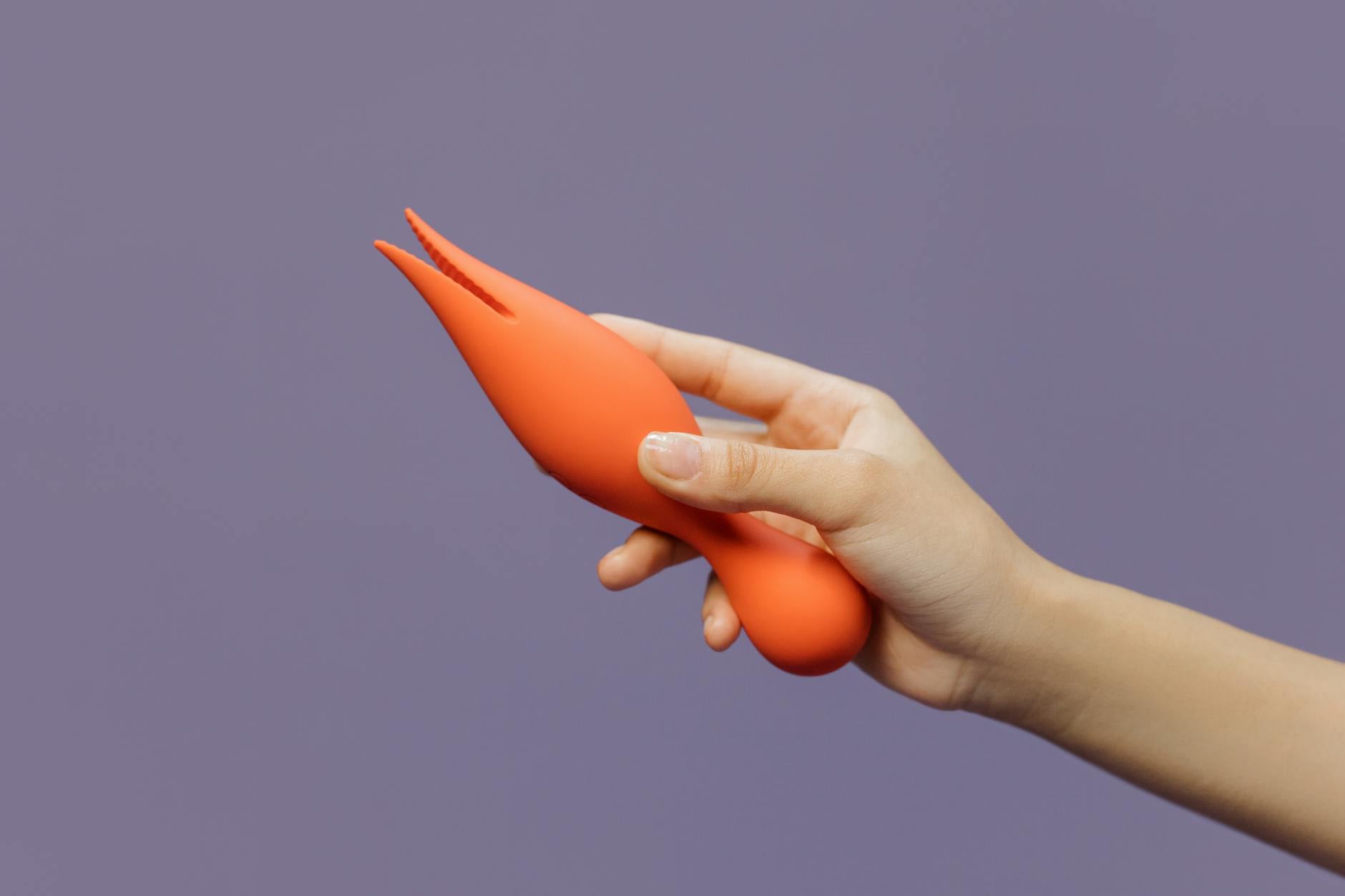
Suction-based devices like the Lem don't stimulate through vibration alone. They create a gentle pulse of pressure and release around the clitoral tissue. This works through a different neurological pathway. Instead of high-frequency vibration numbing the nerve endings, suction stimulates them through variations in pressure and suction intensity.
The distinction matters because your desensitized nerves haven't adapted to this pattern. It's novel input. Your nervous system wakes up.
For people recovering from desensitization, lemon vibrators often feel more intense at lower settings than traditional vibrators do at maximum. Not because they're physically stronger, but because your nerves are meeting something they haven't encountered before. The sensation registers differently.
If you've been using high-intensity traditional vibrators for years, expect recovery to take weeks, not days. Here's what the timeline typically looks like:
Weeks 1-2: Your body is cautious. Even the Lem might feel intense. Stay with the lowest settings. The goal isn't orgasm. It's retraining your nervous system to recognize sensation as pleasurable.
Weeks 3-4: You'll notice texture returning. Sensations feel less numb, more nuanced. Some people describe it as "waking up."
Weeks 5-8: Pleasure intensifies. You might notice orgasms feel sharper, more present. Some report that they're experiencing orgasms they haven't felt since their twenties.
Weeks 8+: Your nervous system has recalibrated. You can use the lemon vibrator on higher settings without chasing numbness.
This isn't linear. You might have a day where sensation dips again. That's normal. Your nervous system is still learning.
If you're starting this recovery, three things will help:
Step one: Stop using the old vibrator completely. Not "use it less." Stop. Your nervous system needs silence to recalibrate. Cold turkey works faster than gradual reduction.
Step two: Start with the Lem on the lowest setting, 5-10 minutes, 3-4 times a week. Not daily. Your nervous system needs recovery time between sessions. More stimulation doesn't mean faster healing. It means you'll plateau.
Step three: Pair it with manual touch. Use your fingers or a partner's fingers alongside the lemon vibrator. This helps your brain reconnect sensation to pleasure. Your nervous system learns that this input is safe and good.
Many people find that <a href="/blog/how-to-use-lemon-vibrators-with-pelvic-floor-dysfunction">pelvic floor tension compounds desensitization</a>. If you notice tightness during recovery, that's worth addressing separately. Relaxation practices help the healing process.
If you're in a relationship, desensitization can feel like a secret shame. It's not. It's a documented response to prolonged intense stimulation. Your partner probably doesn't know that you've been numb for months. They probably think the issue is with them or with desire.
The conversation goes like this: "I've been using vibrators that were too intense for too long. My nervous system adapted. I'm taking a break and switching to something gentler. I want you to be part of this with me."
That's it. Partners usually respond with relief and curiosity. They thought something was wrong. Now they know it's just physiology, and they can help.
Don't. I know the temptation. You'll feel amazing for a week on the lemon vibrator, then think, "I'm better now, I can use both." You can't. Your nervous system will immediately re-adapt. You'll be back in the numbness cycle.
The reset is a commitment. It takes weeks. It's worth it. But it requires patience.
Most people I work with report that after recovery, their pleasure is different. Not just restored, but expanded. They feel sensations in places they'd forgotten were sensitive. Orgasms are often more full-body. Some discover they can have multiple orgasms for the first time in years.
This happens because your nervous system hasn't just recovered. It's recalibrated to a lower threshold. You don't need the same level of stimulation anymore. That means finer sensations register. That means more pleasure, not less.
Desensitization is specific: you used to feel intense pleasure from a device, and now you don't, even though you want to. Low libido is broader. You don't want sex or touch in general. They're different problems. If you're aroused and interested but numb to sensation, that's desensitization.
Yes, absolutely. In fact, if you're in a relationship, involving your partner makes the recovery smoother. They can see the change happening. It also builds intimacy. Shared pleasure recovery is different from solo recovery.
Maybe, but it's not the goal. Even if your nervous system recalibrates enough to feel it again, you've discovered that gentler stimulation gives you better pleasure. Why go back? The lemon vibrator or other suction-based clitoral vibrators often become the preference even after recovery is complete.
That's the signal to check two things. First, are you truly not using your old vibrator? Even one or two uses can reset the clock. Second, is pelvic floor tension blocking sensation? If either is true, address it. If neither is true, talk to a gynecologist. Sometimes desensitization masks other issues like medication side effects or hormonal shifts.
No. Your nervous system recalibrates on its own timeline. What you can do is be consistent. Using the lemon vibrator three times a week works faster than once a week. But jumping to daily use doesn't accelerate anything. It just stresses your system.
No, but it gets worse. If you keep using the same high-intensity vibrator, you'll need more and more intensity. Eventually, you might chase stimulation that doesn't exist. Recovery gets harder the longer you wait. But it's never too late. I've worked with people who've been desensitized for a decade. Recovery still happens.
Desensitization feels like failure. It's not. It's information. Your nervous system is telling you that it needs something different. That's not a loss. That's a door opening to new kinds of pleasure.
The reset takes patience and honesty. It asks you to be gentle with yourself when you've been used to intensity. It means involving your partner if you have one, or deepening your own relationship with your body if you don't.
But people who go through recovery consistently report that their pleasure comes back sharper, more varied, and more deeply satisfying than before. That's worth a few weeks of slowness.
If you're ready to start, the Lem is designed for exactly this work. If you have questions about your specific situation, <a href="/contact">reach out</a>.