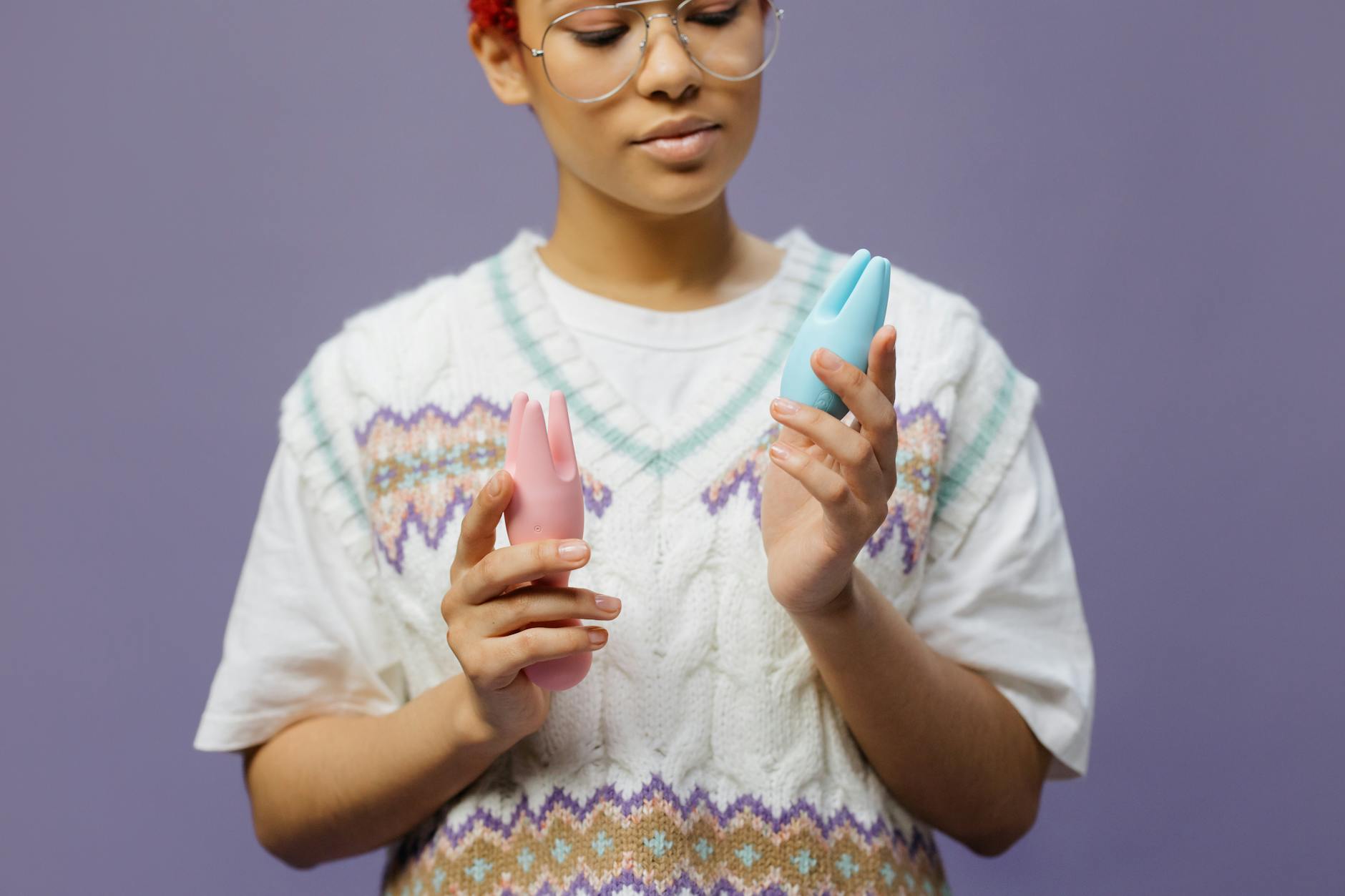
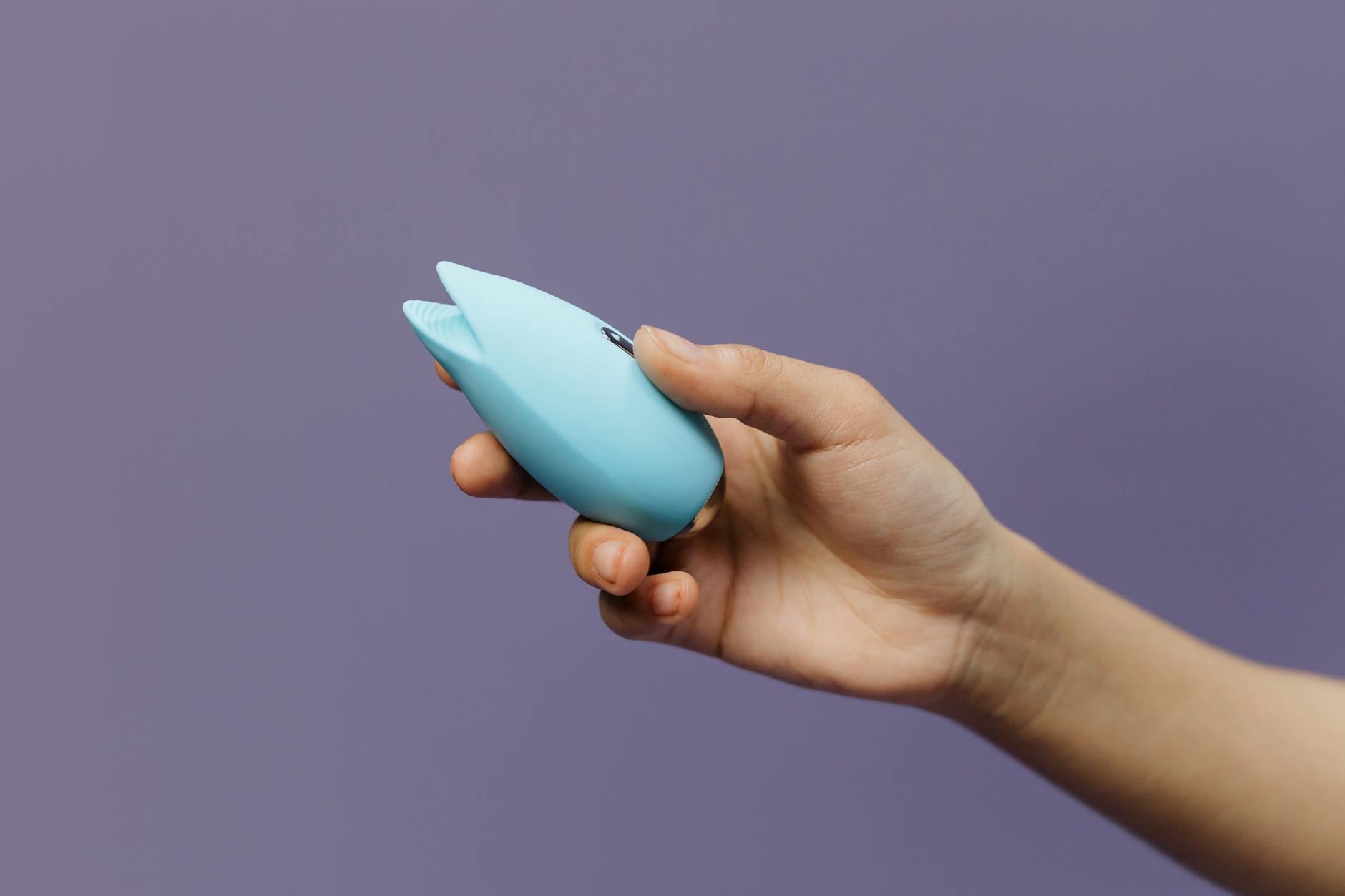
Your brain's threat detector is firing during intimacy. Here's how lemon clitoral vibrators bypass performance anxiety and bring you back into your body.
Let's be real: anxiety during sex isn't a character flaw. It's your nervous system doing its job a little too well. When you're worried about performance, orgasming, taking too long, or how you look, your brain flags the whole situation as a threat. Your sympathetic nervous system kicks in. Blood vessels constrict. Arousal flatlines. You become hyperaware of every sensation instead of lost in it.
This is the nervous system working exactly as designed. Unfortunately, it's also the exact opposite of what you need for pleasure.
The paradox is brutal: you want to relax, so you think harder about relaxing, which makes you tenser. Most advice skips right past this trap and suggests meditation or breathing exercises. Those help sometimes. But they're also asking you to solve a nervous system problem using your prefrontal cortex, which is already overloaded.
Here's what air-suction lemon vibrators do differently than traditional vibrators. Instead of building arousal gradually through friction, they create rapid suction pulses that flood the clitoris with sensation. This sensory input is so specific and novel that it hijacks your anxious brain's attention pattern.
You can't think about whether you're doing it right while your nervous system is processing something completely new. The lemon sucker demands presence in a way that talking yourself down from anxiety cannot.
Second: traditional vibrators ask you to build and maintain arousal through active stimulation. That's performance pressure baked in. Lemon clitoral vibrators, especially gentler patterns, allow you to surrender into sensation without chasing an outcome. Many people with anxiety respond better to this receiving mode. You're not performing. You're experiencing.
Third: the sensation is containable. If it's too much, you adjust the pattern. If your anxiety spikes, you have agency without the shame narrative of "I'm broken." You're simply fine-tuning what your body needs right now.
When you're anxious during sex, your vagal tone is low. The vagus nerve controls your parasympathetic (rest and digest) response. Low vagal tone means you're stuck in fight-or-flight mode, unable to fully relax.
Intense, focused sensation can actually reset vagal tone. This is called "polyvagal theory," and it's behind a lot of modern trauma-informed therapy. Specific sensory input can tell your nervous system, "We're safe now. You can come back down."
Lemon suction vibrators, because they deliver sensation that's different from everyday touch, can trigger this reset. Your body stops waiting for threat and starts processing pleasure instead. This isn't metaphorical. Brain imaging shows that when people with anxiety use devices that demand full attention, their threat-detection circuits actually quieter down.
Combine this with the fact that clitoral suction doesn't require the same mental orchestration as traditional vibration, and you've got a pathway around the "I have to relax" paradox. You're not trying to relax. You're trying to track what's happening right now.
Start with the lowest pattern. Not because you have to build up. Because your goal is to teach your nervous system that this is safe stimulation, not another performance test.
Set a timer for 10 minutes and commit to not coming. This sounds counterintuitive, but removing the outcome goal removes the anxiety's favorite fuel. You're not trying to prove anything. You're just experimenting with sensation.
Let your mind wander. Many people think they need to focus intensely on pleasure, which creates the exact tension that blocks it. With a lemon clitoral vibrator, you can let your thoughts drift. The sensation is doing the work. Your job is to notice it, not chase it.
If anxiety spikes, don't stop immediately. Drop down one pattern level and breathe. You're teaching your nervous system that a small adjustment solves the problem, not that you need to panic and shut down. Over time, this resilience builds.
Use it solo first. Many people with anxiety perform better in partnered situations after they've had solo time to discover what actually feels good versus what they think should feel good. Solo time with a lemon suction vibrator is research. It's data collection. It's permission.
Why does this matter? Traditional vibrators require consistency. You hold them at the right angle, maintain the right pressure, adjust as things shift. That's work. Your brain is still managing something.
Lemon clitoral vibrators ask almost nothing of you. Apply suction, select a pattern, let it do its job. This simplicity is huge for anxious minds. You can literally relax into it because there's no technique to maintain.
Also, the sensation is so targeted that it's hard to second-guess. With a wand vibrator, people often wonder if they're using it right, if they should be feeling more, if something's wrong. The specificity of suction sensation feels more obvious. Either it feels good or it doesn't. There's less room for anxiety to whisper that you're failing somehow.
This is why many sex therapists recommend lemon sexual toys to clients with performance anxiety specifically. It's not because they're objectively "better." It's because they short-circuit the anxiety loop in a way that other tools often can't.
Sometimes even with the right tool, anxiety lingers. That's not failure. That's information.
If you find yourself tightening up even with low patterns, that's usually a sign that something in your life or relationship is genuinely threatening. No vibrator can fix a trust issue or a power imbalance. But here's the thing: recognizing that helps you solve the actual problem instead of blaming yourself for being broken.
If you're anxious solo, that's your nervous system telling you something. Maybe you need more privacy. Maybe you need a different time of day. Maybe you need to work through some shame first. All valid. Use that information.
If anxiety shows up only with a partner, that's different data. It might mean you need to rebuild safety in the relationship, set clearer boundaries, or have conversations you've been avoiding.
Lemon vibrators are a tool for pleasure, not a workaround for genuine relational issues. They help quiet the noise so you can hear what you actually need. That clarity is the real win.
Here's what I know after decades of working with couples: the people who feel most guilty about anxiety during sex are usually the ones who care most about intimacy. You're anxious because you want this to matter. You want to feel good. You want to connect.
That's not broken. That's caring.
Lemon clitoral vibrators help because they work with your nervous system instead of against it. They don't ask you to think your way out of anxiety. They give your brain something else to process. Sensation instead of worry.
Many clients tell me that after a few solo experiences with a lemon suction vibrator, they feel more confident bringing that ease into partnered situations too. Not because the vibrator is magic. But because they've proved to themselves that pleasure without performance pressure is real. And once you know what that feels like, you can recreate it.
Your body isn't broken. Your nervous system isn't broken. You're having a normal human response to pressure. And there are tools, like lemon vibrators, that actually work with that response instead of shaming you for having it.
Lemon clitoral vibrators can absolutely help, but they're most effective when combined with other support. If your anxiety is severe enough that it's affecting your quality of life or relationships, talking with a therapist who specializes in sexual health is worth doing too. Vibrators are tools for pleasure, not treatment for anxiety disorders. But many people find that using them solo helps them understand what they actually like, which builds confidence and reduces performance pressure over time.
Most people notice a difference within the first few sessions. Because the sensation is so specific and novel, it tends to capture attention quickly, which interrupts the anxiety loop right away. But the real benefit comes over weeks and months as you build a sense of safety around your own pleasure. It's not about the vibrator becoming less effective. It's about your nervous system learning that sexual touch doesn't have to be stressful.
It depends on what you mean by anxiety. If you're anxious about performance or how you're doing, a lemon suction vibrator can help by removing that pressure. If you're anxious because something genuinely unsafe is happening in your relationship, then no tool will fix that. You'd need to address the actual safety issue. The difference is: anxiety about whether you're orgasming fast enough is performance anxiety. Anxiety because your partner dismisses your boundaries is a relationship issue. Know which one you're dealing with.
Absolutely, but I usually suggest starting solo first. Partnered sex adds relational variables that can complicate things. If you explore alone and learn what helps your nervous system quiet down, you then have concrete information to share with your partner. You can say, "I feel less anxious when we slow down" or "This pressure level works better for me." That specificity is way more helpful than both of you guessing.
That might mean your anxiety has a different source. Maybe you're stressed about something in your life, not just sex. Maybe there's relational tension you haven't addressed. Maybe you need more privacy or a different time of day. Use the vibrator as an experiment. Pay attention to when anxiety shows up and when it doesn't. That pattern tells you what the actual issue is.
No. It's evidence that you care about your pleasure and you're willing to find tools that work for your nervous system. That's healthy. Millions of people use clitoral vibrators. Many specifically choose lemon vibrators because the suction sensation feels different from traditional vibration and is less demanding mentally. There's nothing wrong with you. You're just taking care of yourself.
Anxiety during sex is incredibly common, and it's not your fault. Your nervous system is doing what it evolved to do. But you can work with it instead of against it. Lemon vibrators, especially suction-based clitoral vibrators, help because they bypass the performance anxiety loop and pull your attention into pure sensation. They're not a cure for relationship issues or clinical anxiety, but they're a solid tool for sexual anxiety specifically.
Start solo. Start low. Remove the outcome goal. Let your nervous system learn that pleasure can be calm. Once you know that feeling, everything changes.
If you're ready to explore what actually works for your body, reach out to us at Hello Nancy. We're here to help you figure out what tool fits your needs, no judgment, no pressure.