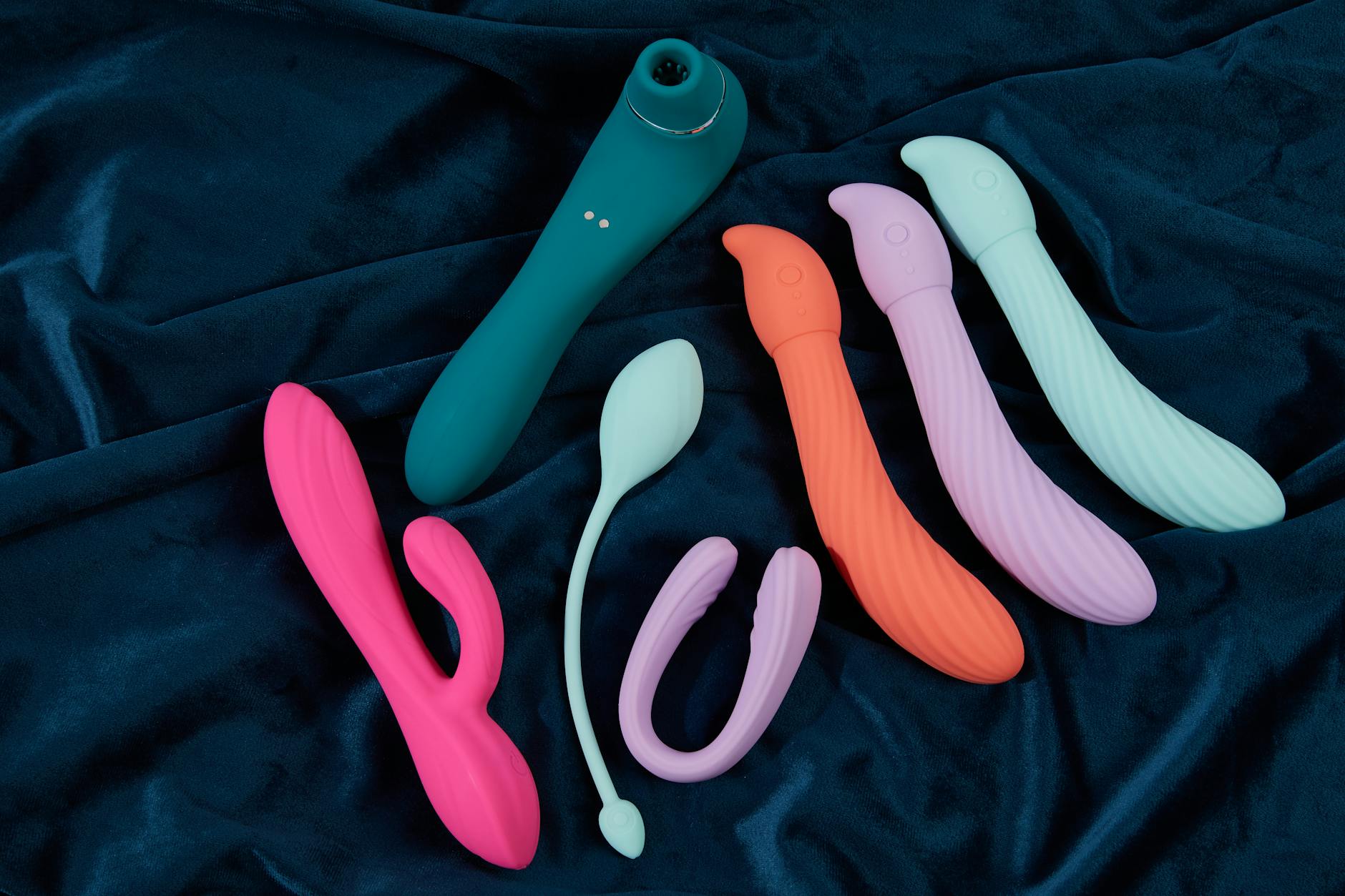
How Lemon Vibrators Improve Intimacy When You Have a Low-Libido Partner
Desire mismatch is one of the most common things couples don't talk about. Here's how lemon sexual toys and honest communication can help you both feel less alone.
Your partner doesn't want sex as much as you do. You love them. You're attracted to them. You've tried talking about it, and nothing changes. So you stop asking. Then you stop trying. Then intimacy becomes this quiet, aching thing that lives in the room but gets no oxygen.
I see this pattern in my practice constantly, and here's what I know: it's not about rejection. It's about a mismatch that neither of you caused, and that neither of you should have to simply accept and suffer through.
Low libido isn't laziness. It's not a reflection of how much your partner loves you. It's usually one of five things: stress, medication side effects, hormonal changes, past trauma (often unprocessed), or simple biological difference in baseline desire. Sometimes it's grief. Sometimes it's resentment. Often it's a combination.
Here's the part most couples miss: trying harder to convince a low-libido partner to want more sex doesn't work. It creates pressure. Pressure creates shame. Shame creates withdrawal. And suddenly you've moved further apart, not closer.
What does work is removing the performance pressure entirely and building intimacy on different terms.
This is where devices like lemon clitoral vibrators enter the picture, but not in the way you might think. I'm not suggesting you hand your partner a toy and say "this will fix it." That's still pressure.
What lemon adult toys do is create a parallel experience. When you use a lemon vibrator for your own pleasure, independent of your partner's arousal cycle, you stop waiting for them to want you. You stop performing readiness. You stop being disappointed.
You also stop being resentful. And that shifts everything.
A lemon vibrator gives you agency. You can build pleasure on your own timeline. You can experience orgasm without waiting for your partner to be in the mood. And when they're not around, that's fine. When they are, you're not entering the interaction starved for touch.
Before you introduce a toy, you need a real conversation. Not during sex. Not when someone's frustrated. Ideally on a walk or over coffee, somewhere neutral.
Here's the framework I recommend:
**"Our desire levels are different, and that's okay. It's not anyone's fault. But I'm noticing that I'm starting to feel resentful, and I don't want that. So I want to find a way for both of us to feel good, without pressure. I'd like to explore that with you. Would you be open to talking about it?"
If they say yes, you can then introduce the idea of using a lemon sexual toy for your own pleasure. Not as a threat. Not as a Band-Aid. As an actual solution that lets you both breathe.
If they say no or get defensive, that's information too. It means the real issue is something deeper, and you might need a couples therapist.
Lemon vibrators use air-suction technology, which feels different than traditional vibration. It's gentler, more focused, and it works well whether you're highly aroused or just starting out. That matters when you're using a toy to pleasure yourself independent of a partner's interest.
The sensation is localized enough that you can use it during partnered time without it feeling like you're ignoring them. Some couples find that one partner using a lemon vibrator while the other is present (but not actively engaged) actually increases intimacy. It normalizes solo pleasure. It takes the pressure off performance.
You're not asking your partner to be someone they're not. You're asking them to be okay with who you are.
Some partners, once the pressure lifts, become interested in sex more often. Not because the toy "fixed" them, but because shame and resentment left the room. They no longer feel like they're failing you by not wanting sex.
Other partners stay at their baseline, and that's fine too. You've found a way to meet your own needs. The relationship stops being about constant negotiation.
What matters is that you're no longer waiting for permission to feel good. And that's not a small thing. That's the difference between a relationship that feels like a cage and one that feels like a partnership.
Here's what I want to be clear about: using a lemon vibrator doesn't mean you're settling for less connection. It means you're refusing to suffer while waiting for it. Those are different things.
You still deserve affection. You still deserve to be wanted. A toy isn't a replacement for emotional intimacy. It's a way of saying: "I love this person, and I'm not going to destroy myself waiting for them to want me the way I want them."
If the emotional intimacy is also gone, that's a separate conversation. That's when you might need to ask whether this relationship is working.
But if you still love each other, and it's just this one friction point, a lemon clitoral vibrator and an honest conversation can genuinely change the dynamic.
Not if you frame it correctly. The conversation isn't "I need a toy because you don't satisfy me." It's "I need to take care of my own pleasure so I stop resenting you for not wanting sex as much as I do." One is blame. The other is responsibility.
Completely. Studies suggest that about 30-40% of couples experience a significant desire mismatch at some point. You're not broken. You're just navigating something that requires intentional communication.
That belief usually comes from a place of insecurity or old cultural messaging that solo pleasure is somehow disloyal. A good therapist can help unpack that. But the bottom line: using a lemon vibrator is not cheating. It's self-care.
Sometimes, yes. But only if both people are genuinely interested. If one partner is doing it to appease the other, it creates more resentment. Better to start solo and see if curiosity develops naturally.
The weirdness comes from secrecy and shame. The less weird it becomes. So: honest conversation, matter-of-fact tone, and zero judgment. "I'm thinking about trying a lemon vibrator for myself. I wanted you to know." That's it.
That's your boundary to set. You can be in the room together without their hands being involved. You can share the experience without it being partnered sex. Different people have different needs, and that's okay.
Desire mismatch doesn't mean your relationship is failing. It means you're human, and humans are complicated. Some of us need sex to feel connected. Others need connection before sex feels possible. Neither is wrong.
What matters is whether you're willing to find a solution that doesn't ask one person to become someone they're not. A lemon vibrator won't fix a broken relationship. But it can give you space to breathe while you figure out whether the relationship is worth saving. And sometimes that's exactly what couples need to actually reconnect.
If you're stuck, if the conversation keeps stalling, consider working with a couples therapist. That's what we're here for. You don't have to white-knuckle this alone.