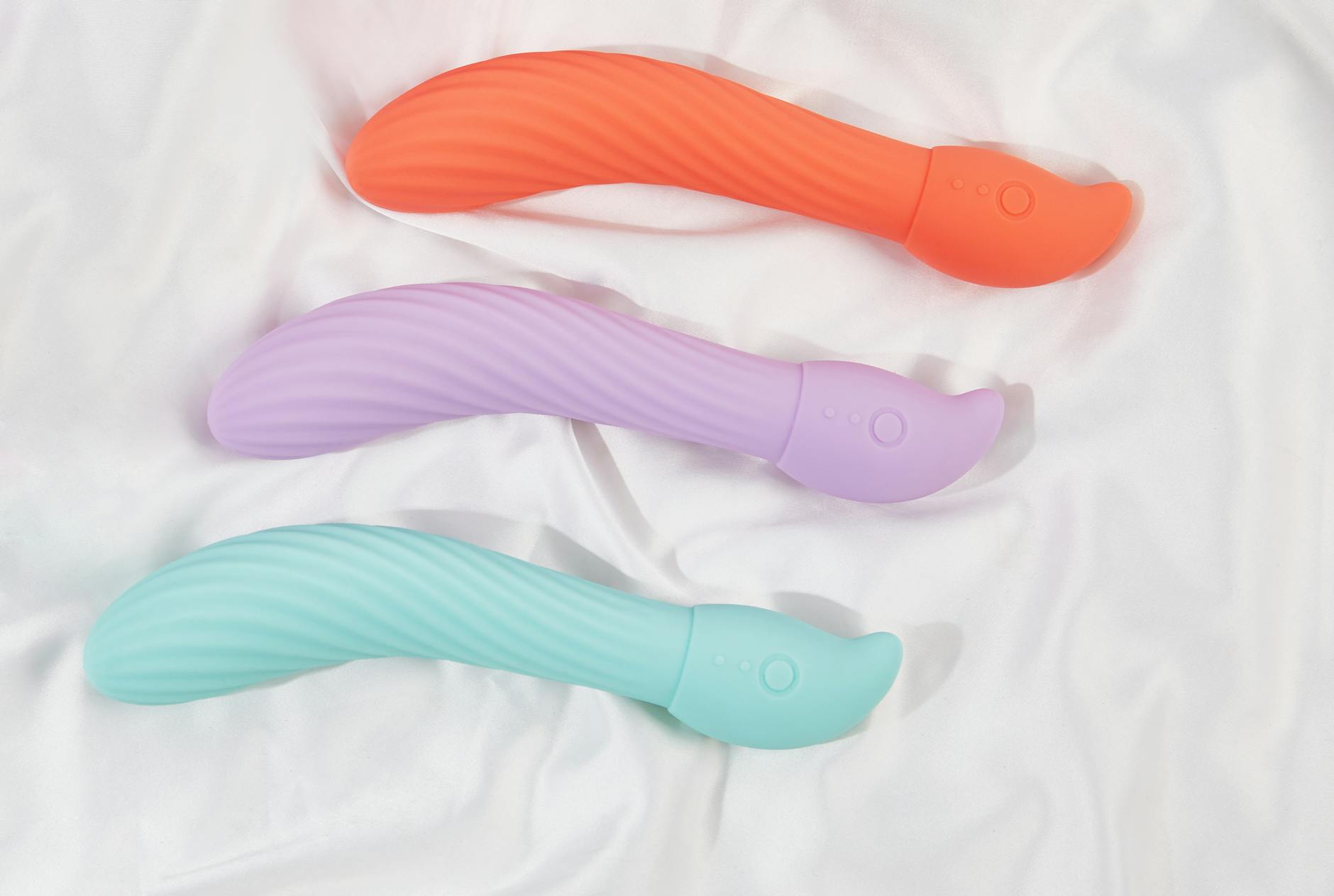
Cancer treatment changes pleasure. It doesn't end it.
Let's be direct: chemotherapy, radiation, and surgical treatment affect sexual function and sensation. But here's what nobody tells you clearly. The changes are temporary for most people, and recovery is possible. More than that, rebuilding pleasure after cancer can actually deepen intimacy in ways that weren't there before.
I've worked with dozens of people navigating this transition. The couples who recover fastest aren't the ones pretending nothing changed. They're the ones who get specific about what changed, why it matters, and what tools actually help. That's what this is about.
What cancer treatment does to sensation and desire
Chemotherapy damages fast-dividing cells, including nerve endings. This creates a cascade of sensory changes. You might experience numbness in your genitals. You might feel tingling or burning when you don't expect it. Nerve pain (neuropathy) can make direct touch feel uncomfortable. That's not normal aging. That's a specific treatment side effect.
Radiation to the pelvic area adds another layer. It reduces blood flow to genital tissue. Tissue becomes thinner, more fragile, less responsive to stimulation. Vaginal dryness is common even years after treatment ends. The clitoris might feel duller or harder to locate for pleasure.
Surgery that removes ovaries triggers instant menopause. Testosterone drops fast. Estrogen drops fast. The body loses the hormonal scaffolding that fueled desire.
Most important: none of these changes mean you can't experience pleasure again. They mean you need a different approach.
Why sensation loss feels like loss of identity
People don't just mourn the pleasure itself. They mourn the version of their body that knew how to respond on command. That version made them feel attractive. Confident. Themselves.
Cancer treatment takes that away. And the temptation is enormous to never try again. To protect yourself from the disappointment of a body that no longer works the way it did.
Here's what I tell people: your body isn't broken. It's recovering. Recovery isn't linear. Some days sensation is better. Some days worse. That's not failure. That's healing.
Why lemon vibrators work differently for treatment recovery
Let me explain the mechanics first. Traditional vibrators deliver vibration through direct friction. That's effective for bodies with full sensation. For people recovering from cancer treatment, that friction can feel overwhelming or even painful on newly sensitive tissue.
Lemon vibrators and suction-based clitoral vibrators work a different way. They use gentle pulsing suction instead of friction. This stimulates the clitoris without the mechanical pressure. For people with neuropathy or tissue sensitivity, this is often less triggering and more pleasurable.
Second, suction builds sensation gradually. You start at the lowest setting. The gentle pulsing wakes up nerve endings without overstimulating them. Over time, your body remembers what pleasure feels like. Your brain relearns the pathway.
How to start rebuilding pleasure safely
Timing matters. Most oncologists recommend waiting until acute side effects have settled. That's usually 6 to 12 weeks after chemotherapy ends, or 3 to 6 months after radiation. Talk to your oncology team about your specific timeline. There's no shame in that conversation. It's part of recovery.
When you're ready, start solo. Not because partnered pleasure is wrong, but because you need data about your own body first. What sensation is comfortable? What timing works? What settings feel good today?
Bring a lemon vibrator into this exploration. Start on the lowest setting. Use it for short sessions. Five to ten minutes is enough. You're not chasing an orgasm. You're collecting information about sensation.
Lubricant is essential. Water-based lube helps if tissue is thin or dry. It also reduces friction and makes everything feel gentler. This isn't optional. It's part of the protocol.
When to involve your partner again
If you have a partner, resist the urge to jump back into partnered sex immediately. That pressure backfires. Instead, spend time rebuilding non-sexual touch first. Hand-holding. Massage. Kissing. Skin-to-skin contact that has zero expectation attached.
When you do introduce partnered pleasure, be specific about what feels good. "My tissue is sensitive right now" is better than silence. "I want to use my lemon vibrator and have you hold me" is a concrete plan that both people can follow.
Make space for awkwardness. Your partner might feel scared about hurting you. You might feel vulnerable. Those feelings are normal and don't mean something is wrong. They mean you're rebuilding something that matters.
The pelvic floor and recovery
Cancer treatment often triggers pelvic floor tension. Surgical trauma. Radiation. Chemotherapy neuropathy. Your pelvic floor muscles clench protectively.
A clenched pelvic floor makes everything harder. Sensation is muted. Pleasure is harder to access. Penetration becomes uncomfortable.
Gentle stretching helps. Deep breathing helps. And counterintuitively, using a lemon vibrator on the lowest setting can help your pelvic floor learn to relax. The gentle stimulation teaches your nervous system that genital touch is safe again.
If pelvic floor tension is significant, ask your oncology team about pelvic floor physical therapy. This is different from kegels. A pelvic floor specialist teaches your muscles to release, not contract.
What actually happens neurologically during recovery
Your brain has a map of pleasure. Cancer treatment scrambles that map. Chemotherapy damages the nerves that carry sensation signals to your brain. Radiation changes blood flow. Surgery removes tissue.
But here's the hopeful part: your brain is plastic. It rewires. New neural pathways form. The lemon vibrator, used consistently over weeks, is training your nervous system. You're rebuilding the connection between genital sensation and pleasure.
This takes time. Usually several months. Some people recover fully sensation within six months. Others take a year or more. The timeline varies based on treatment type, dose, and individual healing.
There's no deadline. You're not racing toward normal. You're building a new normal that works for this body, now.
When to see a specialist
If pain persists beyond three months of consistent recovery work, see a gynecologist who specializes in cancer survivorship. Nerve pain can be treated. Tissue changes can be managed. Persistent dryness can be addressed with vaginal estrogen cream or hyaluronic acid treatments.
If desire hasn't returned and you want it to, ask about testosterone therapy. It's not standard in many places, but it's worth discussing with an oncologist who's open to sexual health.
If your partner is struggling with the changes, couple's therapy helps. Not because your relationship is broken, but because cancer treatment affected both of you. A therapist who understands post-cancer intimacy can help you rebuild together.
The honest truth about recovery
Some people report that pleasure after cancer treatment feels different and better. They describe being more present. Less performance-focused. More grateful for sensation, even mild sensation. More connected to their partner.
That's not universal. Some people just want their old body back, and that's valid too. Both experiences are real.
What I know from years of working with couples is this: pleasure is recoverable. It looks different. It arrives on a different timeline. But it arrives. And the lemon vibrators and suction-based clitoral tools that help you rebuild it aren't a substitute for normal. They're a bridge back to your own pleasure, in whatever shape that takes.