Let's be real about what happens
After ten years, five years, even three years together, desire can feel like a muscle you've stopped using. Not because you've stopped loving your partner. Not because they're less attractive. But because you've optimized the experience into a routine that runs on autopilot. Sex becomes something that happens on Saturday nights after the kids sleep, or Tuesday if you're both not exhausted. It's predictable. It's fine. It's also nowhere close to what it used to be.
Here's what I see in my practice: couples in solid, loving relationships who haven't actually desired each other in years. They care deeply. They're committed. They just can't remember the last time either of them felt that pull.
This is fixable. But it doesn't fix itself.
Why desire actually disappears in routine
Desire needs three things: novelty, vulnerability, and permission to be selfish about pleasure. Long-term relationships systematically strip all three away.
You know your partner's body. You know the angle that gets them there, the timing, what they need. That knowledge turns sex into efficiency. You're not exploring anymore. You're executing. And execution, no matter how skilled, is the enemy of desire.
Vulnerability becomes harder because you've built a persona you're comfortable in. You've learned how they'll judge you if you admit that sex feels boring. Or that you want something different. Or that you've been faking interest for the last six months. So you don't say it. You just show up less often, or you show up and phone it in.
And permission to be selfish evaporates. You're thinking about their pleasure, their schedule, whether they want this today, whether you're being a good partner by initiating. Desire is inherently selfish. It doesn't care about anyone else's needs for a moment. Long-term relationships trained you that selfishness is dangerous, so you stopped wanting.
The truth about rekindling desire
You can't think your way back into desire. You have to feel your way back.
That means your nervous system has to wake up. It means your body has to remember what it feels like to be surprised, to be unsure of what happens next, to want something badly enough that you're willing to be uncomfortable.
This is where most couples get stuck. They decide they want more intimacy, so they schedule date night or they try a new position. Those things are fine. But they're still operating within the framework that got you here. You're still in control. You're still managing the experience.
Desire comes back when you relinquish control. When you explore your own pleasure separately from your partner's needs. When you remember what turns you on when nobody's watching.
Start with yourself, not your partner
I'm serious about this. The fastest way to rebuild intimacy with your partner is to spend a few weeks rebuilding your relationship with your own pleasure first.
That means time alone. Time with no pressure to perform or show up as a partner. Time to remember what you want, what your body responds to, what makes you feel alive.
This isn't selfish. It's foundational. You can't bring genuine desire to a partner if you've abandoned it alone. You'll just be performing a version of desire that looks right from the outside.
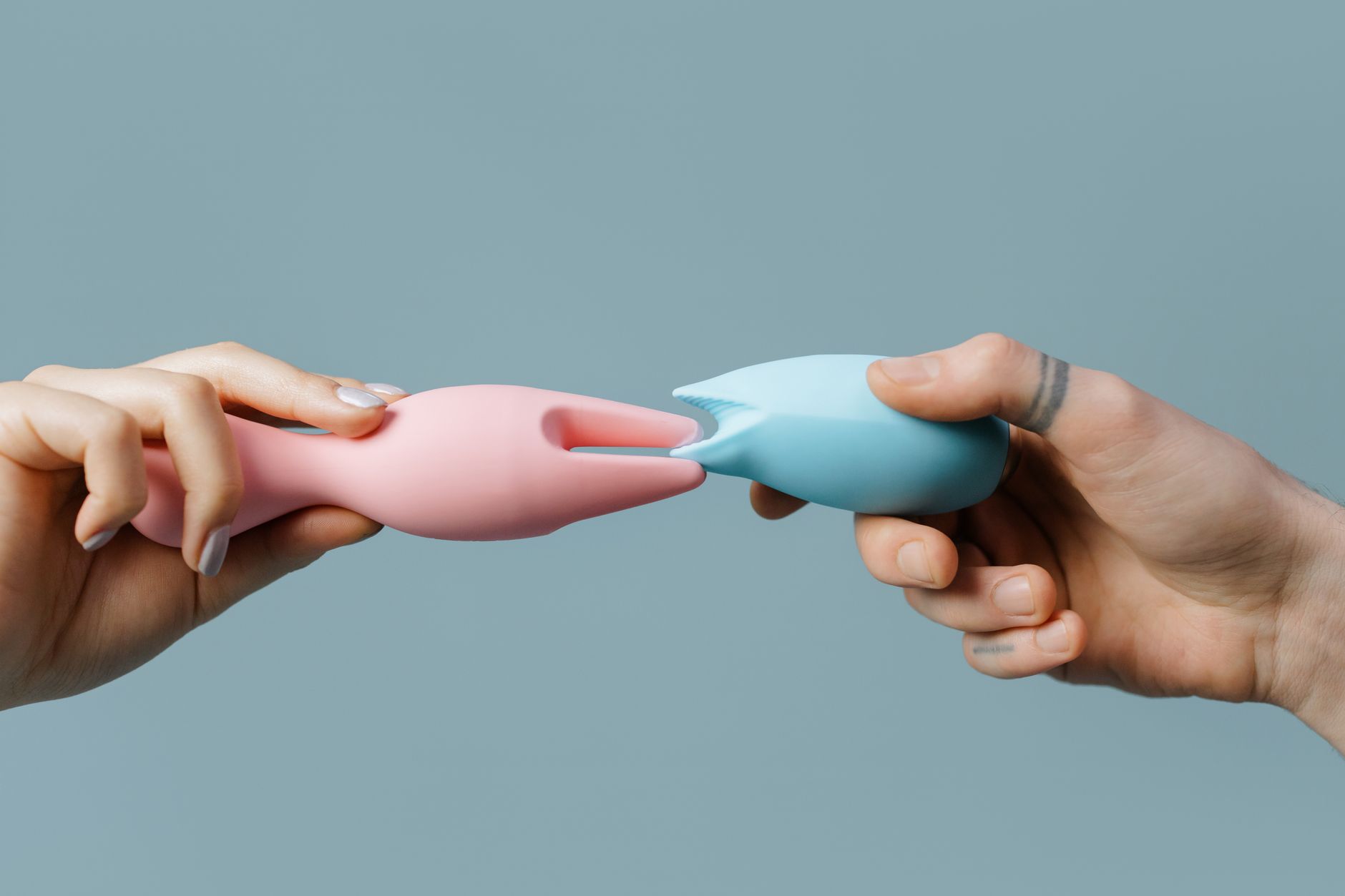
Lemon Massagers makes this part easier because <a href="/blog/how-to-use-lemon-vibrators-when-you-want-quiet-pleasure-without-waking-your-partner">clitoral vibrators are built for solo exploration</a>. The lemon clitoral vibrator, for instance, lets you experiment with sensation without the cognitive load of someone else's presence. You're not managing their arousal or watching their face. You're just discovering what your body actually wants when the pressure is off.
Spend time with this. Try different patterns. Notice what feels good at different times of day or in different emotional states. Keep a note of it. This information matters.
Bring what you learned back to your partner
Once you've reconnected with your own desire, you have something real to bring back. Not a performance. Not what you think they want. What actually gets you there.
This is the vulnerable part. You tell them: "I tried something this week. I want to try it with you." You show them what works. You ask for patience while you both figure out how to integrate this into being together.
This is also where the routine breaks. Because now you're not executing a script. You're experimenting together. You're unsure of the outcome. That uncertainty is where desire lives.
Make space for the awkwardness
It will feel weird at first. You'll both be self-conscious. After years of efficient sex, suddenly bringing actual sensation and vulnerability into the room is going to feel exposing.
That's good. That means something is actually happening.
One thing that helps: establish that this is experimental. You're not trying to fix the relationship or prove something about your commitment. You're just trying something new. If it doesn't work, you try something else. If it does, great. There's zero stakes because you're defining this as exploration, not a test.
Create novelty even within your routine
You don't need to blow up your life to rebuild desire. You need to introduce small elements of uncertainty within the structure that already exists.
If you always have sex on Saturday night, that's fine. But change where you start. Change what you're wearing. Change who initiates and what they say. One of you could create a scenario ahead of time and see how the other responds. You could set a timer and only touch above the waist for the first fifteen minutes. You could explore solo pleasure alongside your partner in the same room but with separate focus.
These small changes are friction breaks in the routine. Your brain starts paying attention again because it's not sure what's next.
The patience part nobody talks about
Desire doesn't flood back instantly. You might spend six weeks doing this work and feel like nothing's changed. Then suddenly one Tuesday you catch yourself actually thinking about your partner during the day. You want to touch them in a way that has nothing to do with scheduling sex. You feel that pull.
Don't panic and go back to routine. That pull is what you've been looking for. That's desire. It's fragile. It needs to be fed.
When you both need help
If you've tried to rebuild this alone and it's not happening, that's not a sign you've failed. Sometimes long-term routines have calcified so deeply that you need a third voice to help you both see it differently. A therapist trained in couples work, particularly someone familiar with the Gottman Method, can help you understand what's underneath the routine and why you both agreed to let desire fade. There's usually something worth understanding there.
The actual truth about long-term desire
Desire doesn't die from commitment. It dies from predictability. It comes back when you remember that you chose this person and you can keep choosing them in new ways.
Start with your own pleasure. Bring what you learn to your partner. Make space for uncertainty. And be patient with yourself. Rebuilding intimacy takes longer than destroying it. But couples who do it often tell me the sex is better than it ever was at the beginning. Because it's now built on knowledge, trust, and actual vulnerability instead of novelty and mystery alone.
Your desire is still in there. You just need to remember how to find it.
People also ask
How long does it take to rebuild desire after years of routine?
There's no fixed timeline, but most couples report noticing shifts within 4-8 weeks of consistent effort. The key is consistency, not intensity. One meaningful conversation about desire every week does more than one intense weekend. Desire rebuilds slowly because it's being rebuilt on trust and knowledge, not novelty. The fact that you're rebuilding it intentionally actually makes it more durable than desire that just happens at the beginning of a relationship.
Can desire come back if I've felt nothing for my partner for two years?
Yes, but with a caveat. If the numbness is tied to unresolved conflict, broken trust, or incompatible values, you need to address those first. Desire won't return by having better sex. But if the numbness is circumstantial (exhaustion, life stress, loss of novelty), then yes, it comes back readily. A therapist can help you figure out which one you're dealing with.
Is it normal to need a toy like a lemon clitoral vibrator to feel pleasure again?
Completely normal. Tools aren't a sign of failure. They're information. If you discover that a lemon vibrator works better for you than what you've been doing, that's valuable data about your body. It means you can now bring that knowledge to your partner and figure out how to integrate it. Many couples find that rediscovering pleasure solo with a tool makes partnered sex feel fresh again because you're not stuck in the same patterns.
My partner thinks toys mean they're not enough for me. How do I handle this?
This is almost always about their fear, not about the toy. Their fear that you'll leave, that they're not good at sex, that you don't want them anymore. The conversation isn't about the toy. It's about reassuring them while also holding your boundary about your own pleasure. Try: "I love you and I also want to explore my own body. This helps me understand myself better, and when I understand myself, I'm more present with you." Some partners hear this. Some don't. If they don't after genuine conversation, that's a relationship issue bigger than the toy.
What if we rebuild desire but it still doesn't feel like it did at the beginning?
That's actually fine. Early-relationship desire is driven by novelty and uncertainty. Long-term desire is different. It's quieter sometimes, but it can also be deeper because it's threaded through years of actual knowledge of each other. You're not chasing the same rush you felt at the beginning. You're building something different. That something different, when it's real, is often more sustaining than what came before.
How do I know if we should rebuild intimacy or break up?
If you've asked yourself this, you're already at the point where you need professional help to figure it out. A therapist isn't there to save your relationship. They're there to help you understand what you actually want and whether this relationship can give it to you. Sometimes the answer is yes. Sometimes the answer is that you love this person but you're not meant to be partners. Both are okay. Getting clarity is what matters.