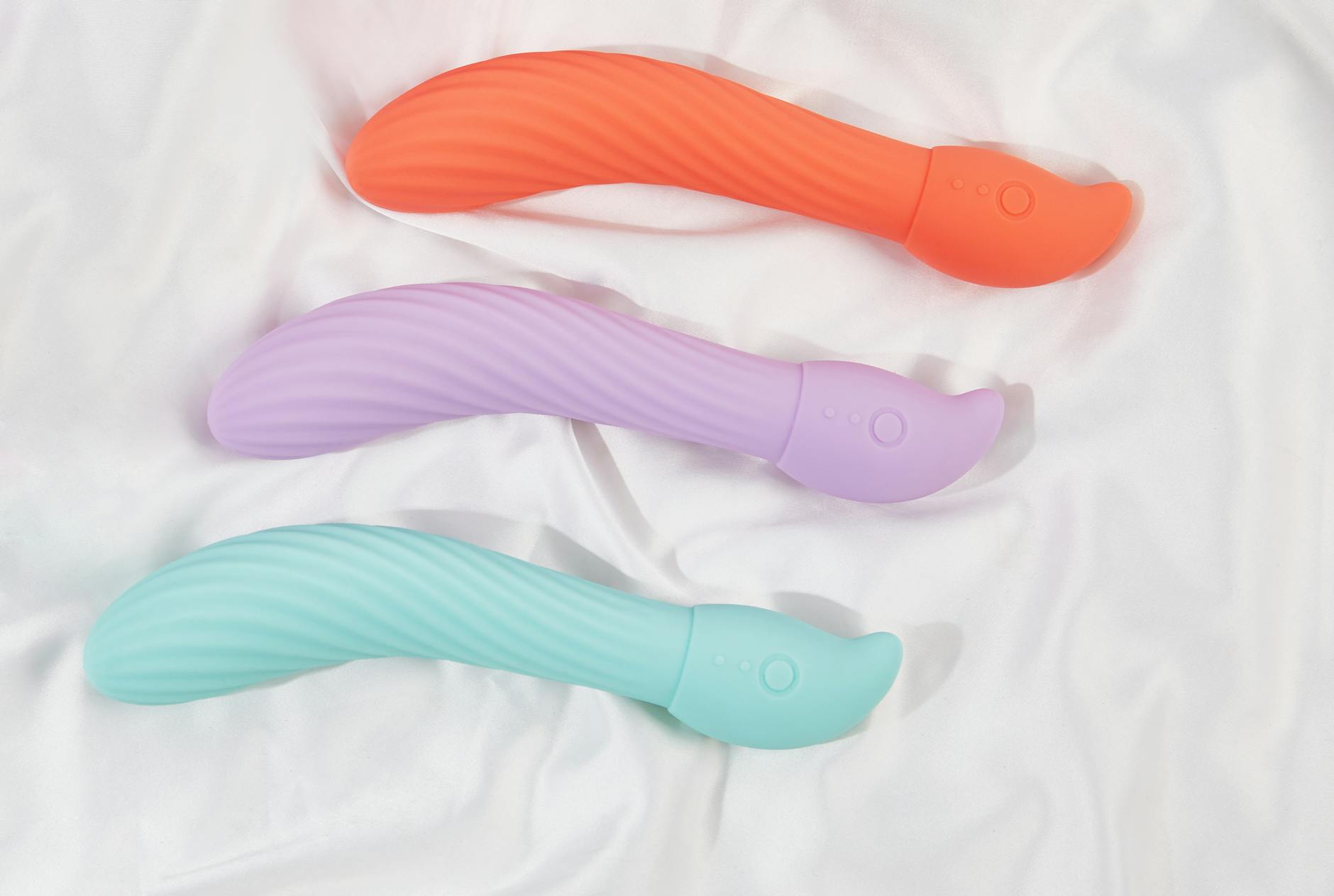
How to Use Lemon Vibrators After Pelvic Floor Surgery or Trauma
Reclaiming pleasure after pelvic floor surgery or trauma is possible. Here's exactly how to rebuild sensation safely, at your own pace, with the right tools.
· Marriage and Family Coach
·
·8 min read
Let's be real. After pelvic floor surgery, childbirth trauma, or sexual trauma, the idea of returning to pleasure feels either impossible or irresponsible. Your body has been through something. Your nervous system is still catching up. And the last thing you need is someone telling you to "just relax and try."
Here's the thing: rebuilding sensation and pleasure after pelvic floor trauma is not only possible, it's often profoundly healing. But it requires a different approach than you'd use otherwise. This is where lemon vibrators come in. Their design, intensity, and gentleness make them one of the best tools I recommend to clients rebuilding connection to their own bodies.
When trauma or surgery affects your pelvic floor, it's not just tissue that's affected. Your nervous system has learned to guard that area. It's protecting you. This is useful and necessary in the immediate aftermath, but over time, that protective tension can create a loop: the more you expect pain, the more your body contracts, the more tension you feel.
Clitoral stimulation, done gently and gradually, can help reset that nervous system response. The key is starting so slowly that there's zero pressure or expectation.
Most vibrators rely on intensity or percussion to create sensation. Lemon vibrators, and clitoral vibrators like the Lem by Hello Nancy, use suction and gentle pulse patterns instead. Here's why that matters for recovery:
They don't require direct friction. After pelvic floor surgery or trauma, even light friction can feel too intense or triggering. Suction-based stimulation creates sensation without that mechanical pressure. It's a completely different signal to your body.
The intensity is adjustable from barely-there to strong. You start at the lowest setting and only move up if it feels right. There's no performance pressure. Nobody expects you to graduate to anything stronger.
They create a different kind of stimulation. Lemon vibrators stimulate through suction and gentle pulsing, which activates nerve pathways differently than vibration alone. Many clients report that this gentler approach feels less invasive.
I'm going to be honest about this because it matters. Returning to pleasure after trauma or surgery isn't a linear path. Most of my clients find that the first few attempts feel uncomfortable or produce no sensation at all. This is completely normal.
Weeks one through four: Your job is exploration with zero expectation. This might mean just holding the lemon vibrator, getting used to its weight and shape. Or applying it to the outer labia without turning it on. Or turning it on at the lowest setting for five seconds. That's it. The goal is building positive association, not reaching an outcome.
Weeks four through eight: You're expanding incrementally. Maybe now you're using it for 30 seconds instead of five. Or you're trying setting two instead of setting one. Again, the operative word is "maybe." Your nervous system gets to decide the pace.
Weeks eight and beyond: Some clients find they can increase duration or intensity. Others stay at their current level indefinitely, and that's perfectly fine. Pleasure isn't a destination with a completion date.
Environment matters more than you might think. You're essentially retraining your nervous system, and your nervous system responds to safety cues.
Choose a time and place where you feel genuinely safe and unhurried. Not rushed. Not where you're listening for someone to come home. The pressure of having to finish or perform is the exact opposite of what you need.
Have lubricant on hand. Water-based is fine. This isn't about needing it physically. It's about removing any friction that might trigger protective tension.
Start clothed. Seriously. You might apply the Lem or another lemon vibrator over underwear or through clothing. Your nervous system doesn't know the difference yet, and the barrier can feel safer. You can graduate to skin contact whenever you're ready.
Keep the first session short. Two to five minutes, including the time you spend just holding and looking at the device. Your brain is processing a lot. Shorter is better.
Absolutely nothing. You might turn on a lemon vibrator and feel no sensation at all. This doesn't mean the device is broken or that you're broken. Sensory recovery after trauma is variable. Sensation might come back in patches or gradually over weeks.
Weirdness or numbness. Some clients describe the first few sessions as feeling numb or disconnected. This is your nervous system being cautious. Keep going, gently, and sensation often returns as your system learns the stimulus is safe.
Unexpected emotion. You might feel sadness or anger, especially the first few times. This is your nervous system releasing. It's not a sign to stop. It's a sign to pause, breathe, and maybe try again another day.
Actual pleasure. Some clients feel this immediately. Some take weeks. Both are totally normal.
If you're in a partnered relationship, this is worth discussing, but carefully. The focus needs to stay on your nervous system and your pace, not on giving your partner access or reassurance.
A useful conversation might be: "I'm working on rebuilding sensation after surgery. I need this to be solo and completely pressure-free. I'm not ready to involve you yet, and I might not be for a while. This isn't about you. It's about me learning what feels safe again."
If your partner struggles with this boundary, that's information too. And it might be worth processing with a therapist who specializes in sex and trauma.
Pain that's sharp or shooting: Stop. This is different from discomfort or vulnerability. Sharp pain is your nervous system saying no. Tell your surgeon or pelvic floor physical therapist.
No sensation after eight weeks of gentle attempts: Bring this up with your care team. Sometimes desensitization is part of the healing process, but sometimes there's an underlying issue that needs attention, like nerve damage or tight pelvic floor muscles that need release.
Flashbacks or dissociation during use: This is a sign you need to work with a trauma-informed therapist before continuing. Your nervous system is protecting you. Respect that.
Steady progress, even if it's slow: This is exactly what you want to see. You're healing.
Pelvic floor trauma and surgery can feel isolating. You might feel like your body has been stolen from you, or that pleasure is something that happened to someone else. That's a real grief. And it's worth grieving.
But you're not starting from zero. Your capacity for sensation is still there. Your nervous system just needs convincing that it's safe. With time, patience, and the right gentle tools like lemon vibrators, most people find their way back to pleasure. It won't be the same as before. But it might be deeper, more intentional, and ultimately more yours.
Yes, but check with your pelvic floor physical therapist first. They'll know exactly where you are in healing. Most recommend waiting until you're cleared for penetration or most activities, which is usually four to eight weeks post-surgery depending on the type. Your PT might even recommend it as part of your sensitivity retraining.
That's completely valid, and you don't need to explain or justify it. Your nervous system needs to build positive associations on your own timeline first. You can revisit partner involvement later if you want to. Many people find that solo use for several weeks or months helps them reclaim their own pleasure first, which actually makes partnered exploration feel safer later.
Normal recovery includes some sensitivity, mild discomfort with pressure, and gradual return of sensation. Pelvic floor dysfunction includes persistent pain, involuntary muscle tension that doesn't ease with rest, or sharp pain during any type of stimulation. If you're experiencing any of those, ask your doctor for a pelvic floor physical therapy referral. These specialists are trained in exactly this issue.
Completely normal. Sensory recovery isn't linear. You might feel nothing for four weeks and then suddenly feel sensation. Or you might feel it return in patches. The Lem and other lemon vibrators work particularly well because you can start at such a low intensity that even nervous systems that are heavily protected can begin to register sensation over time.
Trauma lives in the body. Pelvic floor tension from old sexual trauma can absolutely persist for years, even if you've done emotional processing. Combining pelvic floor physical therapy with a trauma-informed therapist is really powerful. Adding gentle sensation work with a lemon vibrator is often part of that healing. You're not starting over. You're finally addressing something that's been waiting.
Yes, but again with your doctor's or PT's approval. Vaginismus is involuntary pelvic floor tension, often rooted in anticipation of pain or trauma. Gentle, pressure-free external clitoral stimulation is often recommended as part of vaginismus recovery because it separates sensation from penetration pressure. Using a lemon vibrator on the lowest setting, externally only, can be a helpful part of that retraining.
Your body isn't broken. Recovery takes time. And you deserve to feel good again.