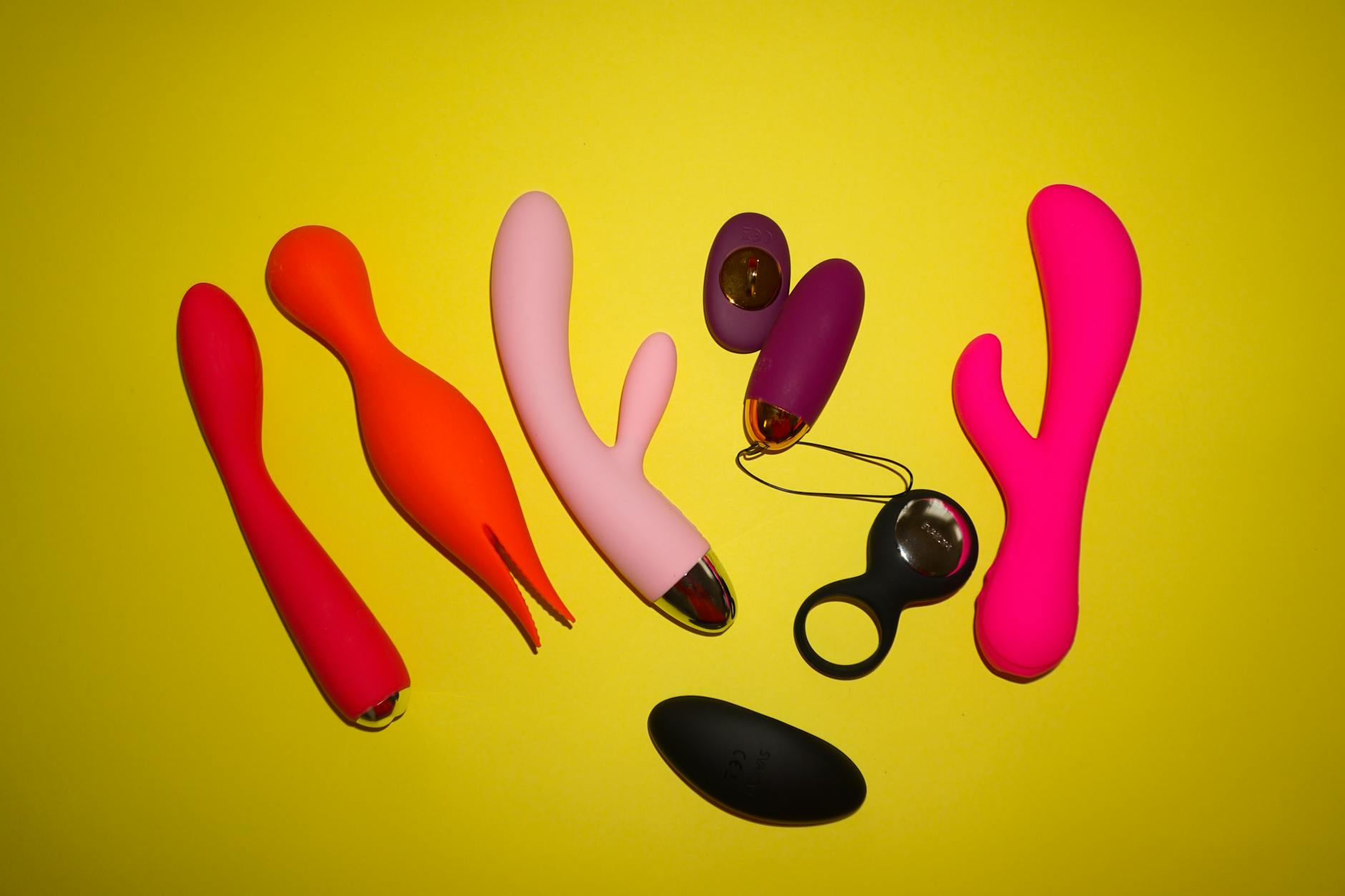
How to Use Lemon Vibrators for Maximum Sensitivity and Pleasure
The secret isn't the vibrator. It's knowing which settings actually work for your body, how to build sensation over time, and when to pause. Here's what most people get wrong.
People buy lemon vibrators and immediately go to the highest setting. Then they wonder why it feels numb, painful, or nothing at all. The issue is never the toy. It's that most of us have been trained to think pleasure is about intensity, not sensitivity.
I work with couples navigating intimacy across every life stage, and I see the same pattern over and over. Someone invests in a quality clitoral vibrator and then uses it wrong because the instruction manual tells them how to turn it on, not how to actually feel it.
Lemon clitoral vibrators use air-suction technology rather than traditional vibration. That means the sensation travels differently through your tissue. Instead of direct pressure that can numb nerve endings, the suction creates a gentle pulling effect that engages deeper sensory pathways.
This matters because your clitoris has roughly 8,000 nerve endings clustered in a small area. Traditional vibration can overwhelm that density quickly. Suction distributes sensation more evenly, which is why lemon adult toys tend to produce longer, more intense orgasms for many people.
But the device only works if you're using it with the right approach. That's what we're covering.
Your first session with a lemon vibrator should feel boring. I mean that seriously.
Most lemon sexual toys come with five to ten intensity levels. Start at level one or two. You might feel almost nothing. That's correct. What you're doing is waking up nerve endings that may have been under-stimulated for months or years. Sensitivity builds over time, sometimes across multiple sessions.
Spend at least five minutes at the lowest setting. Notice what you're actually feeling, not what you think you should feel. Is it a gentle pulsing? A slight suction? A tingling deeper inside? The goal is awareness, not arousal yet.
Before you even touch a lemon vibrator, spend ten to fifteen minutes on sensation without any device. This could be manual stimulation, arousal from partnered touch, or mental focus on what you're craving that day. You're not trying to get close to orgasm. You're establishing a baseline of blood flow and neural engagement.
This matters because nerve sensitivity changes based on your arousal state. When blood flow increases, tissue swells slightly, and the same vibration settings will feel different than they did five minutes earlier. Starting with that foundation means you're working with your body, not against it.
Your clitoris has zones. The glans (the tip) is the most sensitive and most easily numbed by over-stimulation. The shaft and base respond differently. The labia minora and the entrance also have distinct sensations.
Instead of putting your lemon vibrator on the glans and holding it there, try this: start at the base of the clitoris or on the surrounding tissue. Let the suction sensation spread upward. Then move the device slightly to the left, then right. You're mapping which areas produce the strongest response.
Many people find that the sides of the clitoris, rather than the direct center, produce more intense sensation with less numbness. Once you find your responsive zone, stay there for two to three minutes before moving.
Here's where most guides get it wrong. They suggest increasing intensity as arousal builds, as if pleasure is a linear climb to the top.
Reality: you might find your strongest sensation at level three, then move back to level two to maintain that feeling, then jump to level five for a different sensation entirely. There is no "right" progression.
I often recommend this pattern with clients: establish your base level (usually two to four), stay there for five to seven minutes, then shift to a different level for novelty. Sometimes that's higher. Sometimes it's lower or a different pattern altogether. Your pleasure doesn't have to follow a script.
This is the technique that produces the most dramatic results and the one almost no one knows about.
When you feel sensation building toward something interesting, pause the device entirely for thirty seconds to two minutes. Just hold it there without suction. Your nervous system recalibrates. Blood flow intensifies. Nerve sensitivity resets.
Then resume at the same level you were using. The sensation will feel fresh and often dramatically stronger. You can repeat this pause cycle three to five times in a single session. Each time, you're essentially recalibrating your sensitivity ceiling.
This is why patience produces better results than speed. The orgasms that come after pausing tend to be longer and more intense because you've reset your arousal threshold multiple times.
If you're using a lemon vibrator with a partner present, the dynamic shifts. Some people find external pressure (someone touching nearby, watching, or guiding the toy) deeply arousing. Others find it distracting or feel self-conscious about their response.
There's no right answer, but there is clarity to be found. Before your first session with a partner, talk about what you're curious about. Are they participating actively or witnessing? Will there be verbal check-ins or silence? Does their attention help or hinder your focus?
For couples, the lemon vibrator often becomes a tool for learning each other's bodies more precisely. Instead of guessing what feels good, you're receiving direct feedback. That data is valuable for future intimacy, with or without the device.
Sensitivity isn't consistent. If you menstruate, clitoral sensitivity changes across your cycle. Right before menstruation, many people find that even low settings feel too intense. Mid-cycle, the same settings feel gentle. This is physiological, not a sign that you're "doing it wrong."
Keep a simple note: which days of your cycle feel best with a lemon vibrator, and which settings work best on those days. Over three to four cycles, a pattern will emerge. You can then plan sessions when your body is most responsive rather than fighting against your own biology.
If twenty minutes pass and you're not feeling much of anything, stop. You haven't failed. Your nervous system might just be tired, or your arousal state might not be right for today. Stopping prevents the frustration that kills future desire.
I recommend spacing sessions at least forty-eight hours apart when you're still learning your device. That gives your nerve endings time to reset. Once you understand your own response, you can adjust frequency based on what feels sustainable.
Not in the permanent sense, but temporary desensitization is real. If you use high settings daily, the nerve endings can become less responsive over days or weeks. The fix is simple: drop back to lower settings, take a break for a few days, or focus on pausing techniques rather than sustained suction. Most people regain full sensitivity within three to five days of adjusted use.
Pain is the clearest signal. Mild discomfort can mean you're on too high a setting or the device isn't positioned correctly. Numbness suggests you've been using one intensity level for too long. Frustration combined with no response after thirty minutes means your body might need a different approach that day. None of these mean the device is wrong for you.
Not necessary for the suction to work, but many people enjoy a bit of water-based lube for comfort or to help the device glide between different areas more smoothly. If you're using a silicone lemon vibrator, avoid silicone-based lubricants. Water-based is the safest choice.
Solo use lets you focus entirely on sensation and response without any other variables. With a partner, you're also navigating attention, vulnerability, and communication. Both are valuable. Solo exploration often teaches you faster what actually works for your body, which makes partnered use more satisfying because you know what to ask for.
Three to five sessions, usually. By your fifth time, you'll have a solid sense of which intensity levels and techniques work. That doesn't mean you're done exploring. It means you have a baseline from which to experiment further.
Needing isn't the right frame. Many people find that clitoral vibrators help them reach orgasm more reliably or discover sensations they weren't accessing before. That's a feature, not a flaw. Some of my clients use them every session. Others use them occasionally. Both are normal. What matters is what feels good to you and what serves your pleasure.
Lemon clitoral vibrators work best when you stop thinking of them as intensity machines and start treating them as sensitivity tools. The lowest settings often feel better than the highest. Pausing produces stronger sensations than continuous stimulation. And patience creates pleasure that speed never reaches.
Your body knows what it needs. The device is just helping you listen more clearly. If you're curious about getting the most from Hello Nancy's lemon adult toys, we have a buying guide that walks you through choosing the right tool for your body. And if you want to explore further, reach out anytime.
Your pleasure matters. It's worth learning how to access it fully.