How to Use Lemon Vibrators When Arousal Takes Longer to Build
Slower doesn't mean broken. Here's what changes your arousal speed, why it's actually normal, and how the right tools help you get back into pleasure without forcing it.
You used to get there fast. Five minutes, maybe ten. Now it's twenty, thirty, sometimes longer. You start wondering if something's wrong with you. It's not.
Arousal is not a binary thing that switches on. It's a chain reaction in your nervous system, and dozens of things change that timing as you age, manage stress, shift relationships, or move through hormonal cycles. The good news: understanding what's actually happening makes it easier to work with your body instead of against it.
Honestly though, some of it is. But that's not the insult it sounds like.
Your brain controls arousal. When you're stressed, anxious, or distracted, your parasympathetic nervous system (the one that lets you relax and respond) gets crowded out by your sympathetic nervous system (the one that keeps you alert). You literally cannot access pleasure when your body thinks there's a threat nearby. It's not a character flaw. It's evolution.
But there's also the physical side. As estrogen fluctuates or drops with age, blood flow to the vulva can take longer to build. The tissues become less engorged quickly. Nerve sensitivity shifts. It's not that you've lost the ability to get aroused. It's that the pace changed.
Chronic stress keeps cortisol elevated. High cortisol shuts down sex hormones and numbs your ability to feel pleasure signals from your body. You can feel present and willing, but your nervous system isn't cooperating. This is wildly common in your 40s when work, family, and life logistics are at their peak.
Estrogen and testosterone both influence arousal speed. As either drops, arousal becomes more of a slow build than a quick spike. It doesn't disappear. It just needs more time and often more direct stimulation.
After years with the same partner, your body stops responding to familiar touch the way it used to. This isn't boredom or loss of attraction. It's habituation. Your nervous system literally stops registering the signal as novel or exciting. You might need more variety, more intensity, or a different entry point into arousal.
Hormonal birth control, antidepressants, blood pressure meds, and antihistamines all affect arousal speed. If you started something new and noticed this shift, that's almost certainly the reason.
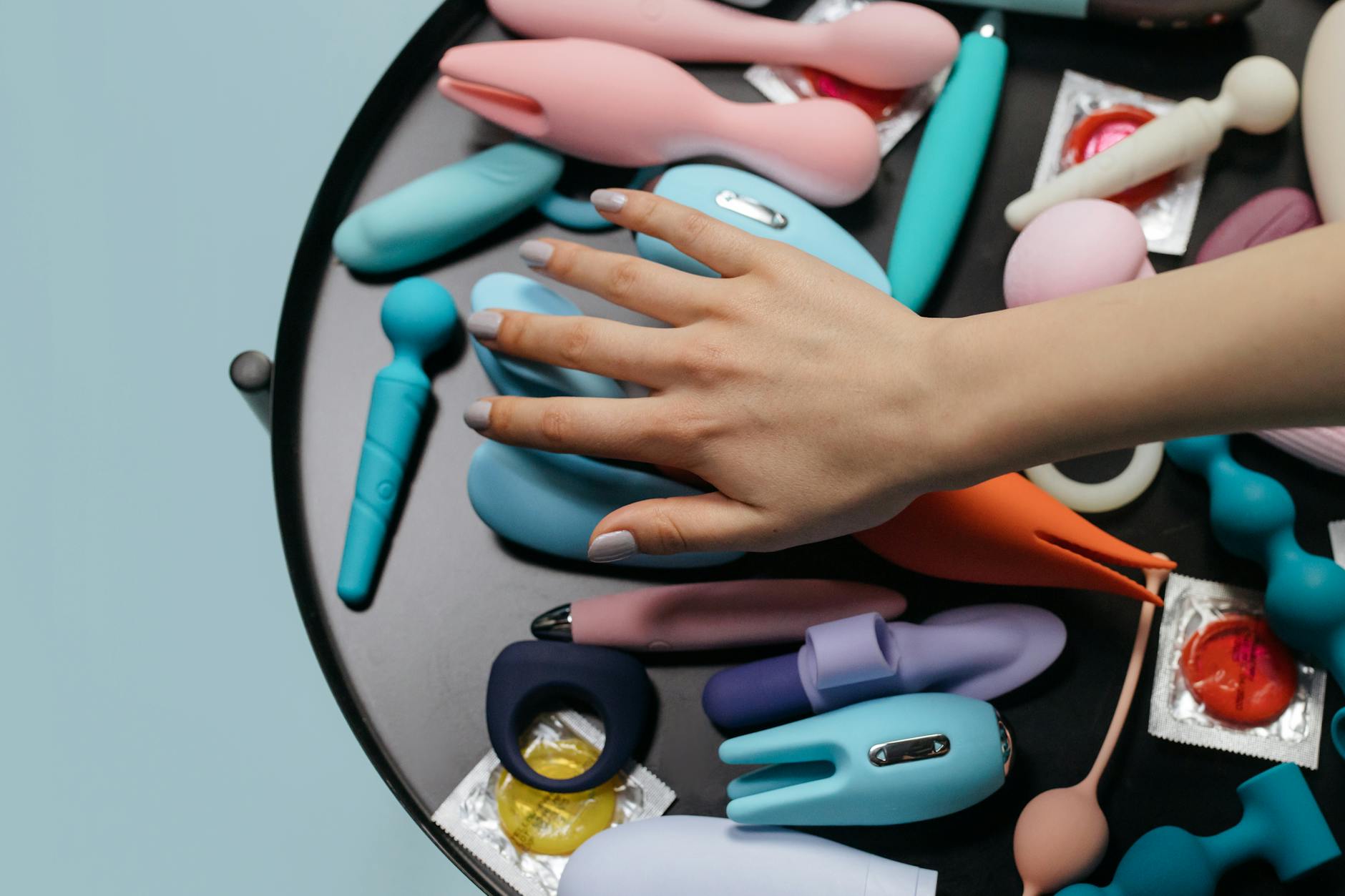
Here's where clitoral vibrators like Lemon Massagers' products become genuinely useful, not as a workaround for broken bodies, but as a tool that matches how your body works now.
Traditional vibrators rely on friction and speed. For slow arousal, that's less efficient. Suction toys like the Lemon clitoral vibrator engage nerves differently. They create a gentle pressure that builds sensation without requiring the rapid friction your body might not be ready for yet.
Start on the lowest setting (pattern 1 or 2 on a Lemon vibrator). The suction creates consistent stimulation that your body can track and respond to gradually. No jarring intensity. Just steady escalation.
If arousal used to happen in five minutes and now takes thirty, don't fight it. Budget the time. Extend foreplay. Let your partner know that you need a longer runway. This isn't a problem to solve. It's a rhythm to honor.
Start with sensation that feels mild, almost boring. Touch your own body first (hands, not a toy). Notice what wakes things up. Some people respond faster to inner arm touch, neck, breasts, or thighs before clitoral stimulation even begins. Give yourself permission to take the scenic route.
Water-based lube isn't just for comfort. It reduces friction resistance and makes external stimulation feel more responsive. Many people find that slowing down arousal is actually less about your body and more about friction overwhelming your nervous system before pleasure can register.
Apply lube generously, especially if you're using a clitoral vibrator. The Lemon vibrator's suction works best with a little slip. Let the toy glide rather than grip.
Slow arousal often responds better to multi-sensory input. Use a vibrator on your vulva while your partner touches your breasts. Play music. Light candles. Temperature shifts matter too. Your nervous system responds to novelty. Give it several channels to notice pleasure rather than waiting for one sensation to be enough.
If you're with a partner, this is where communication becomes critical.
Most partners internalize slower arousal as rejection. "She doesn't want me as much anymore." That narrative kills intimacy faster than the actual arousal lag. Have the conversation explicitly: "My arousal timeline changed. It's not about you. Here's what helps."
Then show them. If a Lemon clitoral vibrator helps you build arousal faster, use it together. Let your partner hold it. Let them see that you're getting there, just differently. Many partners find this actually deepens connection because they're not second-guessing whether you're interested.
Some partnerships find that one partner uses a toy while the other uses their hands or body in a different way. No competition. Just parallel pleasure building.
Sometimes slow arousal isn't physiological. It's a flag that something emotional needs attention.
If you've noticed a sharp drop in arousal speed over weeks or months, paired with low desire overall, that's different. That might signal depression, anxiety, relationship tension, or unprocessed trauma. Toys help with the mechanics, but they won't fix the underlying issue.
That's when talking to a therapist or your doctor makes sense. Not because you're broken, but because slow arousal can be your body's way of telling you something needs care. Listen to it.
There's no "normal." But if you used to need five minutes and now need twenty to thirty, and that shift happened over months or years, that's in the expected range for aging, stress, or hormonal changes. If you went from quick arousal to essentially no arousal within weeks, that's worth discussing with a doctor.
No. Using a vibrator doesn't change your body's capacity for arousal without one. What it does is give you a tool that works efficiently with your current arousal pattern. Think of it like glasses for slow reading. The glasses don't weaken your eyes. They help you see more clearly. The same applies to external stimulation.
Your partner can absolutely help. Extended foreplay, mental presence, and varied touch all support faster arousal building. But here's the honest part: if the shift is hormonal or stress-related, a partner's touch alone might not be enough. A vibrator like a Lemon clitoral vibrator adds intensity and consistency that hands sometimes can't deliver. You don't need to choose. Both together often works best.
Not necessarily. Slow arousal and low desire are different things. You can have slow arousal and still want sex and enjoy it once you get there. But if arousal is slow AND you don't want sex to begin with, that combination does suggest something worth exploring with a professional.
Natural slow arousal builds steadily over time with consistent stimulation. Anxiety-blocked arousal feels stuck. You might feel willing mentally, but your body won't respond no matter what. If it's anxiety, addressing the root (therapy, medication, lifestyle changes) works better than any toy. If it's naturally slow, the right tools help tremendously.
If you started a new medication and noticed the change within weeks, that's your answer. Talk to the doctor who prescribed it. Sometimes switching timing (taking it at night instead of morning), adjusting dose, or trying a different class of drug helps. Don't stop medication on your own, but don't suffer silently either.
Slower arousal isn't a punishment for aging. It's not a sign that pleasure is leaving your life. It's your body asking you to work with its rhythm instead of against it. That might mean budgeting more time, using tools that match your current physiology, or having harder conversations with partners about what you need.
Lemon vibrators and other clitoral vibrators are genuinely useful here because suction-based stimulation builds arousal in a way that complements slow-burn physiology. You're not forcing your body to work faster. You're giving it support to build sensation the way it actually works now.
Your pleasure matters. The pace it takes to get there matters less than the fact that you're getting there at all.