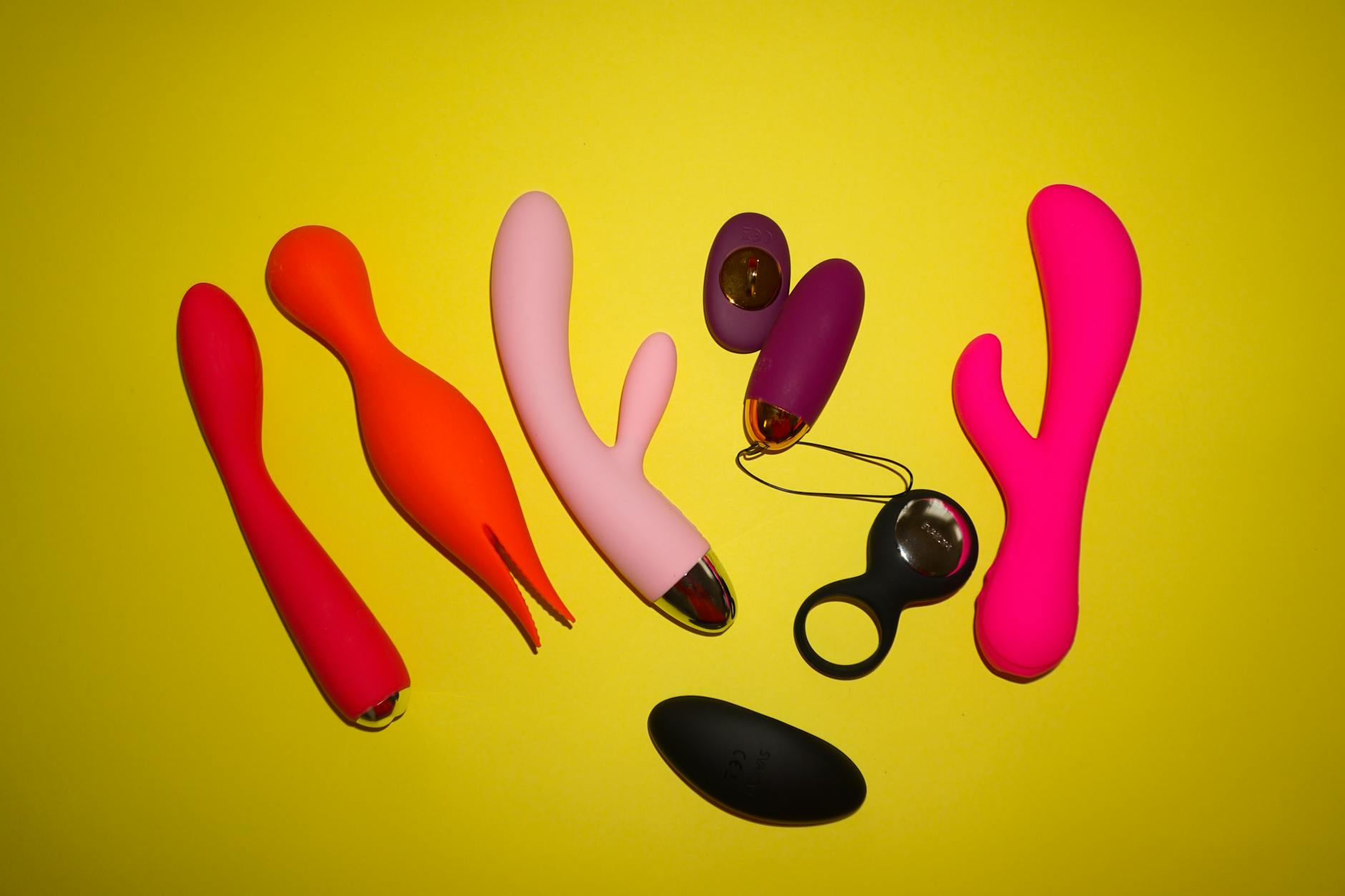
How to Use Lemon Vibrators When Clitoral Sensation Changes With Age
Your body's pleasure map shifts over time. Here's what's actually happening, why lemon vibrators work differently now, and how to use them so sensation stays sharp.
Your clitoris doesn't age the way you've probably been taught to expect. It doesn't shrink, it doesn't dry up, and it doesn't stop working. What does change is sensitivity, blood flow response, and the neural pathways that tell your brain something pleasurable is happening. These shifts are real, measurable, and completely navigable once you understand what's going on.
Here's the thing nobody explains clearly. The changes aren't linear. Some people report their most intense orgasms in their 50s or 60s. Others notice sensation feels duller starting at 35. The variation has less to do with age itself and more to do with hormones, blood vessel health, medication, stress, and whether you've been using the same type of stimulation for decades.
Three physiological shifts happen as you age, and they're worth understanding because they directly affect how lemon vibrators and suction work for you.
Collagen loss and tissue remodeling. Your clitoris has a glans (the visible external part) and a body (the internal structure). Both contain specialized nerve endings optimized for specific types of sensation. Over time, collagen thins. The skin becomes less elastic. This doesn't mean sensation disappears. It means the architecture changes, which can make some types of stimulation feel too intense and others feel like they're not getting through at all.
Vascular responsiveness slows. Blood flow is what creates engorgement, which in turn creates that feeling of pressure and fullness during arousal. When blood vessels respond more slowly to arousal signals, the buildup takes longer. This is why people often report needing more warm-up time but not needing a different type of toy.
Estrogen fluctuation affects nerve sensitivity. Whether you're perimenopausal, menopausal, or post-menopausal, estrogen changes how sensitive your nerve endings are. Low estrogen can make direct friction uncomfortable, while the same low estrogen often makes suction stimulation feel better. This is why clitoral vibrators designed with suction in mind, like the lemon clitoral vibrator, often work particularly well during hormonal shifts.
A lemon vibrator uses suction and gentle pulsing instead of pure vibration. Here's why that matters when sensation changes.
Traditional vibrators create stimulation through friction and oscillation. If your tissue is thinner or your nerve endings are responding more slowly, you need either more intense friction (which can hurt) or a longer warm-up (which gets tedious). Suction bypasses that problem. It stimulates the clitoris by drawing the tissue into a chamber, which activates different nerve pathways than direct vibration does.
When you use a lemon sucker style toy like the Lem vibrator, the sensation is deeper and more diffuse. It doesn't rely on the clitoris being engorged or the tissue being perfectly responsive right away. You can start at a low suction setting and build slowly, and the stimulation feels present and effective from the beginning.
Many of my clients report that in their 40s and 50s, a clitoral vibrator using suction finally made pleasure accessible again after years of struggling with traditional vibrators feeling either too much or not enough.
Here's a pattern I see constantly. Someone used one style of vibrator for 15 years. Sensation dulled. They assume their body broke. They don't realize they've essentially trained their nerve endings to respond only to that specific stimulus pattern.
This is called desensitization, and it's reversible. Switching to a completely different type of stimulation, particularly lemon vibrators with suction, can reset your sensitivity in as little as four to six weeks.
The protocol is simple. Use the new lemon adult toy exclusively during that reset period. Start at the lowest settings. Spend 15 to 20 minutes per session letting your nervous system learn this new sensation. Don't rush toward orgasm. The goal is sensation novelty, not performance. After a month, you'll likely notice that both the new toy and any vibrators you return to feel more intense and more present.
These four tweaks make a huge difference when you're dealing with age-related sensitivity changes.
Start slower than you think you should. If the Lem vibrator has eight suction levels, begin at level two, not level five. Your nervous system needs time to recognize what it's experiencing. What feels subtle at first often becomes intensely pleasurable within minutes once your body registers the sensation.
Build pressure gradually. Unlike vibrators where you press down, with lemon suction toys you're positioning the device and letting the seal do the work. Position it gently and let suction build for ten to fifteen seconds before increasing intensity. Rushing the pressure creates discomfort instead of pleasure.
Use lube even if you don't think you need it. Lubrication helps the seal on suction toys work better and makes the sensation feel smoother. It's not about dryness. It's about optimizing the seal and reducing any drag or friction.
Warm up your clitoris before using the toy. Manual stimulation for two to three minutes before picking up a lemon vibrator gives your blood vessels time to respond. By the time suction starts, you're already partially engorged, which means sensation registers faster and feels better.
Some medications genuinely reduce clitoral sensitivity. Certain blood pressure meds, some antidepressants, and even antihistamines can dull sensation by affecting blood flow or nerve function. If this is happening, talk to your doctor about timing. Some medications work just as well if you take them at a different time of day, which can preserve sensation during your window of intimacy.
If you're on hormone therapy of any kind, estrogen-based therapy and low-dose testosterone can both shift how your clitoris responds. How to use lemon vibrators with estrogen-based hormone therapy covers this in detail, but the short version is that suction toys often work better during hormonal transitions because they don't require the same level of engorgement and tissue responsiveness that traditional vibrators need.
This is the part I emphasize to every client over 40. Sensation changes physically. Permission changes psychologically. And permission is often the bigger variable.
At 25, you might feel guilty exploring pleasure because cultural messaging tells you sex should be spontaneous and effortless. At 45, if you can get past the grief of sensation feeling different, you often stop caring about looking a certain way or finishing by a certain timeline. You start thinking about what actually feels good to you instead of what you think you're supposed to want.
Many people find their most powerful orgasms happen after 50, not because their clitoris got better, but because their mind stopped fighting the process. Patience stops feeling like deprivation and starts feeling like intention.
Lemon vibrators, with their different sensation profile, often become the physical tool that matches this psychological shift. They slow you down. They require attention. They reward curiosity instead of force.
It's both. Structural changes happen. Collagen decreases, blood vessel responsiveness slows, and hormone fluctuations affect nerve endings. But sensation completely disappearing is myth. What usually happens is sensation shifting. Direct vibration might feel too intense, while suction feels perfect. Or the warm-up takes longer but the orgasm feels deeper. Most of the distress comes from expecting your clitoris to work exactly the same way it did at 25, not from actual sensation loss.
Yes, within reason. Your nervous system responds to novelty. If you've used a specific vibrator pattern for 15 years, your clitoris has learned to respond to that exact stimulus. Switching to something completely different, like suction with a lemon clitoral vibrator, activates different nerve pathways. Most people notice a sensitivity reset within two to six weeks of exclusive use. Then older toys often feel more effective too, because your overall sensitivity is higher.
Completely normal. Suction is a different sensation than vibration. If you've never used a lemon sucker toy before, start at the lowest setting and give yourself three to five sessions to acclimate. Your brain is learning something new. That initial weirdness is not a sign it won't work. It's usually a sign your nervous system is waking up to a sensation it hasn't encountered before.
There's no universal answer, but suction toys work better for a lot of people as sensation changes. They require less direct pressure, they stimulate different nerve endings, and they don't depend on tissue being perfectly engorged to feel effective. That said, some people do best with a combination. Start with a lemon sexual toy and keep your favorite traditional vibrator in rotation. Different tools for different needs.
Try a different type. Water-based lubes can feel thin. Silicone-based lubes (safe with silicone toys) feel richer and usually improve suction toy sensation by enhancing the seal. Some people do best with a small amount of lube, not a lot. Experiment with less, not none. The seal on suction toys works better with some lubrication, even if it's just enough to create a smooth glide.
Sometimes. If sensation changes are sudden, painful, or accompanied by other symptoms like burning or unusual discharge, see a doctor. Hormonal imbalances, thyroid issues, and pelvic floor dysfunction all affect sensation. Usually though, gradual sensitivity shifts as you age are normal physiology. What matters is whether pleasure is still accessible. If it is, you're fine. If pleasure is completely gone, that's worth discussing with a healthcare provider who takes sexual function seriously.
Clitoral sensation changes over time. This is normal. It's not a loss. It's a shift. And shifts create opportunity. Your body is telling you that what worked before might not work now, which means you get to explore something new. That exploration, that curiosity, that willingness to learn your body again at 45 or 55 or 65. That's where the real pleasure lives.
Lemon vibrators exist partly because someone realized that aging bodies need different tools. Not better tools. Different tools. Tools that work with how your body actually responds right now, not how it responded twenty years ago.
If sensation feels duller than it used to, start with a lemon clitoral vibrator at the lowest suction setting. Give it four weeks of exclusive use. Pay attention to what's changing. Slow down. Notice. Your clitoris isn't broken. It's evolving. And with the right approach, pleasure stays sharp for as long as you want it.