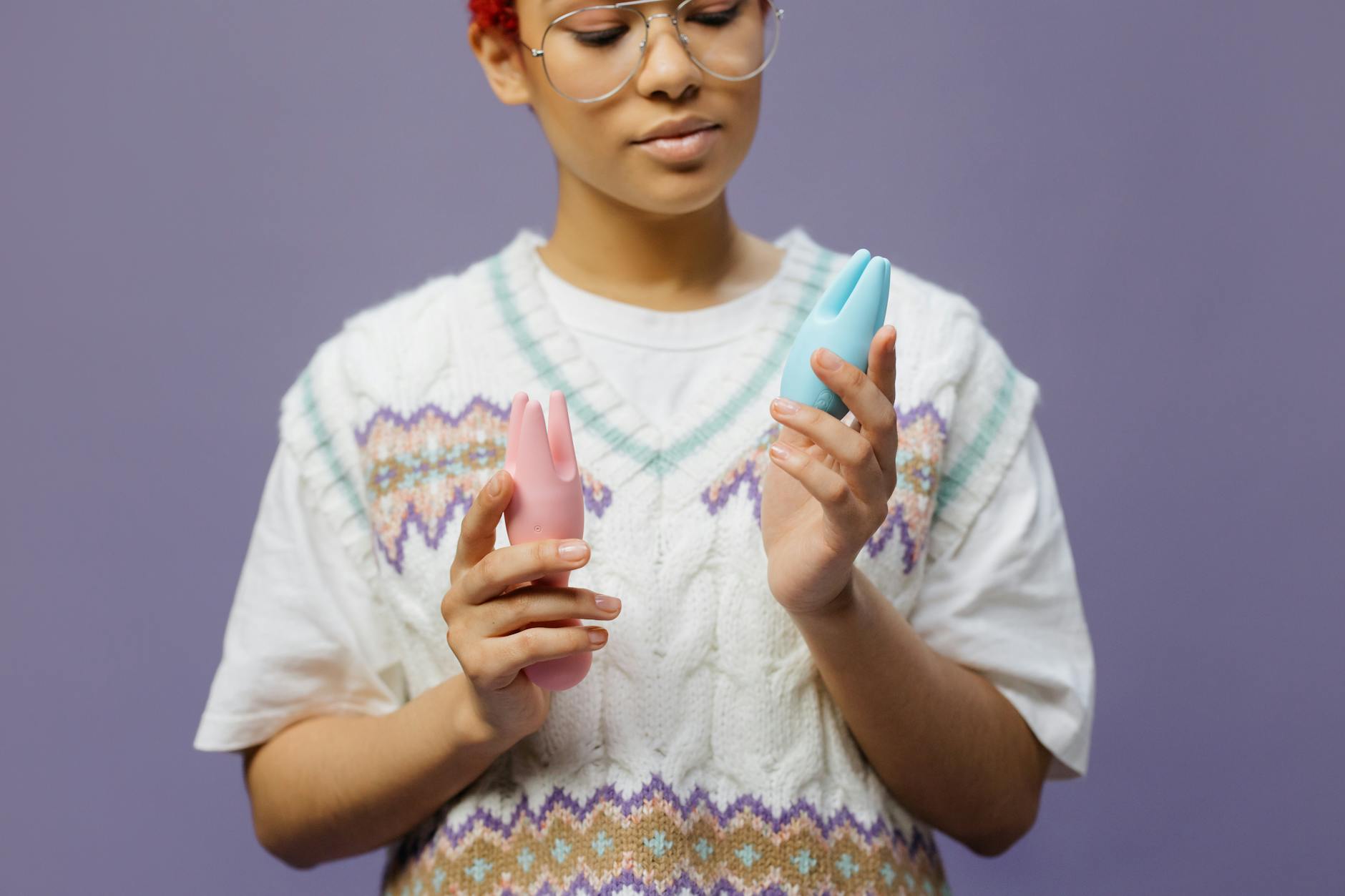
How to Use Lemon Vibrators When Estrogen Levels Shift With Age
Your body changes. Your capacity for pleasure doesn't. Here's what actually happens when estrogen drops, why sensation feels different, and how to adapt.
Let's be real. Estrogen does more than you probably think. It's not just about periods or fertility. It affects tissue thickness, blood flow, lubrication, nerve sensitivity, arousal speed, and how intense your orgasms feel. When estrogen levels drop, everything changes. And I mean everything.
The catch? Change isn't the same as loss. Most conversations about estrogen and pleasure swing between two unhelpful extremes: "You're broken now" or "Nothing changes, don't worry." Both are lies dressed up as comfort.
What actually happens is more interesting. Your body adapts. And the right tools, like lemon clitoral vibrators, adapt with you.
Estrogen primes your nervous system for pleasure. When levels are high and stable, arousal can build quickly. Blood flows easily to genital tissue. Lubrication arrives fast. Your body says yes before your brain finishes the thought.
When estrogen drops, that speed slows. You might need 15 minutes to reach what used to take 5. Or you might need more direct stimulation to trigger that first spark. This frustrates people because they mistake slower for broken.
It's not.
Slower arousal usually means deeper arousal. People often report that once the engine starts, the ride is more intense. The pressure feels more concentrated. Orgasms can be sharper, more localized. For some, this is more satisfying than before.
Lemon clitoral vibrators work particularly well in this shift because they skip the "wait for natural lubrication" phase. Suction and gentle vibration create sensation directly, without relying on how quickly your body self-lubricates. You control the timeline.
Estrogen maintains tissue thickness. When estrogen drops, the skin around your vulva thins slightly. This sounds alarming until you understand what it actually changes.
Thinner tissue is more sensitive. In some cases, wildly more sensitive. The downside is that certain kinds of friction or pressure can feel abrasive or irritating instead of pleasurable. The upside is that lighter touch often creates more sensation per unit of pressure.
This is where pattern options matter. Many people find that when they transition to lower estrogen, they prefer gentler patterns on a lemon vibrator. Not because the higher patterns hurt, but because the lower patterns feel more precise. Like the difference between a gong and a bell. Both make sound, but one speaks directly.
Tissue thinning also affects the vaginal canal and pelvic floor. If you're someone who enjoys internal stimulation, you might notice that sensations feel more pronounced but less cushioned. Again, this isn't worse. It's different. And different is often richer once you adapt.
Let's cut straight to it. When estrogen drops, natural lubrication decreases. This is the most common complaint I hear, and also the most easily solved.
Water-based lubricant is not a failure. It's a tool. Using it doesn't mean your body is broken. It means you're smart enough to use the right equipment for the conditions.
Honestly, many people find that external lubrication during this phase feels better than relying on natural lubrication alone. It lets you control glide, pressure, and pace without the friction you might get from raw tissue contact.
For lemon sexual toys specifically, water-based lube is the right choice anyway. It won't damage silicone, it's easy to clean, and it replicates the sensation of natural lubrication closely enough that the experience stays intimate. Keep a bottle in the bedroom. Use it without shame.
One more thing: silicone-based lubes feel silkier and last longer, but they can damage silicone toys over time. Stick with water-based. Your lemon vibrator will thank you.
Estrogen affects blood flow to genital tissue. More estrogen, more blood flow, faster engorgement, faster arousal. Less estrogen, less engorgement, slightly slower build.
But here's the thing most people miss: if you use a lemon clitoral vibrator, you're creating stimulation that actually increases local blood flow mechanically. The suction and vibration pattern pull blood into the tissue, creating engorgement. You're essentially doing the work that estrogen normally handles.
For this reason, many people find that a lemon vibrator works better at lower estrogen levels than it did before. You're no longer competing with hormones. You're generating sensation directly.
The takeaway: patience during warm-up, then precision with stimulation. That's the formula that works.
Orgasms feel different when estrogen is lower. For some people, they're less full-body and more concentrated. For others, they arrive faster once stimulation hits the right spot. For most, they're just as intense, just shaped differently.
This catches people off guard because they expect orgasms to fade. Instead, they just become more specific. Like the difference between a spotlight and a floodlight. Both illuminate, but in different ways.
If you're someone who used to have longer, more rolling orgasms with lower estrogen you might get quicker, sharper ones. Neither is better. Both deserve your attention and adjustment.
Lemon clitoral vibrators often shine here because you can find the exact pattern and intensity that triggers this sharper response. You're not guessing. You're not hoping your partner finds it by accident. You're in control.
Estrogen supports pelvic floor muscle tone. Lower estrogen means the pelvic floor naturally loses a bit of tone and elasticity. This frustrates people who've spent years strengthening their pelvic floor.
What actually happens is you need to balance strength with flexibility. Kegels become less important than learning to fully relax the pelvic floor. Tension in those muscles blocks sensation and makes orgasms feel shallow.
This is honestly the most underrated adjustment people miss. Spending time learning to completely release the pelvic floor, then gently engage during climax, transforms the experience at lower estrogen levels. It's not about weakness. It's about control.
When you're using a lemon vibrator, you have space and time to notice pelvic floor tension. You can pause, breathe, relax those muscles fully, then resume. This kind of body awareness becomes more important as estrogen shifts.
Here's what nobody talks about: when estrogen changes, relationship dynamics often shift too. Your body needs something different. Your arousal pattern changes. Your preferences might evolve.
Your partner might not understand why. They might take slower arousal personally. Or they might assume toys mean something about the relationship when really, it means something about your changing body.
The solution isn't to hide your lemon vibrator or feel guilty. It's to have a separate conversation from the physical changes. "My body is responding differently now" is different from "I'm less attracted to you." Treating them as the same conversation is how people end up silent and frustrated.
If you're with a partner, using a tool like a lemon clitoral vibrator together can actually clarify things. They get to see exactly what creates pleasure for you now. You get to experience it without pressure. And both of you benefit from the honesty.
If sex is painful, don't wait. If arousal has completely flatlined and it's not returning within a few weeks, talk to a doctor. If you're noticing persistent dryness or irritation, that's also worth mentioning. These aren't failures. They're signals that something specific might need attention.
Genitourinary changes from estrogen shifts are real and treatable. A menopause-informed gynecologist can assess whether topical estrogen, systemic hormone therapy, or other options might help. This isn't about chasing youth. It's about addressing real tissue changes that might benefit from clinical support.
Lemon vibrators are a tool, not a cure. They work great alongside everything else. But they're not a substitute for medical care when something genuinely hurts or doesn't work.
Because thinner tissue is more sensitive, and because the suction and vibration of a lemon clitoral vibrator creates stimulation mechanically rather than relying on natural blood flow and lubrication. You're essentially doing the work that hormones used to handle. The result is often sharper, more focused sensation.
Completely normal. It's one of the most common changes people experience. Longer arousal isn't worse. It often means deeper arousal once it starts. The adjustment is mental more than physical. You need patience during warm-up, not different tools.
Yes. Full stop. Orgasms change in shape, not capacity. Many people report their most satisfying orgasms happen after estrogen has shifted. The sensation is often more concentrated and intense. Your nervous system still works perfectly.
Not necessarily. A good lemon clitoral vibrator like the options available at Lemon Massagers works across multiple stages because you control intensity and pattern. What changes is how you use it: slower warm-up, possibly more lube, different pattern preferences. The tool stays the same. The technique shifts.
Absolutely. Water-based lube replicates natural lubrication and works great with silicone lemon sexual toys. Using lube isn't a sign of problems. It's smart adaptation. Many people find that external lubrication during this phase actually feels better because they control exactly how much glide they want.
Duration might shift. Intensity usually doesn't, though it feels different. Instead of a long, rolling wave, you might experience a sharper, more localized peak. For many people, this is more satisfying. It just requires adjusting your expectations and attention.
Estrogen shifts. Tissues change. Arousal patterns adapt. But your capacity for satisfaction doesn't expire. In fact, many people find that once they adjust to these changes and get curious about what their body actually wants now, pleasure becomes simpler and more direct than before.
You don't need to chase the orgasms of your 20s. You're after the orgasms available to you now. And honestly, those are often better because they're based on knowledge, not luck.
If you're navigating these shifts and want support thinking through what might help, reach out. That's what I'm here for.