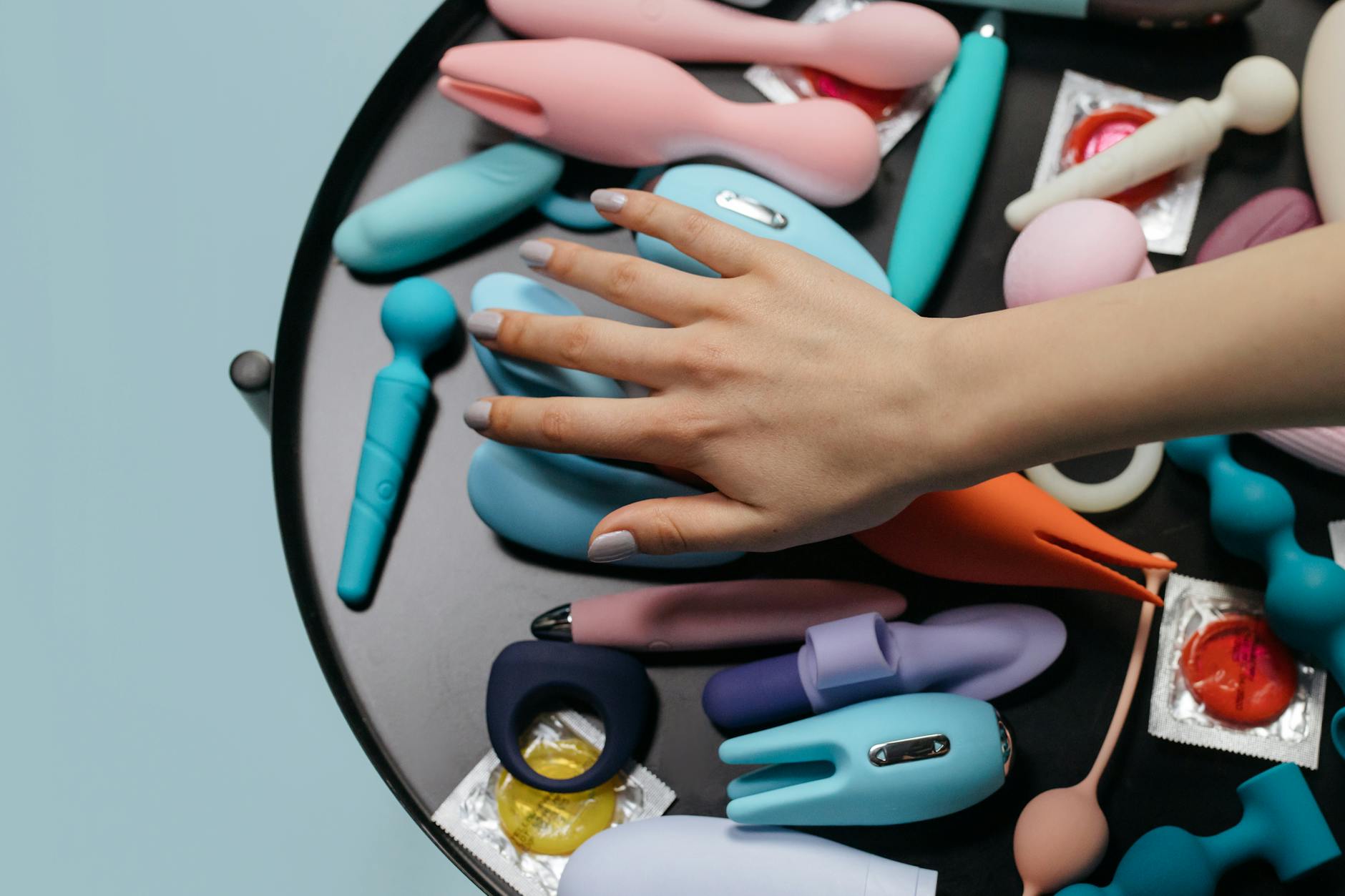
How to Use Lemon Vibrators When Penetration Is Uncomfortable or Off Limits
Penetration doesn't have to be the center of your pleasure. Clitoral vibrators like the Lem create full-body satisfaction when penetration causes pain, anxiety, or just isn't what you want.
Let's be real. Not every person wants penetration, and not every body can handle it without pain. That's not a problem to solve. It's just the starting point for the pleasure that actually works for you.
A lemon clitoral vibrator, or lem vibrator, does something penetration can't: it delivers sustained, calibrated stimulation to the clitoris without any pressure inside. For people navigating vaginismus, endometriosis, pelvic floor dysfunction, or simply not being in the mood for internal sensations, this changes everything. You don't lose pleasure. You find a different kind that can be deeper, more consistent, and frankly easier to reach.
Here's what the research actually says: most people with vulvas don't orgasm from penetration alone. The clitoris, not the vagina, is the primary pleasure center. That's not a flaw in your body. That's how bodies are designed.
When penetration is off the table, you're not missing out. You're removing friction (literal and emotional) and focusing on what actually works. A lemon vibrator concentrates all its energy on the clitoral area. No distraction, no internal pressure, no managing someone else's rhythm.
This is especially true for anyone dealing with pain during sex. Whether it's vulvodynia, vaginismus, scar tissue, or pelvic floor hypertonicity, clitoral-only stimulation lets you explore pleasure safely while your body heals. You're not bypassing sex. You're redefining what sex means for you right now.
The clitoris has about 8,000 nerve endings packed into a small area. That density means a lemon sucker or clitoral vibrator can trigger powerful sensations with modest input. The vagina, by contrast, has far fewer nerve endings, and they're concentrated near the entrance.
When penetration causes pain, your nervous system is often in a protective state. That tension makes arousal harder, orgasm harder, everything harder. Clitoral stimulation bypasses that dynamic. It's direct, it's intense, and it doesn't trigger the same anxiety response.
I've worked with many clients whose pelvic floor was so guarded from years of painful sex that penetration stayed uncomfortable for months, even after treatment. But clitoral pleasure? That returned much faster. The reason is simple: you're not asking the pelvic floor to relax around something inside. You're just asking it to enjoy sensation on the surface.
If penetration has been painful or anxiety-inducing, approaching any kind of sexual device can feel risky. Start slowly.
First session: exploration without pressure. Use the lem vibrator on the lowest setting, fully clothed, just to get used to the sensation and the weight of it in your hand. This isn't about arousal or orgasm. It's about familiarity.
Second session: under clothing. Move to your second-lowest setting, still clothed, and explore what patterns feel good. Some people prefer continuous stimulation. Others like the Lem's different modes and pulse patterns. You're building a map of your own sensitivity.
Third session: direct contact with a barrier. Apply a small amount of water-based lubricant over your underwear or a soft cloth, then use the vibrator through that layer. This gives you direct sensation with a thin buffer that keeps you feeling in control.
Fourth session: skin-to-skin. Only when you're ready, and only if that feels right. There's no timeline. Some people take weeks to get here. That's not hesitation. That's wisdom.
Without the pressure to lead toward penetration, you can explore what actually feels amazing. Start with 15-minute sessions. That's enough time to warm up without fatigue.
Focus on the pace and intensity that makes you comfortable. With a lem vibrator, you can start at pattern one and stay there for the whole session, or you can shift through the settings as arousal builds. Neither is better. Both work.
Many people find that clitoral-only stimulation produces different kinds of orgasms. They might be more localized, or they might be slower to build, or they might feel different in terms of intensity. That's not worse. It's just different. Your job is to notice what you actually enjoy instead of comparing it to some imaginary standard.
If you're partnered, the conversation matters. The goal isn't to convince your partner that penetration is bad. The goal is to say clearly what feels good for you right now.
Try this: "I'd like to explore more clitoral stimulation. It feels better for my body right now, and I want our intimate time to focus on what actually works for me. This could include using a vibrator like the Lem." That's it. No apology, no extended explanation.
Some partners will want to use the vibrator with you. Some will prefer to focus on other forms of touch while you use it. Both are fine. The key is that you're not alone and you're not hiding. You're integrating pleasure into your relationship in a way that works.
For partners hesitant about vibrators, try reframing: you're not replacing them. You're adding a tool that enhances your capacity for pleasure. That benefits both of you.
Here's what I tell my clients: if clitoral orgasm feels full and satisfying, you don't owe penetration to anyone. Not your partner, not yourself, not some imagined "normal."
I've worked with people who spent years forcing penetration because they thought they should, then discovered that exclusive clitoral pleasure was what their body wanted. Some eventually returned to penetration as pain healed. Others never did. Both are perfectly valid endings.
A lemon vibrator gives you permission to explore on your own terms. No performance, no shoulds. Just your nervous system in a state of safety, and a tool designed to deliver exactly the kind of stimulation that works.
Some people avoid penetration not because of pain, but because sensation feels muted or absent. That's common after trauma, medical procedures, or certain medications.
Clitoral vibrators actually help rebuild sensitivity. The consistent, focused stimulation can wake up nerve pathways that have gone quiet. Start very gently. The temptation is to ramp up intensity fast, but that can backfire. Low settings, longer sessions, patient exploration.
Many people find that after a few weeks of regular clitoral vibrator use, sensation gradually returns. That's not universal, but it's common enough that it's worth trying.
If penetration stays off the table, a lem vibrator becomes a tool for shared pleasure. Your partner can hold it, or you can. You can focus on clitoral stimulation while they focus on other forms of touch: kissing, hand stimulation, intimate conversation.
This creates a kind of partnered sex that some people find more connected than penetration ever felt. There's no racing toward an endpoint. You're just present, focused, and giving full attention to sensation.
When penetration has been painful, your body might tense automatically when approaching sexual situations. Here's how to create an environment where that doesn't happen.
Choose a time when you're genuinely relaxed. Not rushed, not stressed. Dim lighting helps. Temperature matters. Some people need blankets and softness. Others prefer cool sheets. You know your body.
Have water nearby and your lube choice at hand. Hydrate before and after. Use the vibrator on a clean surface, or wash it first if that helps you feel ready. These small rituals signal to your nervous system that pleasure is safe and organized.
Using a lemon clitoral vibrator when penetration is uncomfortable isn't settling. It's reclaiming your sexuality on your own terms.
You deserve orgasms that don't hurt. You deserve pleasure without anxiety. You deserve to know what your body can feel when you're not forcing it into a mold that doesn't fit. A clitoral vibrator gets you there faster than almost anything else.
Start small. Go slow. Notice what works. And remember: this is entirely about you and what brings you satisfaction. Everything else is secondary.
Absolutely. For many people, clitoral stimulation produces stronger, faster orgasms than any other form of sexual activity. The clitoris has more nerve endings than any other erogenous zone, so focused stimulation often leads to intense pleasure. If you've never experienced this, a device like a lemon vibrator can help you discover it.
Stop immediately and pause for a few days. Pain is data. If it happens again on a lower setting or with a longer warm-up time, reach out to a pelvic floor physical therapist or gynecologist. They can help identify whether it's muscle tension, nerve sensitivity, or something else. You shouldn't power through pain. You should understand it.
Daily use is safe, even multiple times daily. Your clitoris won't lose sensitivity from regular stimulation, despite the old myth about vibrator desensitization. In fact, consistent use can help rebuild nerve responsiveness if sensation has been numb. If you notice any irritation, dial back frequency for a week, then resume.
Completely normal. Vibrators deliver very focused, consistent stimulation, which some bodies find too intense or too narrow to reach orgasm quickly. Others find they need more mental arousal alongside the physical stimulation. If you're not reaching orgasm after 20 minutes, it's not a failure. You might just need a different pattern, more mental focus, or a longer warm-up.
Yes, but start extremely gently and consider working with a pelvic floor physical therapist at the same time. External clitoral stimulation rarely triggers the same defensive response as internal pressure, but every body is different. Begin with the vibrator off, clothed, just to build comfort. Your therapist can give you personalized guidance.
This is a conversation, not a problem you fix alone. Help them understand that a vibrator isn't a replacement. It's an addition that actually improves your capacity for pleasure together. Some partners get curious and want to participate. Others prefer to step back while you explore alone. Both are okay. What's not okay is giving up your pleasure to manage their discomfort. You deserve to feel good.
Want more guidance on how to integrate pleasure into your life? Reach out to Hello Nancy, and we can connect you with resources tailored to your situation.