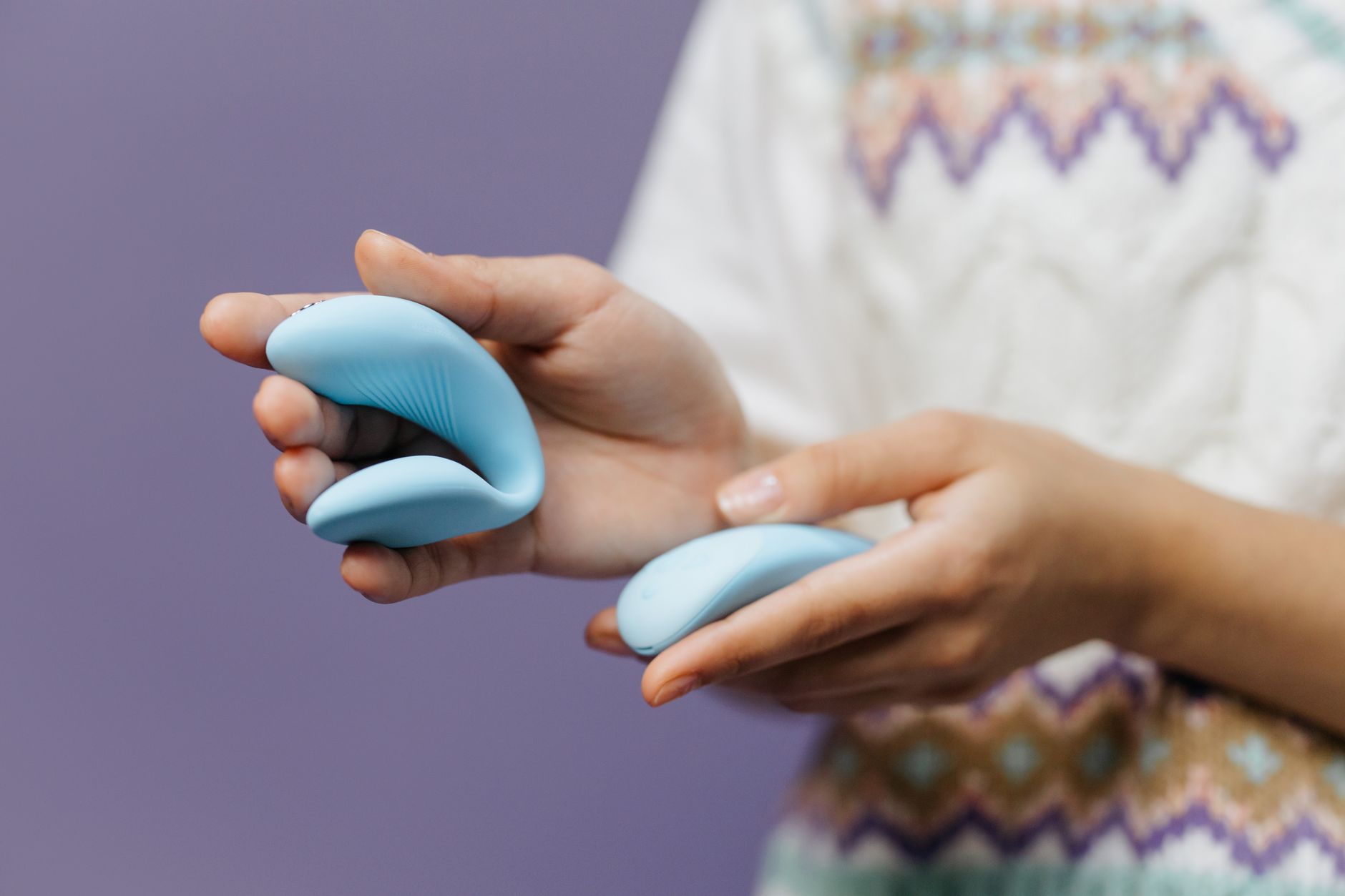
How to Use Lemon Vibrators When Sensation Returns After Numbness
The path from emotional shutdown to physical reawakening isn't linear. Here's how clitoral vibrators fit into the journey when your body is learning to feel again.
Numbness isn't always the absence of sensation. Sometimes it's your nervous system's way of protecting you. After depression, trauma, prolonged stress, or years of disconnection in a relationship, your body doesn't forget how to feel. It chooses not to. That distinction matters because it changes everything about how you approach reawakening.
When sensation finally starts returning, the urge to push through it, to test yourself, to prove that you're "fixed" is real. And it backfires every single time.
Your clitoris has roughly 8,000 nerve endings. When you've been numb for a long time, those nerves don't wake up all at once. Some areas come back first. Some take longer. Some feel sharp or almost painful before they normalize. This is neurologically normal. It's also deeply unsettling if you don't know what to expect.
I've worked with clients who describe the initial stages of sensation return as "prickling," "electric," or "too much." A few weeks later, the same sensation feels perfect. Your nervous system is recalibrating. Trust that process.
The mistake most people make is reaching for the strongest lemon vibrator they can find, assuming more intensity equals faster recovery. It doesn't. It can actually reset your progress by overwhelming your nervous system and sending you back into protective numbness.
If you've been using clitoral vibrators before numbness set in, you probably remember your favorite patterns and intensities. Forget them for now. Start at pattern one on the lowest setting. Spend two to three sessions just getting familiar with that level before moving up.
This sounds glacially slow. It is. It's also the fastest way to actual recovery because you're not fighting your body's protective mechanisms. You're working with them.
When you're reawakening sensation, the goal isn't orgasm. The goal is noticing. Can you feel this? Is it pleasant or uncomfortable? Where exactly do you feel it? Spend a whole week just on those questions before you think about climax.
Suction-based lemon vibrators like the Lem are often ideal during sensation recovery for a specific reason. They create consistent, gentle stimulation without the sharp on-off sensation of traditional vibration. The suction mimics the natural vascular response to arousal, which can actually help your nervous system remember what it's supposed to do.
If you prefer vibration, stick with gentler patterns. Avoid rapid-fire pulses initially. Your nervous system needs time to interpret the signal as pleasure rather than threat.
Water-based lubricant is non-negotiable here, even if you don't strictly need it. The glide reduces friction stimulation and creates a smoother overall sensation. Smoother input means your nervous system has less conflicting data to process.
Sensation returning physically often triggers unexpected emotions. Relief, yes. But also grief. Anger. Sometimes numbness felt safer than feeling. Feeling means facing how disconnected you've been, or how long you spent protecting yourself.
If you're in a relationship, your partner needs to understand that this phase isn't about connection or performance. It's about you and your body. When partners try to "help" during reawakening, they usually make it about themselves. "Does this feel good?" becomes "Am I doing this right?" The focus shifts away from your nervous system's actual process.
Alone time with clitoral vibrators during early sensation recovery is often more valuable than partnered sex. You can move at your own pace. You can stop without explaining yourself. You can feel without performing.
Fifteen minutes is plenty. Twice a week is better than daily. Your nervous system needs rest between sessions to process new information. Overuse can actually create fresh numbness as a defensive response.
I recommend keeping a simple log. Not for performance or shame. Just: date, duration, pattern used, what you noticed. Over weeks, you'll see your own nervous system's timeline. That data is grounding when the process feels slow.
Sensation return isn't linear. You'll have a week where things feel great. Then suddenly you'll feel numb again. This is normal. It doesn't mean you've failed or gone backward. It usually means your nervous system is integrating new input and needs rest.
When you hit a plateau, your instinct is often to push harder. Resist that. Instead, stay exactly where you are for another week or two. Then, very gradually, introduce one small change. Maybe a slightly higher intensity. Maybe a different pattern. Maybe a longer session.
Small incremental changes give your nervous system time to adjust without retreating into protection mode.
If you have a partner who wants to be involved, frame it clearly. "I'm rebuilding sensation. I need solo time with this process. What helps me most is knowing you're patient and not asking me about my progress." That might sound clinical, but clarity prevents the assumptions that hurt reawakening most.
Some couples find it helpful for the partner to be in the room but occupied. Reading, working on something else. Present without hovering. If touch is involved, it should be slow, predictable, and initiated by you, not them.
Your partner can also help by understanding that reawakened sensation is fragile. If they're checking in constantly or making the rebuild about "fixing the relationship," they're adding emotional weight that your nervous system can't carry while it's already doing delicate work.
Here's the weird gift hidden in numbness recovery. Sensation doesn't always come back exactly as it was. Sometimes areas that weren't sensitive before become incredibly responsive. Sometimes your preferences shift. The lemon vibrator intensity that felt perfect five years ago might feel different now. That's not a problem. That's your body evolving.
Many clients tell me that sensation recovery brought them into closer contact with their actual pleasure than they'd ever been. Numbness forced them to slow down. Reawakening taught them attention. When it's finished, many report experiencing more nuance in sensation than before.
If numbness has been lasting (months to years) or if sensation isn't returning after several weeks of gentle reawakening work, talk to your doctor or a therapist. Sometimes numbness signals depression that needs treatment. Sometimes it's a medication side effect worth addressing. Sometimes it's trauma that needs therapeutic support alongside physical reawakening.
Clitoral vibrators like the lemon sexual toys are tools, not cures. They work best alongside the actual work of healing.
It varies widely. Some people notice shifts within a few weeks. Others take two to three months. The timeline depends on what caused the numbness, how long it lasted, your overall health, and how patiently you approach reawakening. Rushing the timeline usually extends it.
Painful sensation during early reawakening can be normal as nerves come back online. But there's a difference between "prickling that feels intense" and "sharp pain that makes you wince." If it's the latter, stop immediately and give your nervous system more rest before trying again. Pain is a stop signal, not a push-through moment.
That's your call. Some people keep sensation recovery completely private. Others share the framework with their partner but not the details. There's no right answer. What matters is that your partner understands the reawakening phase isn't about them and respects your timeline.
Orgasm can take longer than general sensation to rebuild. You might feel pleasure, warmth, and even arousal before climax returns. That's progress. Separate the idea of sensation recovery from orgasm recovery. They're not the same timeline.
You can set yourself back, yes. Overwhelming your nervous system can trigger protective numbness again. But you can't cause permanent damage. If you push too hard, take a break for a week or two, then start even slower. Your nervous system is resilient even when it doesn't feel that way.
When your current intensity feels consistently pleasant (not intense, just pleasant) and you've used it for at least two to three weeks without setback, you're ready to explore slightly higher. Move up by one notch only. Spend another two to three weeks there. The pace feels unnecessarily slow until it clicks that your nervous system needs this rhythm to trust sensation again.
Numbness is a response to pain or overwhelm. Sensation return is your body deciding it's safe enough to feel again. That decision doesn't happen because you forced it. It happens because you created space for it.
Lemon vibrators during reawakening aren't about pleasure performance. They're about dialogue with your nervous system. Patient, gentle, repeated conversation until your body remembers how to respond. The sensation you're rebuilding is worth the slow approach. Trust that.
Want support navigating the emotional side of reconnection with your partner? Reach out