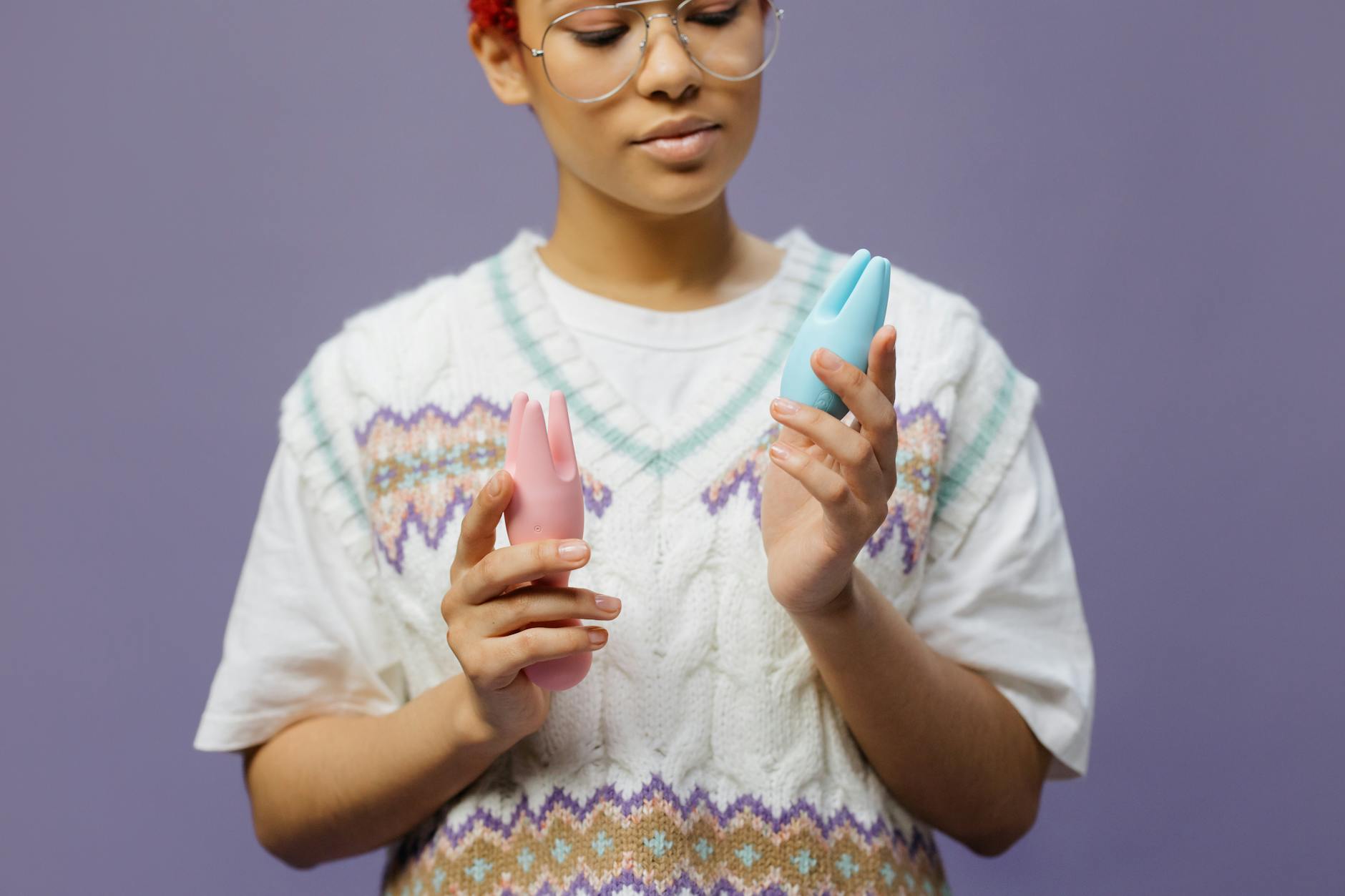
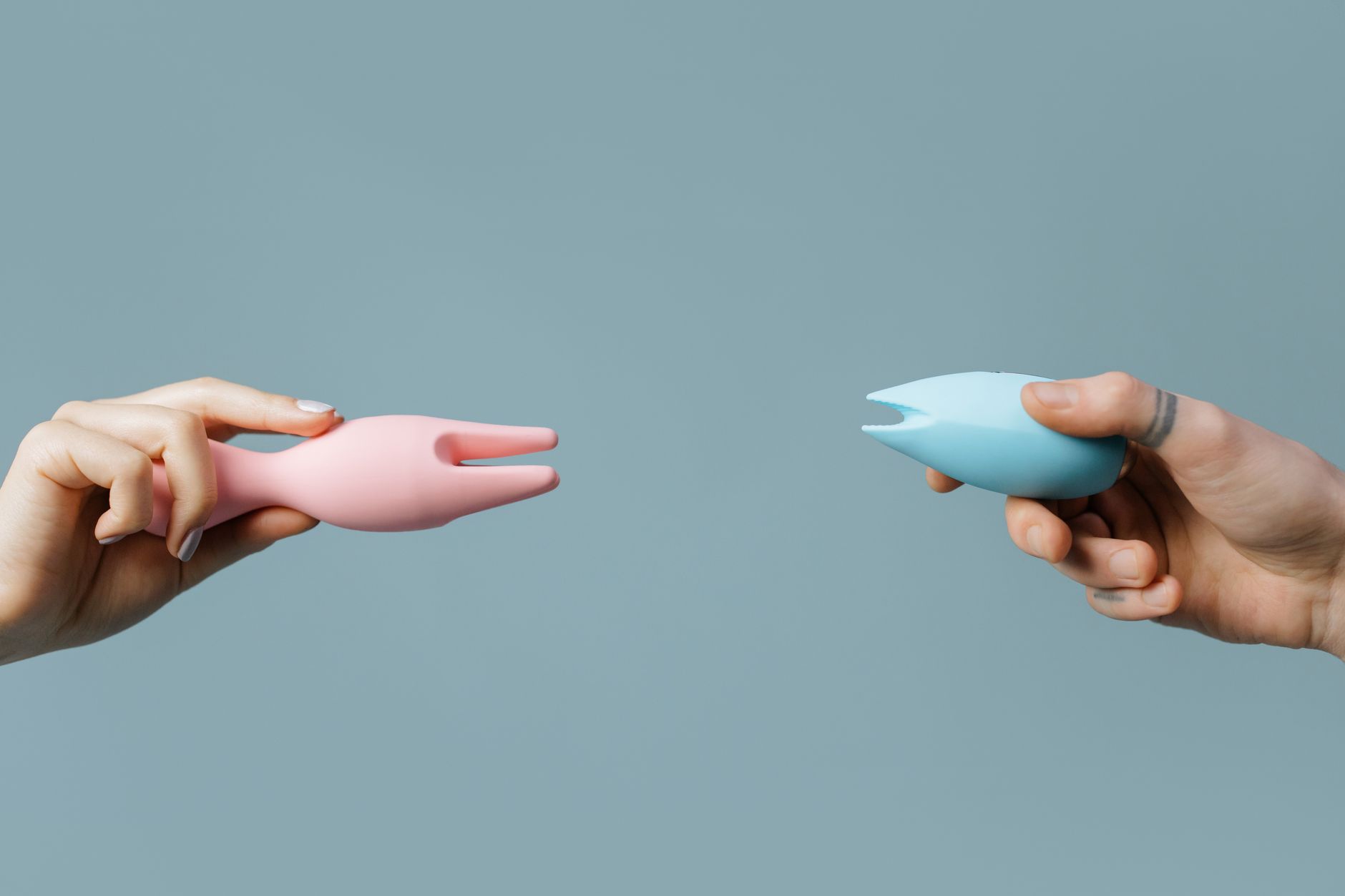
Let's be real. After five years, ten years, fifteen years with the same partner, pleasure can start to feel like reading yesterday's news. Not bad. Just familiar. The novelty wears off, the nervous system stops lighting up, and what once felt electric becomes predictable. Both of you might still be interested, but the sensation itself has gone quiet.
This is wildly common, and it's not a sign that your relationship is broken. It's a sign that your nervous system has adapted. Humans are built to get used to stimuli. That thing that made your heart race on day one becomes background noise by year three. The good news? That adaptation can be interrupted. Lemon vibrators and a shift in approach can genuinely help.
After years together, a few things happen simultaneously. First, anticipation drops. Your brain knows what's coming, so it doesn't prepare for surprise. Second, touch patterns become consistent. The same pressure, same timing, same rhythm every time. Your body learns it and stops responding with the same intensity. Third, the relationship itself becomes an identity. You're no longer "falling into bed together." You're executing a familiar routine.
None of this means you love your partner less. It means your nervous system needs something new to rewire around.
Here's the unexpected part: research on couples therapy and sexual satisfaction shows that introducing a variable—something unfamiliar—doesn't threaten the connection. It restores it. Partners who introduce toys or change their approach report increased desire for each other, not decreased. The toy isn't replacing the partner. It's a signal to the nervous system that this is an event, not a routine.
If you've been with your partner for years without mentioning toys, the first obstacle isn't the toy itself. It's the conversation.
The key is to frame this as mutual reconnection, not as a fix for their inadequacy. Instead of "I need something more," try: "I've been thinking about how we could wake things up together. I found something I want to try, and I'd love to explore it with you."
Notice the difference? The first one makes it about them. The second makes it about the relationship.
If your partner pushes back, listen to the actual worry underneath. Often it's not "toys are weird." It's "Does this mean I'm not enough?" Naming that directly helps. "This isn't about you. It's about us creating something new together."
Clitoral vibrators like those from Lemon Massagers work through a specific mechanism that's different from manual stimulation. They create a pattern that your nervous system hasn't habituated to. The frequency, the pressure curve, the rhythm—all of it lands differently than a hand or a penis does.
When sensation has flattened over time, this novelty matters. It's not about the toy being "better." It's about your nervous system suddenly having to pay attention again.
Lemon vibrators, specifically, use air-suction technology (unlike traditional vibration). This creates a distinctive sensation that often surprises people who've only experienced conventional vibrators. The experience feels less like buzzing and more like gentle pulse-waves. For partners who've been doing the same thing for years, this difference alone can shift what's possible.
Start with a lower intensity setting. The goal isn't intensity. It's novelty and attention. Many couples find that spending 10-15 minutes exploring what different settings feel like actually rebuilds anticipation by itself.
First time: exploration without expectation of orgasm. Take the toy to bed with zero goal except to see what it feels like. No pressure to come. No timeline. This removes performance anxiety and gives your nervous system permission to just notice.
Second time: partner applies it. This is the reconnection piece. When your partner holds the toy and experiments with pressure and placement on you, it forces them to pay attention in a way that years of routine sex might have buried. They're watching your face, noticing what lands, adjusting. That's intimacy.
Third time: integrate it into your regular rhythm. Once you've both gotten curious, use it as part of foreplay or during sex itself. Some couples use it on the receiving partner while the other partner is inside them. Some use it for the first part of sex, then transition. There's no right way.
Build in novelty. Don't use it the same way every time. Try different settings. Try different positions. The point is to keep surprising your nervous system.
Some partners say no. Not maybe. No. If that's your situation, the toy isn't the real issue. The real issue is usually one of three things:
First, insecurity. "If you need that, what does that say about me?" This is the conversation you have, not the toy conversation. Your partner needs reassurance that this is about exploration, not substitution. That might take time, and that's okay.
Second, shame or discomfort. Some people grew up in environments where toys were stigmatized. Their no isn't logical. It's visceral. Rushing them won't help. But persistent, gentle conversation over weeks might. "I get that this feels new. I'm not asking you to want it right now. I'm asking you to be open to the conversation."
Third, genuine disinterest in experimenting. Some people are satisfied with their sexual routine and don't want to change it. If that's the case and you do want to experiment, you have a real incompatibility to navigate. That's worth talking through with a couples therapist, not avoiding.
What's happening underneath all of this is nervous-system re-engagement. When your body stops responding to something, it's not moral failure. It's adaptation. The fix is novelty, but novelty paired with presence.
Notice that the most important part of introducing a lemon clitoral vibrator isn't the toy. It's the attention. You're both suddenly paying close attention to sensation, to each other, to what's possible. That attention is what wakes things up.
Many couples find that after using lemon vibrators together for a few weeks, their regular sex improves too. Not because the toy is magical. Because they've rebuilt the habit of noticing each other.
Long-term pleasure doesn't die. It hibernates. The right approach—novelty, presence, communication—wakes it back up.
Can using a toy with my partner really make us closer, or will it create distance? It depends on how you approach it. If you frame it as "you're not enough" or use it as an escape from intimacy, it can create distance. If you frame it as exploration you're doing together, it typically brings couples closer. The toy becomes a shared secret, something you're curious about as a team.
What if my partner wants to use the vibrator on me but I feel self-conscious? Self-consciousness is normal. It usually fades after the first time. The vulnerability of being paid that kind of attention can actually strengthen the bond. Start in lower light if that helps. Give yourself permission to feel awkward the first time.
How often should we use a lemon vibrator together? There's no prescription. Some couples use it weekly. Some monthly. Others use it a few times and then naturally move back to their regular rhythm. Let your own curiosity guide the frequency, not a sense of obligation.
Is it normal for a long-term partner to feel jealous of a vibrator? Yes. It's common for partners to worry that toys will replace them. Reassurance helps, but so does their own experience of using it with you. Once they feel how different it is when you're both engaged and attentive, jealousy usually softens.
Can a lemon suction vibrator wake up sensation that's been numb for years? Often, yes. The novelty of a different type of stimulation can absolutely restart responsiveness. That said, if numbness is tied to depression, medication, or other health factors, a toy is only part of the solution. Those deserve attention from a doctor or therapist too.
What if the vibrator feels too intense at first? Start at the lowest setting. Most Lemon Massagers vibrators have multiple patterns and intensities. Explore the gentler ones first. Your body will tell you when it's ready for more.
Long-term relationships aren't broken when pleasure becomes routine. They're just asking for attention in a different way. A lemon vibrator, used with intention and communication, is a tool for that attention. It's not a replacement for your partner or your connection. It's an invitation to wake up together.
If you're ready to explore this with your partner and need support navigating the conversation, reach out. We're here to help couples rebuild intimacy, one intentional choice at a time.