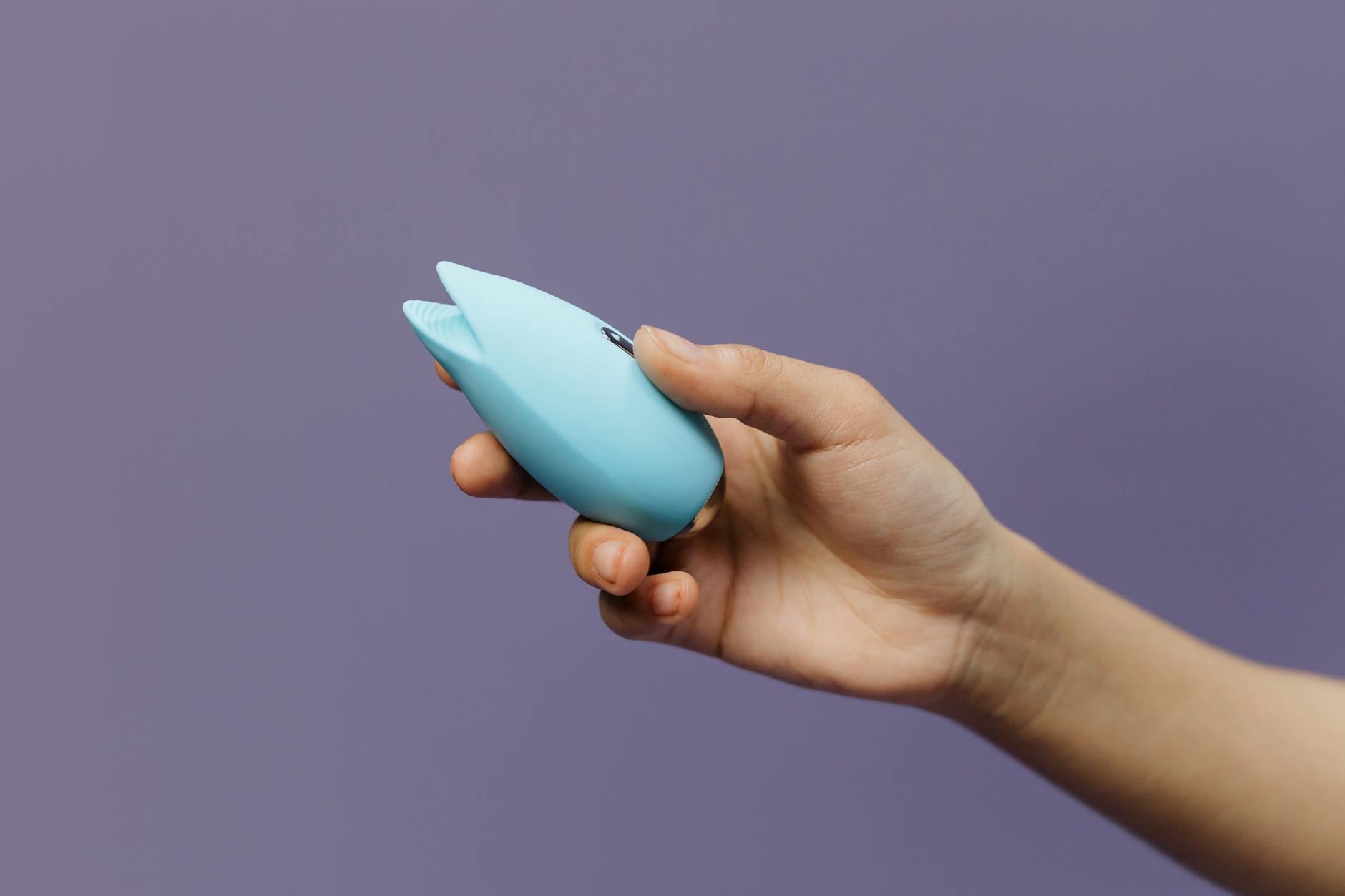
How to Use Lemon Vibrators When You Have a New Partner and Feel Shy About Toys
The conversation you're avoiding is simpler than you think. Here's how to bring it up, when to do it, and why your new partner will probably be relieved you did.
You've been seeing someone new. It's good. Really good, actually. But there's this one thing you haven't mentioned yet because you're worried they'll think it's weird that you use toys, or worse, that you need them because something's wrong with you or the sex you're already having. So you haven't brought it up. And now it feels like the longer you wait, the harder it gets to say.
Here's what I know: your new partner is not thinking about this nearly as much as you are. And the conversation is way less fraught than your anxiety is making it seem.
There's a specific friction that exists when everything is still shiny and new. You're both performing a version of yourselves. You want to seem naturally perfect. You want them to think you're a person who just naturally has amazing orgasms without needing anything extra. You're worried that introducing toys will make you seem demanding or high-maintenance or like you're subtly telling them their effort isn't enough.
None of those things are true. But the feeling is real, and I want to name it before we move forward.
Newly minted relationships also lack the communication scaffolding that builds over time. You haven't yet developed the shorthand for talking about hard things. You don't know what your partner's baseline attitudes are toward sex toys because you haven't tested the waters. So there's real uncertainty here, not just anxiety.
What makes this easier is simple: stop waiting for the perfect moment. It doesn't exist.
Window One: During a regular conversation about pleasure, not in bed. This is the gold standard. You bring it up over coffee or wine, not while you're both naked. You're giving yourself the chance to talk without performance pressure, and you're also giving your partner the chance to ask questions without feeling put on the spot. Something like: "I've been thinking about something I want to try with you. I use a clitoral vibrator sometimes, and I'd love to use it when we're together. Would you be open to that?"
Simple. No preamble. No apology.
Window Two: Right before sex, when you're already getting intimate. If you've been putting this off for weeks and the perfect conversation moment keeps not happening, this is your permission to just do it. When you're already kissing and touching, pause for 30 seconds and say, "I have something I want to try. Is that okay?" Then show them. Most partners will either be genuinely curious or relieved that you initiated something new.
Window Three: After sex, in that drowsy window where the pressure is off. This is my least favorite option because you can't use the toy with them in the moment. But if you want to introduce the idea without the stakes of actually doing it right now, this works. Vulnerability is easier when you're both relaxed and unthreatened.
Your brain is probably already writing a long explanation. Stop that.
You don't need to justify why you want to use a lemon vibrator. You don't need to convince them that you still want them. You don't need to make a case for why toys aren't cheating or weird or whatever your family made you believe about sex.
All you need is: "I use a vibrator for clitoral stimulation, and I really enjoy it. I'd like to incorporate it into our sex life sometimes. How do you feel about that?"
If they ask questions, answer them directly. If they seem hesitant, ask what's making them hesitant. You're not negotiating whether you deserve pleasure. You're just information-sharing and checking for alignment.
Most partners respond with one of three things: "Yes, absolutely." (Probably 70 percent of people.) "I'm not sure how I feel, can I think about it?" (Totally valid. Give them 24 hours.) Or occasionally, "That makes me uncomfortable." (See the next section.)
Some people grow up with messaging that toys are a threat, or that good sex shouldn't require tools, or that pleasure that doesn't center their partner is somehow selfish.
If your partner says they're uncomfortable, the first thing to understand is whether they're uncomfortable with you having pleasure without them involved, or uncomfortable with the object itself, or uncomfortable because they think it means they're not enough.
Asks: "What specifically feels uncomfortable? Is it the idea of me using toys in general, or the idea of me using them with you?"
Many partners come around once they understand that clitoral vibrators often make orgasms easier and faster, which means more pleasure for both people in less time. It's not a threat. It's efficiency.
If they still resist after you've both talked it through, you have a choice to make: Is this a dealbreaker for you? For many people, it is. And that's okay. Your access to pleasure is not negotiable.
Don't make it a big production. Don't schedule it like an event or build it up in conversation for days.
Next time you're getting intimate, when things are already moving, incorporate it naturally. Use it on yourself while they're touching you elsewhere. Or hand it to them and say, "Try this here." Most lemon clitoral vibrators like the Lem are intuitive. They'll figure out the settings.
If it feels weird the first time, that's normal. Your brain is managing multiple inputs: new sensation, performance consciousness, watching them watch you. That's a lot. By the third or fourth time, your nervous system settles down and you can actually feel what's happening.
One practical thing: if you're both brand new to toys, start on a lower setting. Don't hand someone a vibrator on full power and expect them to know what's happening. Settings one through three exist for a reason.
Some partners get genuinely excited about this and want to be the one holding the toy. That's great. Let them.
One thing I always tell people: if your partner is using the vibrator on you, you still need to guide them. "A bit higher," "slower," "that pattern again." You know your body better than they do. Pleasure isn't a mystery they need to solve. It's information you can share.
After you've used toys together a few times, there's one more conversation worth having: What do you each want from this? Do you want toys every time, or sometimes? Do you want to explore other toys down the line? Is this becoming a regular part of your sex life, or a special-occasion thing?
These conversations are unsexy and practical. They're also the difference between toys feeling like an organic part of your shared pleasure and toys feeling like an obligation or a source of pressure.
If you've read all of this and the idea of telling your partner still feels impossible, check in with yourself. Is it shyness, or is it something deeper? Sometimes hesitation around toys is really hesitation about having a voice in the relationship at all. Sometimes it's a sign that the relationship doesn't feel safe enough for you to ask for what you want.
If that's what's happening, that's a bigger conversation than toys. That's about your baseline comfort in the relationship. And that might be worth exploring with a therapist or trusted friend before you worry about whether your partner will accept your lemon clitoral vibrator.
But if you're just shy? That passes. Usually within one conversation.
Most people are relieved when a partner brings up sex toys. They often feel relief that you're being honest. They're curious. They want to see you feel good. The performance anxiety you're carrying is almost entirely yours.
Your new partner probably isn't thinking about your vibrator at all. And if they are, they're probably wondering if you'd think they're weird for being interested in exploring it with you. Humans are predictably similar about sex. We mostly just want permission to want what we want.
Give yourself that permission first. Then extend it to them.
What if my new partner has never used toys before?
Most people haven't. That's normal. You're not introducing them to something strange. You're just introducing them to something new. Walk them through how it works, start on a lower setting, and don't make it weird by treating it like it is. The more matter-of-fact you are, the more matter-of-fact they'll be.
Should I warn them before using a vibrator during sex?
Yes, but not in an apologetic way. "I'm going to use my vibrator now" is fine. A heads-up is considerate because it changes the sensation they'll feel and they should know what's coming. But you don't need permission each time after the first conversation. You're partners, not strangers.
What if they want to use the toy but I'm self-conscious about it?
Take a breath. The self-consciousness usually fades after a couple of times. If it doesn't, you can try using it solo first to get comfortable with how it feels on your own. That helps separate the sensations from the performance anxiety.
Can I ask my partner to use a vibrator on themselves during sex?
Absolutely. Some people come more reliably with external stimulation, and that's just information about how their body works. If you want to see them use a toy on themselves, say that. "I'd love to watch you use a vibrator. Would you be into that?" Most people find that exciting, not offensive.
Is it okay if I use my vibrator every time we have sex?
If that's what gets you there, yes. Your partner's job isn't to be your only source of stimulation. Their job is to want your pleasure. Using a lemon vibrator isn't a failure of intimacy. It's information about your body.
What if they ask to stop using the vibrator?
Then you talk about why. Is it boring for them? Do they feel like they're not needed? Are they not enjoying how it changes the dynamic? These are all conversations worth having. But "stop using the thing that helps you feel good" isn't a reasonable ask unless you're both willing to explore why that request exists in the first place.
The nervousness you're feeling about this conversation is evidence that you care about this person and want the relationship to work. That's good. But don't let that nervousness keep you quiet. Silence is a choice, and it's the one that costs the most.
Start with the coffee conversation. Keep it simple. Watch them not freak out. Then try it together.
Your pleasure matters. And anyone worth being with will be glad you said so.