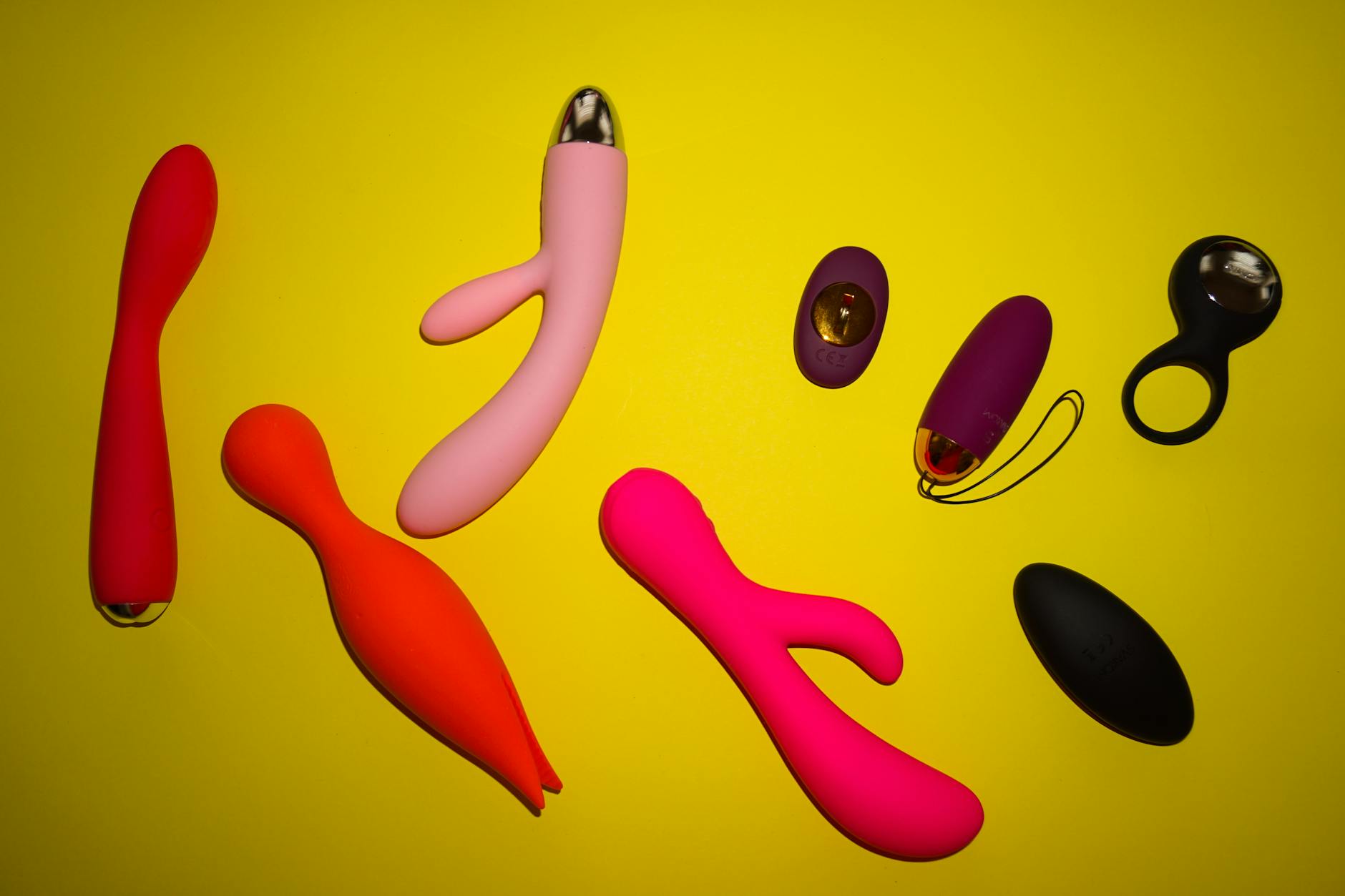
Here's the thing about starting over at midlife
You've been married. You've been partnered. Maybe you've spent years in a relationship where pleasure got smaller and smaller until it nearly disappeared. Now you're with someone new, and the script you learned doesn't fit anymore.
One of the questions I hear most from clients rebuilding intimate lives in their 40s and beyond is this: when do I tell a new partner I want to use toys? And honestly, the anxiety makes sense. You're vulnerable enough already. Adding "by the way, I need a vibrator" to the early intimacy conversation feels like handing over a rejection letter before anything's even started.
It doesn't have to be that complicated. Here's what actually helps.
Why toys matter more in new midlife relationships
Your body has changed since your last relationship. Your arousal patterns are different. Maybe you need more time to warm up. Maybe sensation works differently now. Maybe you've never actually explored what you like because you spent your last relationship calibrating everything around someone else's pleasure.
A new partner at midlife doesn't know your body the way a long-term partner does (even if that long-term partner wasn't paying great attention). Which means this is the perfect time to say clearly: here's what helps me, here's what feels good, here's what I need.
Lemon clitoral vibrators, in particular, work well in new midlife relationships because they're straightforward. No mystery. No performance pressure. You can introduce them early, use them together, and the suction design means they work consistently even when arousal timing is still unfamiliar to both of you.
The timing conversation
The best time to introduce the idea isn't in the moment. It's the conversation before.
You don't need a solemn sit-down. You need a comment during something casual. "Hey, I've realized I usually need a little more stimulation to finish. I've got a vibrator that really helps. Would that be cool to use together?"
Notice what's in that sentence: clarity, confidence, no apology. You're not asking permission. You're giving information and checking interest.
If he or she panics, that tells you something important about their relationship maturity. If they say yes, you've just saved yourself months of awkward performance pressure.
How to introduce it without making it weird
The first time you use a lemon clitoral vibrator together, don't make it the entire event. It works best when it's integrated into what you're already doing.
Start with foreplay. Build arousal naturally. Then, when things are warm, bring it in. "Want me to grab it?" is a completely normal question. Use it on yourself while they're touching you elsewhere. Let them watch. Let them help.
The suction design of lemon vibrators means there's no complicated positioning. You're not trying to balance something while managing penetration. You're just adding targeted stimulation to what's already happening. Your hands stay free. Your partner can still touch you.
This is where the midlife advantage shows up. You've both lived long enough to know that good sex is collaborative, not scripted. You're not pretending to be spontaneous. You're actually communicating.
Different pleasure styles, same vibrator
One of the sneaky problems in new relationships is this: you might have completely different approaches to arousal. One of you might want 45 minutes of foreplay. The other might want 10. One might want external stimulation only. The other might want everything.
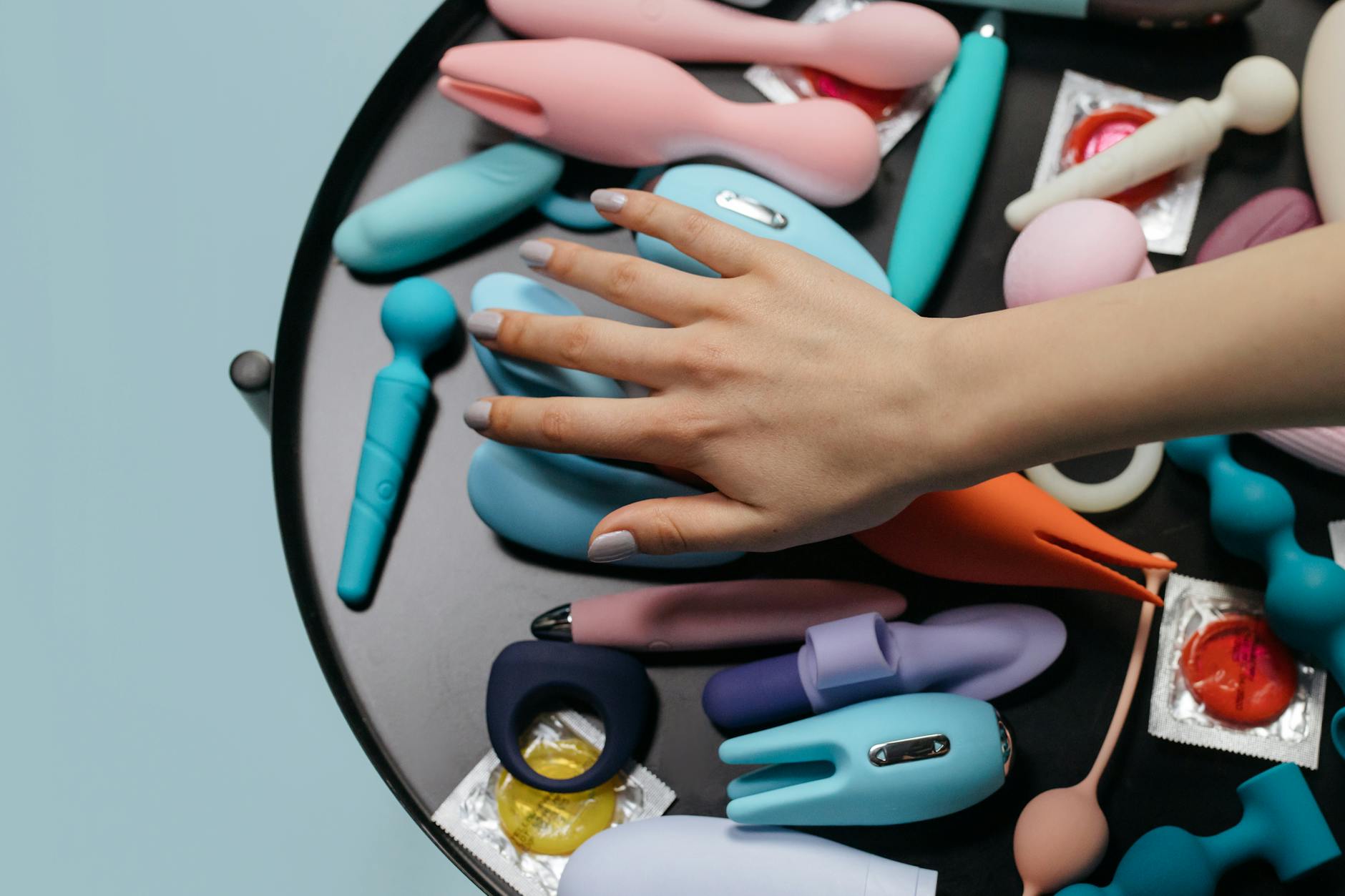
Photo by cottonbro studio on Pexels
This is where lemon clitoral vibrators become a relationship tool. When you're using one, you have agency. You control the speed. You control the exact spot. Your partner doesn't have to guess anymore. You're not waiting for them to figure you out.
Say your partner wants to move into penetration but you need more clitoral stimulation first. A lemon vibrator means you can keep building your own arousal while they're engaged. You're not delaying them. You're not rushing yourself. You're both getting what you need.
This is wildly common in midlife relationships because your refractory periods are different, your arousal curves are different, your bodies have changed. Instead of pretending you're in sync when you're not, tools like lemon sexual toys let you actually be in sync.
What to buy for two people with different experience
If you've never used a lemon vibrator before and your partner definitely hasn't, start with something straightforward. The Lem is designed for exactly this situation. It's intuitive. It doesn't require an instruction manual. It does one thing beautifully, which removes a layer of decision-making.
If you're the one who's used toys before and your partner's nervous, let them watch you use it solo first. No performance. Just regular pleasure. That normalizes it faster than anything else.
The vulnerability piece
Here's what I tell couples in my practice: introducing toys isn't about the toy. It's about saying "I want us to feel good. I want you to know what helps me. I trust you with this."
At midlife, that matters more than it ever did in your 20s. You've been hurt. You've been bored. You've been unseen. A new partner introducing lemon adult toys together is actually saying something deeper: I'm willing to be honest. I'm willing to ask for what I need. I'm not performing.
That conversation is the real intimacy. The vibrator is just the tool that makes the conversation easier.
Handling the comparison trap
Midlife relationships carry ghosts. If you were married for 15 years, there's a version of that experience still alive in both of your bodies. Maybe he's comparing you to someone else's patterns. Maybe you're comparing him to what felt familiar even if it wasn't good.
Introducing tools like lemon vibrators actually interrupts that dynamic. You're saying: this is not that relationship. This is new. Let's build something different.
If shame shows up, name it. "I'm nervous about this because in my last relationship, toys were a sign something was wrong." Then let him respond. Let that old story get corrected by a new experience.
When to see a couples therapist instead
If the resistance goes deeper than nervousness. If he says no and shuts down the conversation. If you're already walking on eggshells around pleasure, that's a sign the relationship might have other communication issues that need addressing.
A new relationship at midlife is your chance to start differently. That means partners who can talk about sex like adults. If that's not happening, nothing in this guide will help.
The practical stuff
Water-based lube, always. Even if you're producing enough naturally, a little extra helps with comfort and sensation. Keep the vibrator clean. Charge it beforehand so you're not fumbling with that moment. Keep it in a spot you both can easily access without ceremony.
The goal is for lemon clitoral vibrators to become as natural as lube. Not a big deal. Just part of what you do together.
FAQ: New relationships and midlife intimacy
What if my partner thinks using toys means I'm not satisfied with them?
That's the worry, but it's built on the old model of sex. In that model, toys mean something's wrong. In the actual model, toys mean you're curious and communicative. You're literally saying "I want to feel better, and I want you here while it happens." That's the opposite of rejecting them.
Is it weird to bring a lemon vibrator into the relationship this early?
Not at all. Early is actually the best time. You're both still discovering each other. Introducing it in month two is more natural than introducing it in year five when patterns are already set. You're normalizing it from the start.
How do I know if my new partner is actually okay with it or just saying yes?
Pay attention to his or her body language during that first conversation. Are they asking questions? Do they seem curious? Or are they giving you short answers and changing the subject? You can also check in later. "That seemed like a lot. You okay?" gives them room to be honest if they weren't.
What if I'm the hesitant partner and my new girlfriend wants to use toys?
That's actually perfect data. Her asking means she trusts you enough to be honest about what she needs. That's a gift. If you're nervous about inadequacy, that's worth examining separately. But saying yes to this is saying yes to intimacy. It's worth getting curious about why you're hesitant.
Can we use a lemon vibrator during penetration?
Absolutely. Lots of couples do. The external design means it works perfectly while you're inside. Some people use it externally while you're in. Some use it during foreplay to build arousal before penetration. The tool is flexible. Use it however feels good.
What if it doesn't work in the moment?
That happens. You might feel self-conscious. Arousal might drop. Timing might be off. This is exactly when you need the communication skills you've already started building. "This felt weird but I like the idea. Want to try again differently?" That's the whole relationship right there.
The real thing
Introducing lemon clitoral vibrators in a new midlife relationship isn't about the tool. It's about deciding that this relationship will be different from the last one. That you'll ask for what you need. That your partner will listen. That pleasure matters, and you're both worth the conversation it takes to protect it.
If that feels hard, that's actually the sign you're in the right place. Midlife relationships are your second chance at getting intimacy right. Worth having the awkward conversation for.
If you're navigating early-stage intimacy in your new relationship and want to talk through communication patterns, reach out. That's what we're here for.
Contact us if you'd like guidance on building healthy intimacy conversation in a new partnership.