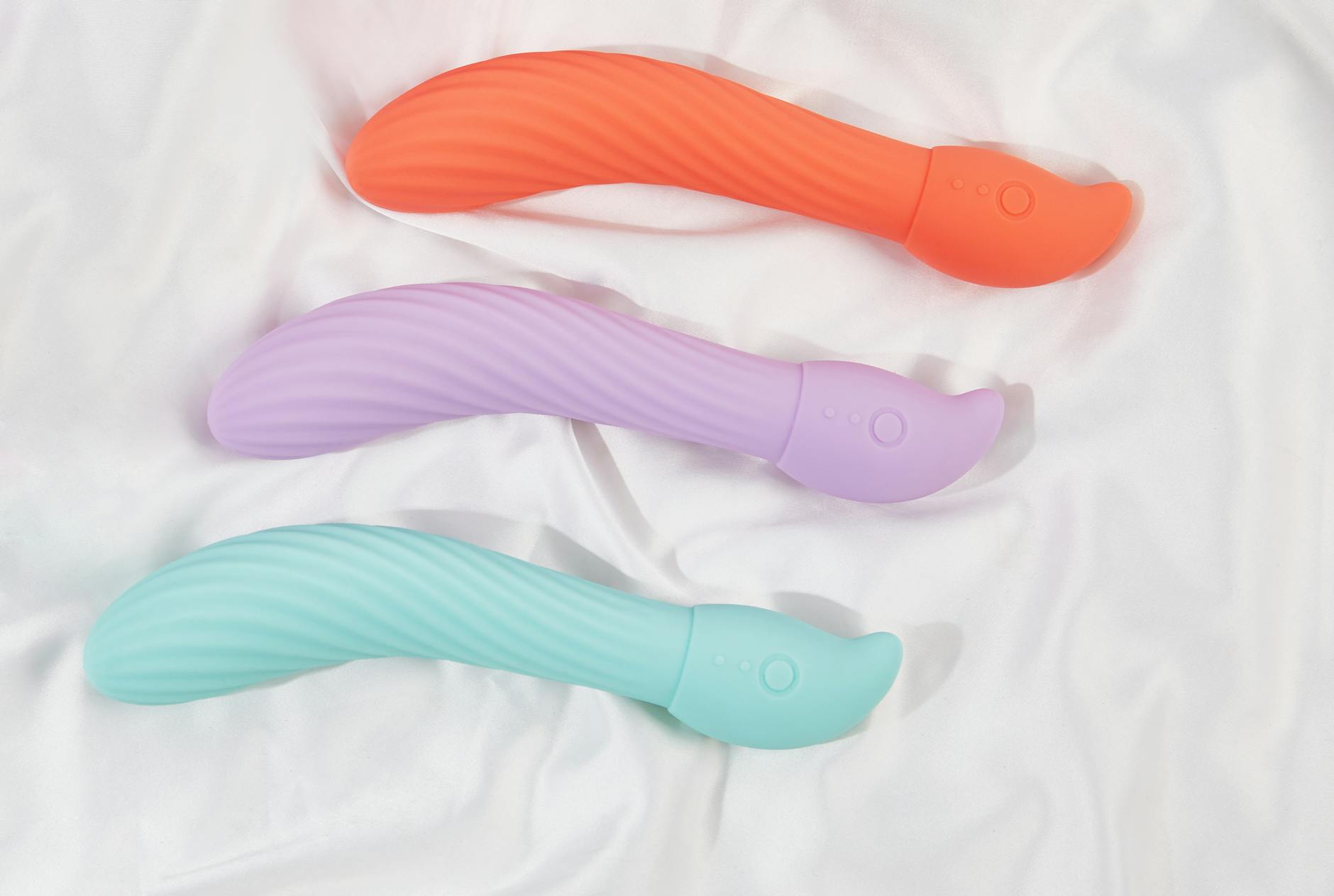
Let's start with what you're really dealing with
Sexual aversion after trauma is not a kink. It's not something broken inside you. It's a rational nervous system response to unsafe experience. Your body learned that sexual touch means harm, and right now it's doing its job by saying no.
Here's what most recovery advice gets wrong: it treats rebuilding pleasure like a destination you need to reach. Therapists talk about "getting back to normal" or "reclaiming your sexuality." That's backwards. You're not going back. You're building something new, from scratch, at a pace your nervous system can handle.
I work with people rebuilding pleasure after trauma regularly. The ones who make real progress aren't the ones who push hardest. They're the ones who prioritize feeling safe over feeling anything at all.
Why lemon vibrators feel different when you're in trauma recovery
There are three things that matter here, and they all apply to why tools like the Lem work better than partnered touch when you're starting from aversion.
First: you control the pace. A partner, even a loving one, brings their own nervous system into the room. They want to touch you. They're managing their own desire. A lemon clitoral vibrator is a tool that responds only to you. You decide when it touches you, how much pressure, when to stop. That control is not a luxury. It's foundational.
Second: the sensation is foreign. Your trauma history is tied to specific touch. The weight of a hand. The temperature of skin. The speed of a breath. A vibrator feels completely different. Your nervous system doesn't have the same "threat" association with it because it's not human touch. That unfamiliarity can actually be an asset in early recovery.
Third: suction stimulation feels safer than penetration. Lemon vibrators use air-suction technology instead of traditional vibration, which means the sensation is gentler, more diffused, and happens outside the body rather than within it. If penetration is tied to your trauma, external clitoral work with a lemon sucker lets you stay in control of what happens where.
How to actually start rebuilding pleasure
There is no such thing as rushing this. If you're feeling pressure from a partner, from yourself, or from the culture's idea of "normal," that pressure is part of the problem. Real recovery starts when you give yourself complete permission to move slowly.
Here's the framework I use with clients.
Week 1-2: Tool exploration without expectation. Hold the Lem. Look at it. Charge it. Turn it on while it's on your arm or your hand. The goal is not arousal. The goal is familiarization. Your nervous system needs to learn that this object is safe. You're not trying to feel pleasure yet. You're trying to feel neutral.
Week 3-4: External body mapping. If touching your vulva directly feels triggering, start somewhere else. The inside of your wrist. Your neck. Your hip bone. Use the Lem on low settings on these safer zones. Again, no arousal goal. You're learning what the sensation feels like on your skin without the emotional weight of genital touch.
Week 5-6: Slow approach to the clitoris. When you're ready, touch the outer labia first. Then the hood. Then gradually closer to the clitoris itself, if that feels okay. Keep the Lem on the lowest setting. The point is not to orgasm. The point is to touch your own body and notice what happens without judgment.
Week 7+: Building from sensation to pleasure. Only once you've had multiple sessions where touching your clitoris feels neutral or slightly good do you start exploring what pleasure might feel like. Increase the settings incrementally. Play with patterns. Pay attention to what feels safe versus what creates tension.
I'm going to be clear: this timeline is not fast. But it works. Nervous system healing doesn't happen in weeks. It happens in months. And the goal is not to "get over" your trauma. The goal is to build a new relationship with your own body that exists alongside the trauma history.
What happens if touch still feels impossible
Some people, when they start this process, find that touching their genitals at all creates panic or numbness. That's not a sign you're doing it wrong. That's your nervous system telling you it needs more scaffolding.
Back up further. Use the Lem on your arm while you're sitting somewhere safe, like reading or watching TV. Let it become background noise. Some people need weeks of this before their system is ready for genital contact.
Others find they can use the Lem but can't be alone with it. Work with a partner in the room, both fully clothed, while you explore below the waist. The presence of another nervous system that's calm can help regulate yours.
And some people need professional support. A trauma-informed sex therapist isn't a luxury. It's a tool. The right therapist can help you recognize when your nervous system is genuinely ready to move to the next phase, versus when you're just pushing through dissociation.
The emotional side of rebuilding
Here's what catches people off guard: rebuilding pleasure after trauma is not just physical. It's emotional, relational, and psychological all at once.
You might touch your clitoris and feel nothing. That's dissociation protecting you. You might touch it and feel shame. That's internalized messaging about your body. You might feel arousal and panic at the same time. That's your trauma response colliding with your nervous system waking up.
None of these mean you're failing. They're all normal parts of the process.
What matters is what you do next. If you feel nothing, notice it without judgment and try again another day. If you feel shame, that's likely stuff to work through with a therapist, not something to push past. If you feel arousal and panic together, slow down. That's your nervous system telling you the pace is too fast.
Many people find that working with a partner during this phase helps, but only if that partner understands what recovery actually looks like. Your partner is not a solution. Your partner is a support system. They should be able to sit with you while you touch yourself. They should celebrate incremental progress. They should never pressure you or take it personally when you need to stop.
Why the lemon vibrator specifically works here
I mention the Lem and other lemon clitoral vibrators in recovery conversations because the technology itself matters. Air-suction feels qualitatively different than traditional vibration, which can feel more aggressive or triggering to people with trauma.
The suction is localized but gentle. It builds slowly. It doesn't penetrate. And importantly, you can turn it off immediately if something shifts in your body. The pause button is right there. That matters more than you think when you're rebuilding trust in your own choices.
When to loop in professional support
There are three moments when seeing a trauma-informed sex therapist is not optional.
First: if you feel suicidal or self-harming when you attempt any of this work. Second: if you're experiencing flashbacks or intense dissociation during touch. Third: if you've been using avoidance so completely that you need help recognizing when your nervous system is actually healing versus when you're just managing the trauma better.
A good therapist will help you understand what's happening in your body and why. They'll also help you figure out if you're ready for this work at all, or if you need more grounding and stabilization first.
Recovery is not linear. Some days you'll feel safe in your body. Other days you'll feel invaded by your own skin. The lemon vibrators are a tool that can help when safety is there. When it's not, respect that. Tools can wait. Your nervous system comes first.
FAQ
Is it normal to feel nothing when I use a lemon vibrator after trauma?
Completely. Numbness is often a protective response. Your body is still learning that touch is safe. Keep using it in low-pressure ways, without expecting sensation. The feeling can return, but it's on its own timeline. If numbness persists for months despite consistent practice, talk to a therapist.
Can I use a lemon clitoral vibrator while my nervous system is still very activated?
Yes, but differently. If you're in early recovery, use it in non-genital ways first. Your arm, your hand, your shoulder. This teaches your nervous system that the tool is safe before you introduce it to vulnerable areas. Many people spend weeks here before moving to vulvular contact.
What if I have a partner and they want to be involved in my recovery?
That can work, but it requires clear communication and zero pressure. Your partner should never touch you with the vibrator without explicit consent in the moment. The best partners understand that your recovery is about you rebuilding trust with your own body, not rebuilding arousal for them. If your partner can sit with that, great. If they can't, that's its own conversation.
How do I know if I'm ready to progress to the next phase?
You should feel genuinely safe with the current phase before moving forward. Not just tolerating it. Safe. That might take weeks or months. When you're ready, you'll notice that touch no longer creates panic or strong dissociation. You might even notice curiosity. That's the signal to gradually increase intensity.
What if penetration still feels impossible even with a lemon vibrator?
Then you don't do it. The Lem is designed for external clitoral stimulation, so it's not penetrative anyway. Many people find that addressing clitoral pleasure completely separately from penetration actually helps trauma recovery. You're not forcing anything. You're building pleasure from what feels safe first.
Can I use a lemon sucker if I'm still in talk therapy for trauma?
Absolutely. In fact, many trauma therapists recommend it as part of somatic therapy. The key is talking to your therapist about your plan so they can support you through whatever comes up. This is teamwork between you, your therapist, and your own body.
The long view
Recovery from sexual trauma is not about getting back to where you were before. It's about building a new relationship with pleasure that acknowledges what happened and doesn't let it define your future.
That relationship starts with tools, like a lemon vibrator, that give you total control. It builds through patience. And it deepens when you stop measuring progress by how much you can tolerate and start measuring it by how safe you feel.
Your body is not broken. Your response is rational. And rebuilding is possible. Take your time.