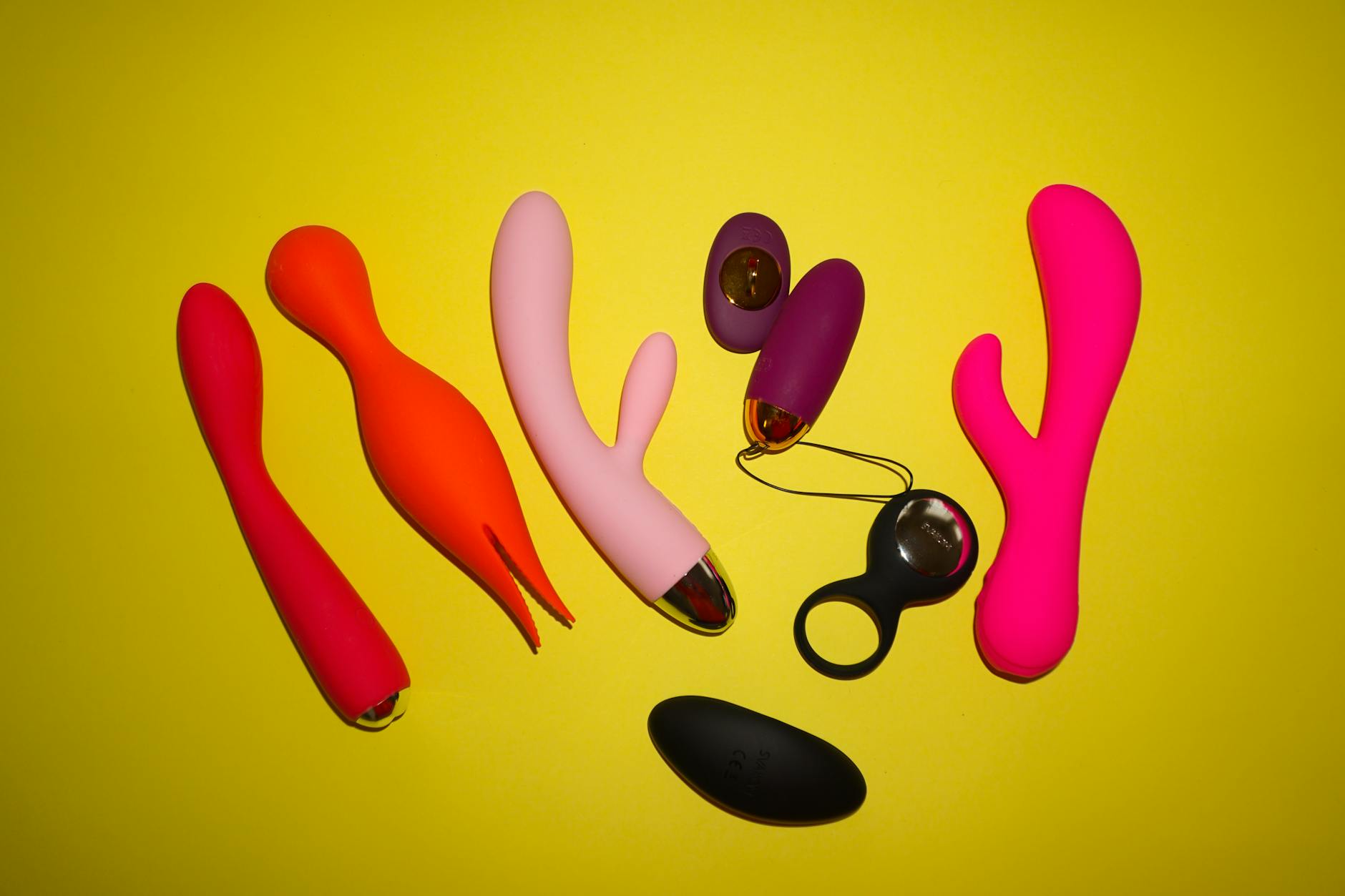
Let's be real about what actually kills connection
It's not the toy. I've worked with hundreds of couples over two decades, and I can tell you with certainty: introducing a Lemon clitoral vibrator doesn't break intimacy. Avoiding the conversation about it does. Shame about wanting it does. Assuming your partner will feel threatened does. But the toy itself? That's neutral. It's a tool, and tools don't distance people. Stories do.
The anxiety most people feel when they think about bringing toys into their partnership isn't really about the toy. It's about a much older fear: that wanting something more means something's wrong with what you already have. That's the belief that needs unpacking, not the vibrator that needs hiding.
Why the fear feels so real (and why it's usually misdirected)
Three things happen in long-term partnerships that make this moment feel dangerous. First, pleasure becomes conflated with love. If I'm not getting aroused as easily as I used to, or if I need different stimulation now, the story we tell ourselves is "they're not enough." That's rarely true. Your body is changing, your nervous system is changing, your availability is changing. The Lemon vibrator isn't proof of insufficient desire for your partner. It's evidence that you're aging, that sensation shifts, that pleasure itself is a conversation between your body and itself, not just between two bodies.
Second, most of us were raised with the implicit rule that good partners don't need anything beyond what their partner provides. That's a myth. It sets up an impossible dynamic where anyone who wants more than pure penetration or pure hands becomes a problem. Not a person with a different body. A problem.
Third, and this is where I see the real stumbling block: most couples have never practiced asking for what they want in low-stakes situations. So introducing toys feels like asking for the moon when you've never even asked for the light switch moved.
The conversation that actually protects connection
Let me be direct. If you want to use lemon vibrators with your partner without drifting, the conversation has to happen before the vibrator comes out. Not during. Not as a surprise. Before.
Here's the frame that works: this isn't a negotiation about whether you get to have more pleasure. It's an information exchange. You're telling them something true about your body and inviting them into understanding it.
The opening line I recommend is simple and true: "I've noticed my body responds differently now, and I want to explore that with you, not away from you." Then you breathe. You let them sit with that. Then you say what's true: "I'm interested in trying something that might help. It's called a Lemon clitoral vibrator, and I'd like to use it with you. I'm telling you now because I want your input on this before we do anything, and because I'm not interested in keeping secrets from you."
Notice what happened there. You named the object specifically. You said you want to explore it with them, not without them. You gave them agency by asking for their input. You took away the surprise and the shame in the same breath.
What you didn't do: apologize, overexplain, minimize your own need, or frame it as a problem with them.
What partners actually feel (and why it's usually not what you think)
Here's the research that changes things. Most partners who initially feel threatened by toys don't stay threatened. They feel threatened because they interpret the request as criticism. "My touch isn't enough" gets heard as "you're not enough." But when you reframe it as curiosity about sensation, not indictment of their skills, the resistance usually softens.
Some partners actually feel relieved. They've been trying to create sensation that maybe isn't possible with their hands alone. They've been worried about your pleasure and wondering if they're missing something. Introducing a tool lets them off a hook they didn't know they were on.
Others are curious. They want to know what that sensation feels like, or they want to understand what changes in your body when you use it. That curiosity is a doorway to deeper connection, not a threat to it.
The partners who stay resistant are usually the ones who feel their role in your pleasure is being threatened. That's real, and it deserves a real conversation. "I want to use this because it helps me feel more. It's not a replacement for you. It's an addition to what we do together. You're still the one I'm choosing to explore this with."
How to introduce it without creating distance
Timing matters. Don't bring it out when you're already in bed trying to have sex. That feels like a last resort, a Band-Aid. Bring it out when you're both rested, talking about sex openly (not during sex). Maybe over coffee or wine. Make it a conversation about pleasure, not a conversation about problems.
Show them the actual thing. Let them hold it. Lemon vibrators are designed to feel smooth and look intentional, not medical or scary. Familiarity kills the mystique and the threat. When they can see it's just a tool, not a secret, something shifts.
Then, here's the important part: don't use it immediately. Talk about when you might want to use it together. Ask what they'd like to know about how it feels. Ask if they want to be part of the experience or prefer to step back. Some partners want to watch, some want to help direct the vibrator, some want to use it on their partner. There's no right answer. There's only what works for both of you.
When to use lemon vibrators together
Start with foreplay, not as the main event. Use it to build arousal for both of you. Many partners find that watching their partner respond to a vibrator is genuinely arousing. The sound, the rhythm, the visible pleasure. That can strengthen connection because you're both present, both engaged, both focusing on sensation.
Use it without penetration first. This isn't about adding sensation to existing sex. It's about exploring what this specific stimulation feels like. When the Lemon vibrator becomes familiar as its own experience, introducing it into partnered sex becomes less loaded.
Talk during it. "Does that feel good?" "Do you want faster or slower?" "What do you feel right now?" This isn't clinical. It's just presence. It keeps you connected while exploring something new together.
What deepens connection (the actual answer)
Honesty deepens connection. Vulnerability deepens connection. Asking for what you want, clearly and calmly, deepens connection. Lemon vibrators, in that context, aren't a threat. They're proof that you trust your partner enough to tell them what you need.
The couples I've seen actually grow closer after introducing toys are the ones who did the harder work first. They had the conversation. They stayed honest. They didn't hide. They didn't shame. They stayed curious about each other's experience instead of defensive about their own.
The couples who drifted are the ones who used the toy as a substitute for communication. They hoped the vibrator would fix something that was actually a relationship problem. Toys don't fix relationships. Connection does.
If you're considering lemon vibrators and you're worried about distance, start here: what's the real conversation you need to have with your partner about pleasure? Not about the toy. About what you want, what you need, and why you're scared to ask. That conversation is what matters. The vibrator is just the vehicle for having it.
Addressing the practical side
Once you've had the conversation and you're moving forward, a few practical things help. Get a water-based lubricant. Vibration plus dryness can feel uncomfortable or even create tiny tears in sensitive tissue. Lubrication makes everything feel better and more connected.
Set expectations about noise and privacy. Some partners find the sound of a Lemon clitoral vibrator arousing. Others find it distracting. Talk about that. If noise is an issue, that's not a reason to hide it. It's just information that shapes how you use it.
Keep it clean. This is boring but important. A clean vibrator used openly is infinitely less weird than a secret one hidden under the bed. Making care part of the routine makes it part of normal life, not a secret shame item.
FAQ
Will my partner feel emasculated if I use a vibrator?
Most men don't, when they understand what's actually happening. A vibrator isn't replacing their touch. It's providing a specific type of stimulation that's literally impossible for a hand to do. Understand the difference between "I need something more" and "You're not enough." They're not the same. One is about your body's response. The other is about rejecting your partner. Be clear about which one is true.
Should I hide it if they're not ready?
No. Hiding it creates the shame that actually kills connection. If they're not ready, that's real information. Maybe you need more time talking about it. Maybe you need professional support. Maybe you need to have deeper conversations about pleasure and autonomy first. Hiding it just delays the hard work and makes it worse when they find out.
What if my partner wants to use it on me but I feel vulnerable?
Vulnerability during pleasure is real. You might feel exposed or worried about how they'll judge your body's response. Talk about that. Ask them what they're curious about. Ask if they'll just follow your direction about pressure and speed. Vulnerability becomes safe when there's active care from the other person, not when you pretend you're fine.
Can using a Lemon vibrator actually improve our sex life, or is it just a band-aid?
It depends on what's broken. If you're disconnected because of shame or poor communication, the vibrator won't fix that. It might actually make it worse because now you're adding complexity to an already strained interaction. If you're disconnected because your body's response has changed and you haven't talked about that, then exploring sensation together can be genuinely reconnecting. The tool is only as good as the conversation underneath it.
What if I'm the only one who wants to use toys and my partner prefers penetration only?
You don't have to do everything together. You can use a Lemon vibrator solo, or with your partner watching, or in a way that's adjacent to what they want. Pleasure doesn't have to be identical to be connected. You can both be present and aroused while exploring different sensations. That's actually intimate, not distant.
How do I know if we're using it as a real part of connection versus a sign we're drifting?
Ask yourself this: are we talking about pleasure openly? Are we checking in with each other about what feels good? Are we curious about each other's experience? If yes, you're connecting. If you're using it in silence, or as a distraction from other problems, or as a substitute for touching and talking, that's different. The vibrator isn't the variable. The presence is.