
Here's the thing about time away from intimacy
After a relationship ends or a long gap happens in your sexual life, pleasure doesn't just switch back on like a light. Your body needs permission, your mind needs reassurance, and your nervous system needs to remember that sensation is safe again. Most people rush this part. They either avoid it entirely or swing to the opposite extreme and expect their body to respond exactly as it did before.
Neither approach works. What actually works is meeting yourself where you are and rebuilding slowly, with tools that don't demand anything from you. That's where lemon vibrators fit in. They're not about performance or reaching a specific outcome. They're about reacquaintance. They're about telling your body: "We're doing this on your terms, at your pace."
Why your body feels different after time away
When you haven't engaged in sexual activity for months or longer, several things happen physically and neurologically. Your pelvic floor muscles may be tighter from disuse or from the anxiety that often comes with anticipating intimacy again. Blood flow patterns shift. The neural pathways that register pleasure and arousal get quieter, not because they're gone, but because they haven't been activated.
Add in the emotional layer. If the break came from heartbreak, you might carry protective tension in your body. If it came from loss of interest or depression, your nervous system may have genuinely downregulated. If it's been years, you might have convinced yourself that this part of you is done.
It's not. But your body needs evidence.
Why lemon vibrators work specifically for this transition
Lemon clitoral vibrators, particularly suction-style designs, are ideal for this phase because they offer something most toys don't: gentleness with intensity. You control the pressure. You choose the pattern. There's no performance expectation built into the device itself.
Here's the clinical bit, then I'll translate it. When you've been away from pleasure for a while, your clitoral nerve receptors are still intact, but the signal pathway between sensation and arousal can feel muted. A lemon vibrator's consistent, pulsing stimulation retrains those pathways without overwhelming them. You're not forcing an orgasm. You're reminding your nervous system that pleasure is possible.
Think of it like physical therapy for your pleasure response. The vibrator does the work. You just show up.
The first session: zero expectations
Plan for when you're alone, relaxed, and not watching the clock. This matters more than you'd think. If you're mentally tracking time or listening for someone arriving home, your nervous system stays in defense mode. Genuine relaxation is the foundation.
Start with your lemon vibrator on its lowest setting. Not because you need gentleness, but because you're gathering information. You're noticing what feels like anything at all. Some people find that sensation has dulled more than they expected. Others find that their body responds faster than they anticipated. Either outcome is data, not a problem.
Give yourself permission to stop whenever you want. This isn't about reaching an orgasm. It's about spending 10, 15, or 20 minutes with your own body in a non-demanding way. If you feel nothing, that's fine. If you feel uncomfortable, stop. If you feel something, notice it.
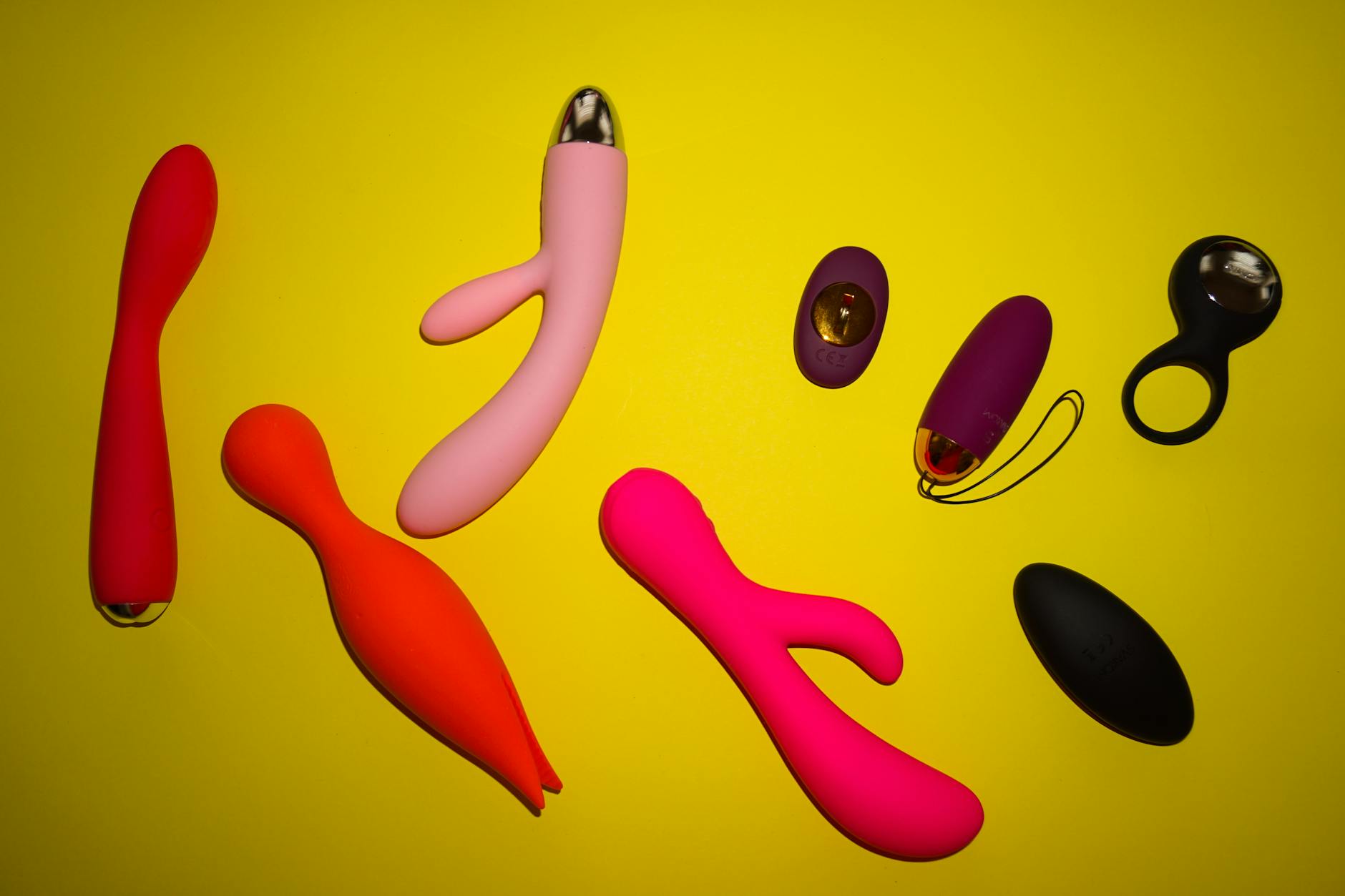
Photo by DRT.fm on Pexels
Building a rhythm over two to four weeks
If the first session felt neutral or slightly good, repeat it two or three times before escalating anything. Your body needs repetition to believe the situation is actually safe. This is not slowness for its own sake. This is neurological logic.
After a few sessions at the lowest setting, try moving to pattern two or increasing intensity slightly. Not because you have to, but because you're curious. Notice whether your arousal builds more quickly, or whether you're still in neutral. Again, both are normal.
By week three or four, most people find that their body is responding more readily. Arousal builds faster. Sensation feels sharper. This is your nervous system coming back online. It's working. Keep going at whatever pace feels like play, not effort.
What actually happens when you reintroduce pleasure slowly
Your pelvic floor relaxes more. Your breathing deepens without you thinking about it. You might notice that you're having small moments of real arousal, not just mechanical stimulation. These moments matter. They're proof that the circuitry is still there.
Most importantly, you're rebuilding your internal narrative. Instead of "Will my body remember how to do this?", you're writing a new story: "My body remembers. It just needed time and the right conditions."
Some people find that their first orgasm after a long break feels different. Subtly, not drastically. A little softer or more diffuse. This is temporary. Your body will recalibrate. The neural pathways are warming up again.
How to handle awkwardness if you're with a partner
If you're easing back into intimacy with someone new or after reconnecting with an existing partner, consider doing solo work with your lemon vibrator first. This isn't about secrecy. It's about removing the pressure of someone else's expectations while you're rebuilding.
When you do bring a partner into this, be honest about what you need. "I'm still reconnecting with my pleasure. Slow is actually best right now." Most partners respect this. If they don't, that's information too.
If you want to use your lemon vibrator with a partner present, that's equally valid. Some couples find that introducing a vibrator together actually accelerates reconnection because it removes the pressure for the partner to "do it right." The vibrator is the tool. You and your partner are observers and participants together.
When to know you're ready to explore more
The signal is consistent. After three or four weeks of regular solo use, if arousal builds naturally and orgasms come without forcing, you're ready to experiment with different patterns, longer sessions, or partnered exploration.
You're not ready if sessions still feel obligatory or if your body feels numb. If that's happening past week four, check in with yourself about what you actually want. Sometimes our bodies are protecting us from something that needs attention. Sometimes a medical factor is at play. A therapist or gynecologist is the right person to talk to if pleasure stays absent.
The emotional reset that happens alongside the physical one
Here's what surprises most people: rebuilding pleasure isn't just a body thing. As your physical capacity for sensation returns, your emotional state often shifts too. You remember that you deserve pleasure. You realize that your sexuality isn't something you lost. It was just dormant.
This is why lemon vibrators matter for this particular life transition. They're not just about the physical sensation. They're permission structures. They're saying: "Your pleasure is worth time. Your body is worth attention. Reconnection is possible."
Give yourself at least four to six weeks of consistent, low-pressure exploration. Not because you have to, but because your nervous system needs that much time to genuinely believe the reset is real.
Frequently asked questions
How long does it usually take for pleasure to feel normal again after a long break?
There's no universal timeline, but most people notice meaningful changes between three and eight weeks of consistent, pressure-free exploration. Some people rebound faster. Others need more time. The variable isn't your body. It's usually the amount of emotional recovery needed alongside the physical reset. If you're still grieving a relationship, your pleasure response will be muted longer than if you're reconnecting with yourself after a purely physical break.
Is it normal to feel nothing in the first few sessions with a lemon vibrator?
Completely normal. After time away, your clitoral nerve pathways are dormant, not dead. The first few sessions are often about acclimation, not arousal. You're teaching your nervous system that stimulation is coming and that it's safe. Pleasure usually follows after your body gets the message. If you feel nothing for more than four weeks of regular use, check in with a doctor to rule out hormonal shifts or medication effects.
Can I use a lemon vibrator with a partner during this reconnection phase?
Absolutely. Some couples find it easier to reconnect with a vibrator present because it removes the pressure for the partner to "perform." Have a conversation first. Say something like, "I want to explore pleasure again, and I'd feel more confident with this tool. Can we try it together?" Most partners are relieved by the honesty.
What if I have pain during this reconnection process?
Stop and see a gynecologist or pelvic floor therapist. Pain during or after sex isn't something to push through. It can indicate vaginismus, pelvic floor tension, or other treatable conditions. Lemon vibrators are wonderful tools, but they're not a substitute for professional evaluation if pain is present.
Should I use lubricant with my lemon vibrator during this phase?
Yes, if you're returning after a long break. Your body may need extra lubrication while your natural response is rebuilding. Water-based lubricant works perfectly with silicone lemon vibrators. It reduces friction and often makes the experience more comfortable and pleasurable as your arousal ramps back up.
What if I feel guilty using a vibrator while reconnecting with my sexuality?
That guilt often comes from old narratives about pleasure being selfish or unnecessary. Reframe it. Using a lemon vibrator during this phase is an act of self-care. You're literally rewiring your nervous system to recognize that pleasure is safe and available to you. That's not selfish. That's healing.