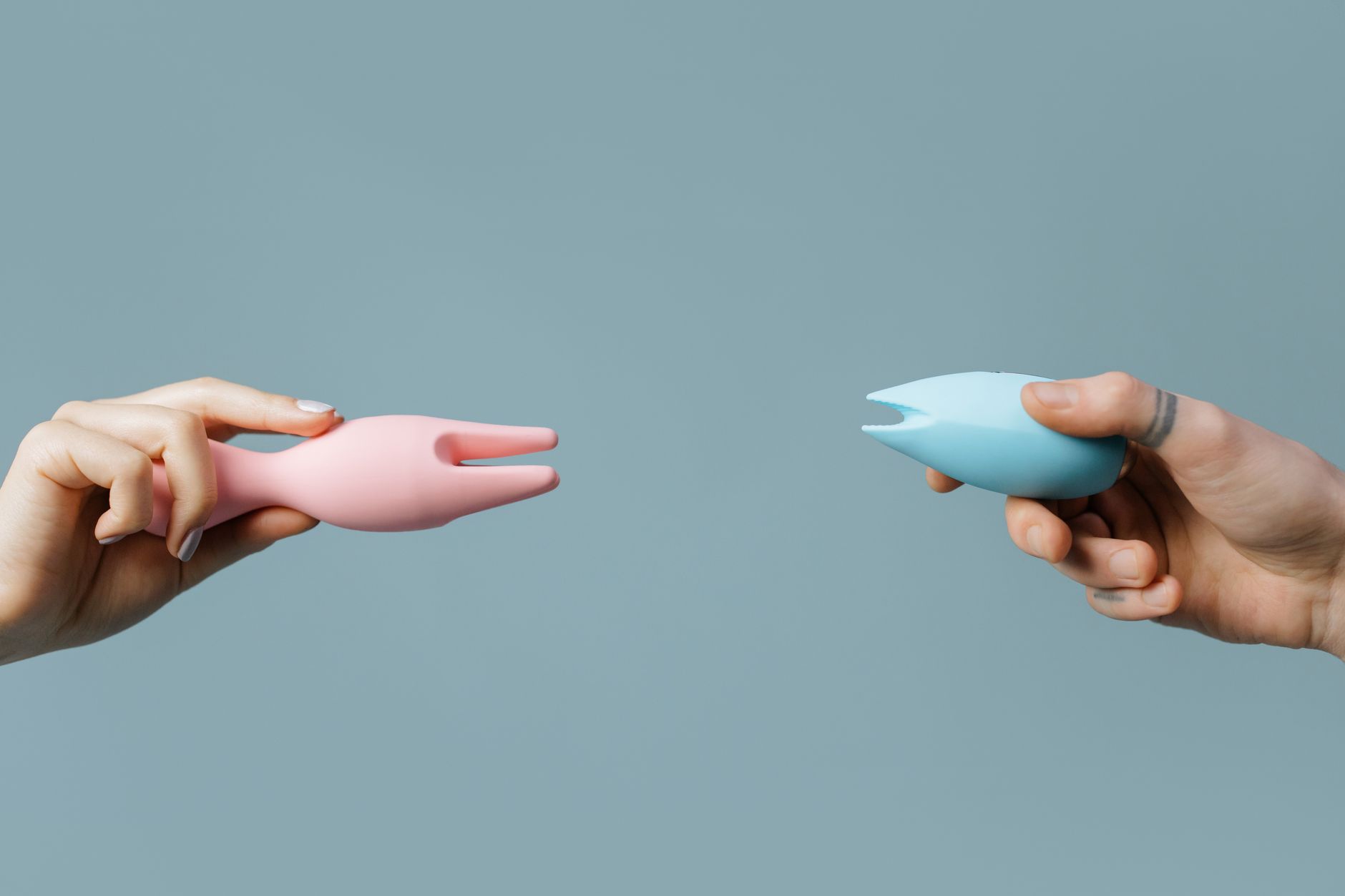
Let's start with the real thing
Your partner says you don't need a toy. What they usually mean is: I'm worried this means I'm not enough. That I've failed somehow. That a vibrator will replace me or prove you prefer it to me.
It's not actually about the toy. It's about fear. And that fear makes sense to name before you try to convince them otherwise.
Why partners resist vibrators
Most resistance comes from one of three places. The first is a misunderstanding about what toys do. Your partner might genuinely believe that vibrators are for women who can't come with a partner, or who have something "wrong" with them physically. They think introducing a toy is admitting defeat.
The second is ego. Sex has been coded as "the thing I do for you" and a vibrator introduces a variable your partner can't control. It's not rational, but it's human.
The third is cultural baggage. Many of us absorbed the message that needing outside tools means something is broken. That real sex should be "just the two of us." That wanting a vibrator is somehow unfaithful.
None of these are true. But they run deep, and dismissing them as stupid won't help.
The conversation that actually works
Don't lead with the vibrator. Lead with curiosity about pleasure.
Instead of "I want to use a vibrator because I need something you can't give me," try: "I've been thinking about what makes sex feel best for me, and I realized I want to explore that more. I'd like your help."
That shifts the frame from "me versus the toy" to "us exploring together." It positions the vibrator as a tool you're inviting them into, not a replacement.
Then be specific. The clitoris has about 8,000 nerve endings in a tiny area. Vibration stimulates those nerves differently than anything a hand can do. You're not saying his hand doesn't feel good. You're saying the vibrator accesses a different type of sensation. Both are true.
If he says "but I can make you come," the answer is simple: "Yeah, and I want to feel more. I want us to do this together."
How lemon vibrators change the conversation
Here's something interesting: clitoral vibrators like those from Lemon Massagers are specifically designed for external stimulation. They're not a replacement for penetration or partnered touch. They're an addition.
When your partner understands that you're not asking him to step aside, but asking him to participate in something that feels intensely good for you, the resistance often softens. The Lem's suction technology, for example, creates a sensation that's almost impossible to replicate with a hand. It's novel for both of you.
Say this: "I want to try this with you watching, or touching me while I use it. I want you to see what makes me feel good."
That invitation is powerful. It moves you from "I want privacy to use my toy" to "I want you to be part of this." It also works: many partners find that watching their partner with a vibrator is intensely arousing.
Making it less threatening
Start small. Don't ambush him with a high-tech lemon clitoral vibrator the first time. Maybe start with solo exploration first, then mention casually: "I tried something and it felt amazing. I want to show you."
Or use it together during partnered sex, not instead of it. Have him inside you, then use the vibrator on your clitoris while he moves. Most partners realize within minutes that this isn't about replacement. It's about intensifying something you're already doing together.
Let him hold it sometimes. Let him see the dial. Let him control the speed. Giving him some agency in the experience often dissolves the feeling that he's been sidelined.
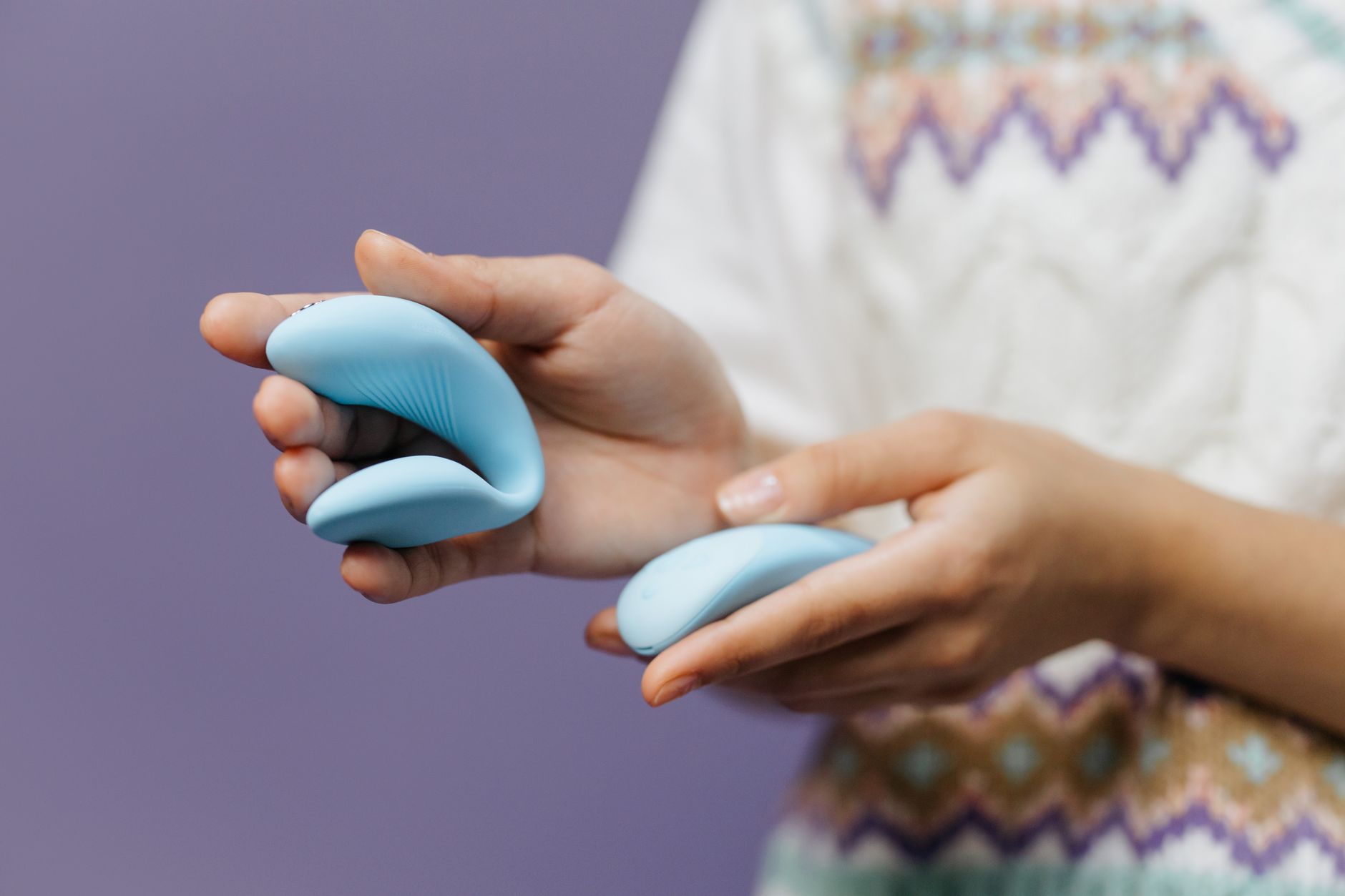 Photo by cottonbro studio on Pexels
The deeper pattern
Resistance to toys often signals a bigger conversation that needs to happen. If your partner thinks your pleasure isn't important enough to explore, that's separate from the vibrator question. That's about whether he's actually invested in your satisfaction.
Some partners dismiss toys because they're defensive about intimacy. Others do it because they genuinely haven't been taught that female pleasure is a shared project. Both deserve a direct conversation, not a sneak attack with a new toy.
If he's willing to have that conversation, most partners come around. If he's not willing to listen at all, that's information too. It tells you something about whether this is a partnership that can grow.
When it clicks
Manypartners who were skeptical become enthusiasts. They see how much their partner enjoys the experience. They realize that a vibrator has nothing to do with their adequacy. They understand that pleasure shared is pleasure multiplied.
Some start wanting to explore other things too. Some couples find that introducing a vibrator opens up conversations about touch, desire, and what actually feels good that they'd never had before. It becomes a doorway, not a threat.
Your pleasure matters. Full stop. And if your partner loves you, he'll eventually want to be part of that.
FAQ
What if he thinks vibrators are for women who can't come naturally?
Most women need clitoral stimulation to orgasm. That's not a deficiency. That's anatomy. A vibrator doesn't mean you can't come other ways. It means you're exploring what feels best. Plenty of women who orgasm easily with a partner still love how a vibrator feels because it's a different sensation entirely. You're not comparing. You're expanding.
Can I use a lemon vibrator with my partner if he's still not totally on board?
Yes. Your body, your pleasure, your choice. That said, trying it together at least once often dissolves resistance faster than hiding it. If he refuses to even watch or acknowledge that you're exploring your own pleasure, that's a separate relationship conversation worth having.
Does using a vibrator during sex mean I don't want him inside me?
No. Most couples use vibrators during penetration, not instead of it. The vibration on your clitoris while he's inside you often makes orgasm easier and more intense. It's not either/or.
What if he says a vibrator will make me "addicted" and unable to come without it?
That's not how bodies work. Using a vibrator doesn't rewire your nerves. You can still orgasm with a partner. You're not losing anything. You're gaining options. If anything, exploring what feels good makes you more in touch with your body, which usually makes partnered sex better, not worse.
How do I know if his resistance is normal hesitation or a sign of a bigger problem?
Normal hesitation sounds like: "I'm nervous about this" or "I don't understand why you need it." A bigger problem sounds like: "You shouldn't want this" or "If you use that, I'm done." One is curiosity wrapped in fear. The other is control. The difference matters.
Should I use a lemon clitoral vibrator alone first before trying it with him?
Yes, if you want to. Knowing how it feels, what speed you like, what pressure works for your body. all of that helps you guide him if he's willing to participate. Plus you'll come harder the first time, which is always nice.
The bottom line
Your pleasure isn't negotiable. How your partner responds to that says everything about whether he's actually invested in your satisfaction. Start the conversation with patience and specificity. Invite him in instead of hiding the vibrator. And if he refuses to even consider it, that's a relationship issue that goes way deeper than lemon vibrators.
Most partners come around. When they do, they realize that the threat was never real. The toy isn't replacing anything. It's just giving you another way to feel good. And if he loves you, he wants that for you.