How to Use Lemon Vibrators When Your Partner Thinks You Don't Need Them
The conversation nobody wants to have. Why your partner might feel threatened, what's actually true, and how to use a vibrator in a way that deepens connection instead of creating distance.
You want to introduce a vibrator. Your partner has made it clear: "I don't think you need one." The implication hanging in the air is worse than the words. It means they think they're enough. It means they think adding a toy means they're failing. It means they're scared.
Here's what I need you to know before we go further. Their fear is real. It doesn't make them right, but it makes them human. And the way you move through this moment will shape whether a vibrator becomes a wedge or a bridge.
When someone says "you don't need a vibrator," they're rarely talking about vibrators. They're talking about three things at once.
First, there's the ego threat. Somewhere in their head lives a narrative that their body should be enough. A vibrator, in this story, is evidence that they're not. That's not logical, but it's how anxiety works. Anxiety doesn't care about logic.
Second, there's a misunderstanding about pleasure. Many people genuinely believe that a vibrator replaces them. They think if you use one, you're choosing it over them. Nobody explained to them that a Lemon vibrator and a partner's touch activate completely different neural pathways. One isn't a substitute. They're a duet.
Third, there's cultural baggage. A lot of people grew up with the message that vibrators are sad, lonely, desperate things. That using one means something's wrong with your sex life. So when you bring one up, they hear: "Our sex life is broken." That's terrifying to hear, even if you didn't say it.
None of this makes sense logically. All of it makes sense emotionally.
This is the most important move you can make. The conversation isn't "I want a vibrator." The conversation is "I want us to expand what pleasure looks like between us."
One sounds like a complaint. The other sounds like an invitation. They're not the same thing.
Here's how to frame it without lying.
Start by naming what's working. "I love how your hands feel. I love how you touch me. That's not changing, and I don't want you to think this is about that not being enough." This isn't false reassurance. This is data. You're literally giving him information he needs.
Then name what you want to explore. "I've been curious about what it feels like to experience a different kind of stimulation. Not instead of you. Alongside you. With you." Notice: you're not saying his touch is insufficient. You're saying you're curious. That's actually true.
Finally, make it about the both of you, not just you. "I think it could actually be fun for us to try together. I'd like to show you what it feels like." This reframes it from a solo agenda to a shared experience.
The goal isn't to convince him you're right. The goal is to make the conversation feel safe for both of you.
Let's say he's still resistant. Here's what he actually needs to know, and how research backs you up.
A Lemon vibrator doesn't work by replacing sexual connection. It works by activating nerve clusters that respond to a different rhythm than hands or bodies can sustain. A vibrator operating at 100 pulses per second creates a stimulation pattern that your partner's body physically can't replicate. That's not romantic failure. That's physics.
Studies on couples who integrate toys show the opposite of what your partner fears. Couples who use vibrators together report higher sexual satisfaction and lower sexual dysfunction rates. They're not replacing each other. They're adding a tool that lets both people relax. When you're not working so hard to chase an orgasm, you can actually be present with your partner.
That matters. Presence beats performance every single time.
Timing is everything. Don't bring up vibrators during a conversation about sex not being good enough. Don't introduce one during an argument. Don't spring it on him mid-encounter.
Instead, bring it up when you're both relaxed and clothed. Maybe over coffee. Maybe while walking. When sex isn't about to happen, the stakes feel lower.
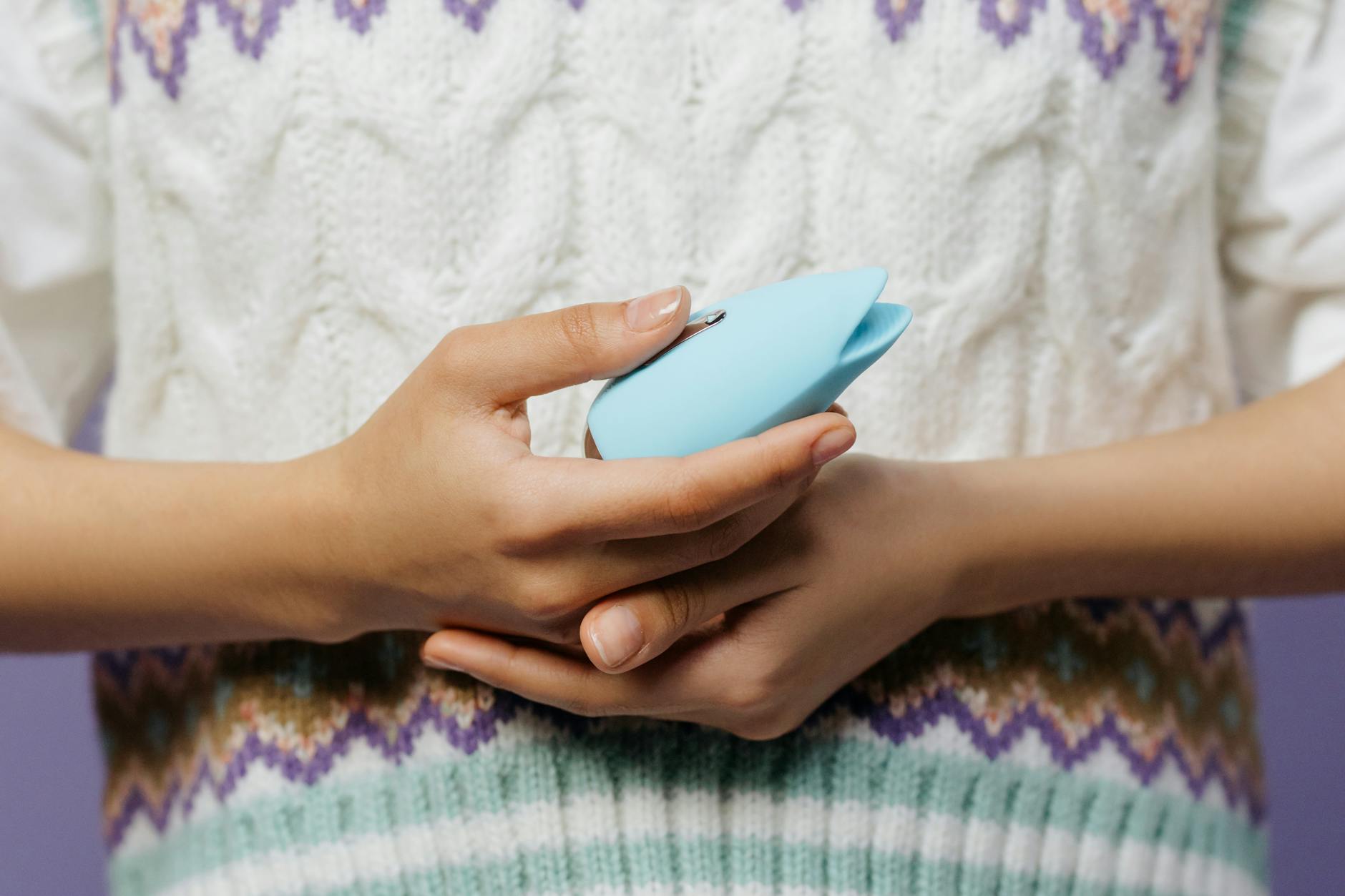
Let him see the actual device. The Lemon clitoral vibrator is elegant, understated, and looks like what it is: a tool designed with intention. Sometimes seeing it demystifies it. It's not a replacement. It's a thing. That sounds small, but it helps.
Offer to use it together first, with him in the room. This is a big deal. It removes the loneliness-of-vibrators myth. You're not hiding in a corner with it. You're inviting him to watch, to touch you while you use it, to participate. This is partnership.
If he's uncomfortable with that, he can start by just knowing it's there. Pressure will only entrench defensiveness.
Honestly? The first time is usually awkward. He might feel weird. You might feel self-conscious. That's normal and fine.
But here's what happens after the awkwardness settles. He realizes that when you're experiencing sustained stimulation from a Lemon vibrator, you relax. Your body stops clenching. Your mind stops working. You become fully present. And that presence is way more intimate than the performance anxiety that was there before.
Many partners report that it's actually hot to watch. Not because they've been replaced, but because they get to see their partner fully let go. And when you fully let go, you experience pleasure deeper and longer than you might alone. He gets to be part of that. That's a gift.
After a few times, it stops being "the vibrator thing" and becomes part of your normal repertoire. Like any other tool you use together.
Sometimes a partner will resist, and you'll need to decide how hard to push. This is the question only you can answer: How much does this matter to me? If it matters, there's a conversation to have that goes deeper than "can I use a vibrator."
It becomes: "I need to feel like my pleasure matters in our relationship. When you won't even consider tools that help me experience more of it, I feel like you don't actually care about my experience. I need that to change."
That's a big conversation. But it's honest. And sometimes the thing that shifts a partner's perspective isn't the vibrator at all. It's realizing that their resistance to it was actually a resistance to your pleasure mattering. That's something worth talking through, maybe with a couples therapist.
A good partner wants you to feel good. If someone consistently refuses to engage with anything that brings you pleasure, that's information about the relationship, not about the vibrator.
If he's agreed but reluctant, here are the moves that tend to work.
Start slow. Lower vibration patterns. Let him feel the device first. Let him control it, maybe. This shifts the dynamic from "you're using a toy" to "we're exploring something together."
Kiss while you use it. Hold his hand. Make eye contact. These aren't tricks. They're literally connecting you. They remind both of you that pleasure is happening between two people, not between you and a device.
Talk about what you're feeling. "That feels amazing. I love that you're here." Narrate the experience. This keeps him involved in your nervous system instead of watching from outside it.
After, actually talk about it. Not a big, heavy conversation. Just: "I liked that. Did you?" Vulnerability breeds more vulnerability. When he sees that you trusted him with your pleasure, he often softens.
Over time, the fear usually resolves. He realizes the vibrator isn't a threat. You're still choosing him. You're just choosing yourself too, and that's actually sexy.
### Why does my partner think vibrators mean something's wrong with our sex life?
Most people grow up without any positive messaging about vibrators. They hear jokes, innuendo, shame. So when a partner brings one up, they don't think "oh, innovation." They think "oh no, something's broken." It's worth directly stating: "This isn't because something's wrong. It's because I want to explore more. With you."
### Can using a vibrator with my partner actually make us closer?
Yes. When you invite a partner into your pleasure, you're being vulnerable. You're showing them what you need. You're asking them to be part of something intimate. That builds trust and connection. Plus, watching someone you love fully let go is actually bonding.
### What if my partner is jealous of a vibrator?
Jealousy usually points to deeper insecurity. It's worth exploring: What does he think a vibrator means about him? What story is he telling himself? Sometimes naming that story directly helps. "I think you're worried this means you're not enough. But you're not being replaced. You're being invited in."
### Is it normal to use a vibrator during partnered sex?
Completely normal. Many people need sustained, specific stimulation to orgasm. Partners' hands and bodies can't maintain that intensity for 20+ minutes straight. A vibrator isn't cheating. It's a tool that lets both people relax and enjoy the experience together.
### How do I convince my partner that a Lemon vibrator is different from other toys?
Show him. Let him hold it. Explain the design. Maybe even look up the reviews together. But here's the thing: the device matters less than the conversation. A Lemon clitoral vibrator is elegant and thoughtfully designed, sure. But the real persuader is you being calm and clear about what you want and why. That matters more than the brand.
### What if my partner wants to use the vibrator on me but I want to use it myself?
Both are valid. You can take turns. You can both hold it. You can hand control to him sometimes. The point isn't to find one "right" way. The point is to talk about what feels good to both of you and keep checking in. If he wants control and you want autonomy, that's a conversation worth having, because it might point to something bigger about power and pleasure in your relationship.
Your partner's resistance isn't about the vibrator. It's about fear, and it's about what he thinks pleasure means for your relationship. When you move through this with honesty instead of defensiveness, you're not just introducing a tool. You're teaching him that your pleasure matters, that pleasure is collaborative, and that wanting more doesn't mean he's not enough.
That's actually what deepens intimacy. Not the vibrator. The conversation.
If you want to talk through this more or need support navigating a specific dynamic in your relationship, reach out to us. That's what we're here for.