You want suction. Your partner wants vibration. Or maybe it's the other way around. One of you is sensitive to intensity. The other needs real pressure to feel anything. This isn't a compatibility problem. It's just bodies being different, and it's wildly common.
The thing about pleasure is that it's not one-size-fits-all, even when the two bodies belong to people who love each other. And because most conversations about this happen late at night with some awkwardness attached, neither of you actually knows what the other person needs. You just know something feels off.
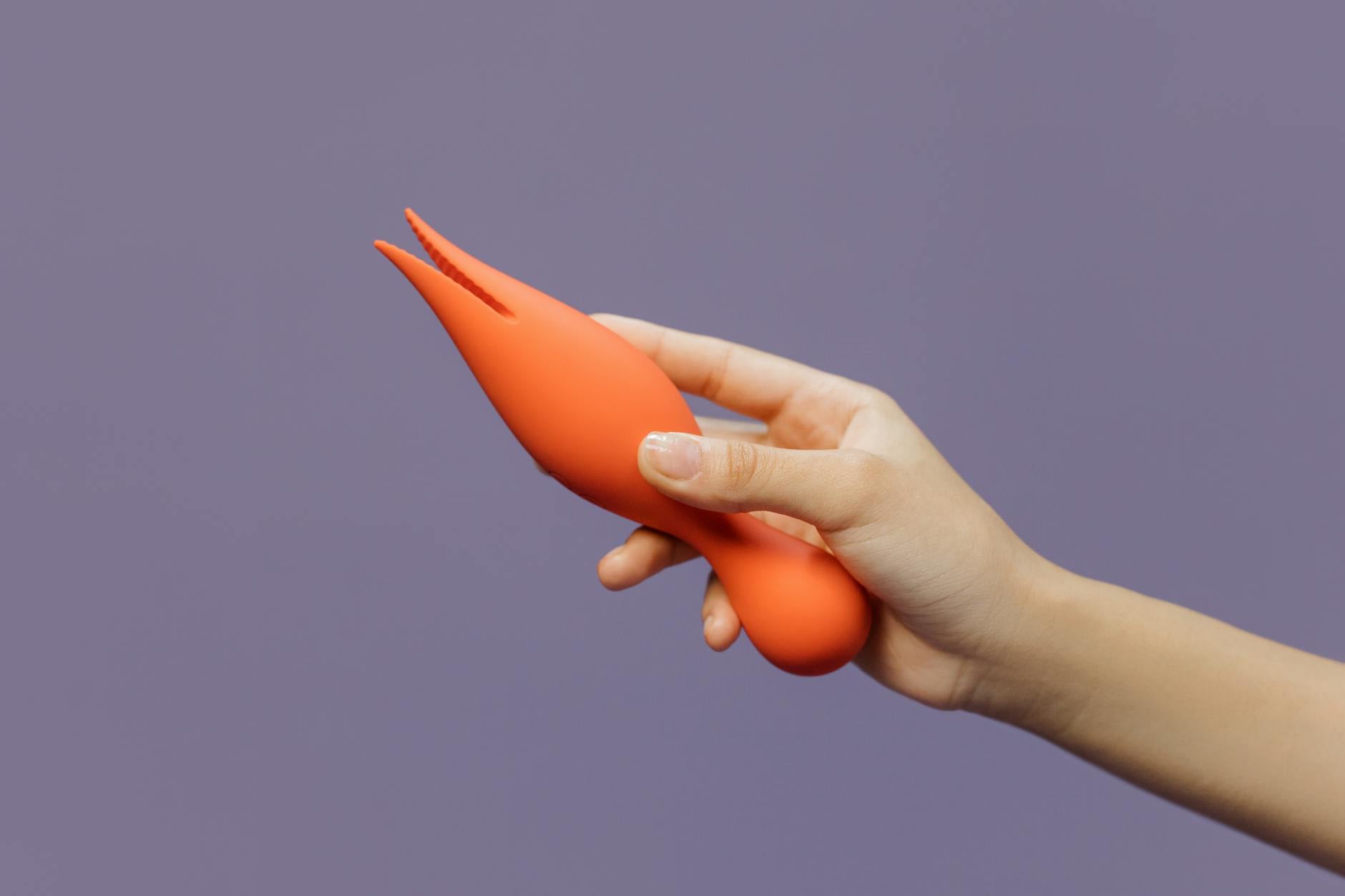
Here's the good news: lemon clitoral vibrators, particularly suction-based designs, are built to solve exactly this problem.
Two people can have entirely different pleasure maps and still have great sex. The issue isn't the difference. It's the shame around naming it.
Sensitivity varies wildly. Clitoral nerve density differs between people. Hormonal fluctuations change what feels good week to week. Some bodies respond to sustained pressure. Others need rhythm and pulse. Some people orgasm best with external-only stimulation. Others need internal sensation woven in.
When you're with a partner, the temptation is to assume you should both enjoy the same thing the same way. You don't. And trying to force compatibility is where most couples get stuck.
What makes lemon vibrators different is the suction technology. Unlike traditional vibrators that work through oscillation alone, a lemon sucker creates a gentle vacuum around the clitoris. This means one partner can use it at a lower suction setting for delicate, focused pleasure while the other uses a higher pattern for intense stimulation. Same device. Radically different sensations.
Before you even touch a lemon vibrator together, you need to separate pleasure from performance. That means naming what you each actually want without apology.
I ask my clients to fill in these three sentences individually, then read them aloud:
Let's say one of you is touch-sensitive and orgasms easily with light suction. The other needs sustained, firm pressure to reach climax. A lemon vibrator can work for both because the device offers:
Adjustable suction intensity. Start at level 1 or 2 for gentle stimulation. Increase to levels 5-8 for deep, powerful sensations. You don't need two different toys.
Multiple pulse patterns. Some patterns are slow and rhythmic. Others are rapid-fire. Some pulse in waves. Your partner might prefer steady intensity while you love variation.
Targeted application. The suction cup sits directly on the clitoris without requiring the manual pressure that can feel too intense for sensitive tissue. Your partner can use firmer hand techniques while you rely on the device itself.
When you're using a lemon clitoral vibrator together, you also get to control the experience in real time. If something's too much, you adjust the setting. If something's working, you stay there. It's responsive to what's actually happening, not locked into one mode.
Here's what I recommend to couples with different stimulation needs:
Warm up separately, then together. Take 10-15 minutes to discover what each of you enjoys solo with the device. When you reconvene, you both already know which settings feel good. You're not figuring it out in the moment with pressure on.
Use the device as a bridge, not a replacement. One partner uses the lemon vibrator while the other provides manual stimulation, touch, or penetration. This means both of you are actively engaged, not one person watching while the other gets all the sensation.
Start with the same intensity, then diverge. Begin at a medium setting you both tolerate. Then one partner stays there while the other increases or decreases to their own preference. You're synced but personalized.
Talk during, not after. "That's too much." "Go higher." "Slower." "Right there." These aren't mood killers. They're the difference between sex that feels good for both of you and sex where one person is quietly tolerating the other's rhythm.
This is the emotional layer that often goes unnamed.
One person feels guilty that they need more intensity than their partner. The other feels broken because they can't handle what seems "normal" to someone else. Both feel like they're doing something wrong.
Neither is true. Sensitivity is not a character flaw. Needing more stimulation isn't greediness. These are just nervous systems being different, and a lemon vibrator makes that difference workable.
What helps is reframing the conversation. Instead of "My partner wants X and I want Y and something's wrong," try "We have different pleasure profiles and we're learning how to honor both." One lemon sucker can do that. A traditional vibrator often can't.
When couples move from fighting about pleasure preferences to actually accommodating them, something shifts. The resentment lifts. The shame evaporates. You stop feeling like you're failing each other.
I've worked with many couples who thought their mismatch meant incompatibility. They'd tried standard vibrators and ended up with the same fight. Then one partner got a lemon vibrator, they had an actual conversation about what each needed, and suddenly intimacy became about meeting each other where you actually are, not where you think you should be.
That's not a small thing. That's the difference between tolerating your sex life and loving it.
If you've had this conversation, tried using lemon clitoral vibrators together, adjusted for different preferences, and one or both of you still feel disconnected, that's worth exploring with a sex-positive therapist. Sometimes the stimulation gap is actually about emotional distance. Sometimes it's about unspoken resentment or control. A device can't fix those things.
But nine times out of ten, the issue is just that you're two people with different bodies trying to share one experience without acknowledging the differences. A lemon vibrator, used with honesty and willingness, solves that.
One device works fine if you're comfortable sharing and cleaning it properly between uses. That said, many couples find it easier to each have their own. You can use different settings without negotiating, and there's zero hygiene concern. It's also less pressure during sex if you're not coordinating who holds it.
This is worth naming directly. A lemon vibrator isn't a replacement for your partner. It's a tool that lets your bodies communicate what they actually need. Frame it as "This helps me feel what I really like, which means I can enjoy sex with you more." Most partners soften once they realize the device makes you more responsive and engaged, not less.
Not in the way you're worried about. Clitoral stimulation doesn't permanently dull sensation. What can happen is that you become adapted to a particular intensity, the same way your ears adjust to background noise. That's solved by varying patterns, taking breaks, and mixing lemon vibrators with other types of touch. You won't lose the ability to feel.
Start with curiosity, not criticism. "I've been reading that lemon vibrators work differently because of the suction thing. I'm curious what that would feel like for you." Curiosity is collaborative. Criticism feels like blame. One opens the conversation. The other shuts it down.
Solo pleasure and partnered pleasure are different. They serve different needs. You can absolutely use a lemon vibrator alone and also together. It's not either-or. Most couples find that partners who explore solo develop better self-awareness, which actually improves partnered sex because they know what they like and can communicate it.
Partially. A device can make sex feel better, which sometimes increases desire. But if libido mismatch is the root issue, that usually needs a broader conversation about stress, connection, hormones, and relationship dynamics. A lemon vibrator is a tool for pleasure, not a fix for deeper compatibility questions. You might explore how lemon clitoral vibrators work for stress-related tension during intimacy to understand the connection better.
Two people with different stimulation needs can absolutely have amazing sex together. It just requires three things: honesty about what your body actually wants, willingness to try tools that accommodate different preferences, and the understanding that meeting your partner where they are is not compromise. It's love.
A lemon vibrator makes that possible because it's flexible enough to work for different bodies at the same time. One device. Two very different experiences. Both completely valid.
That's the whole thing, really. Your pleasure doesn't look like your partner's pleasure, and that's not a problem to solve. It's a fact to work with.
If you're ready to figure out what works for both of you, start with that conversation. Then let the tool do what it's designed to do: meet you where you actually are.