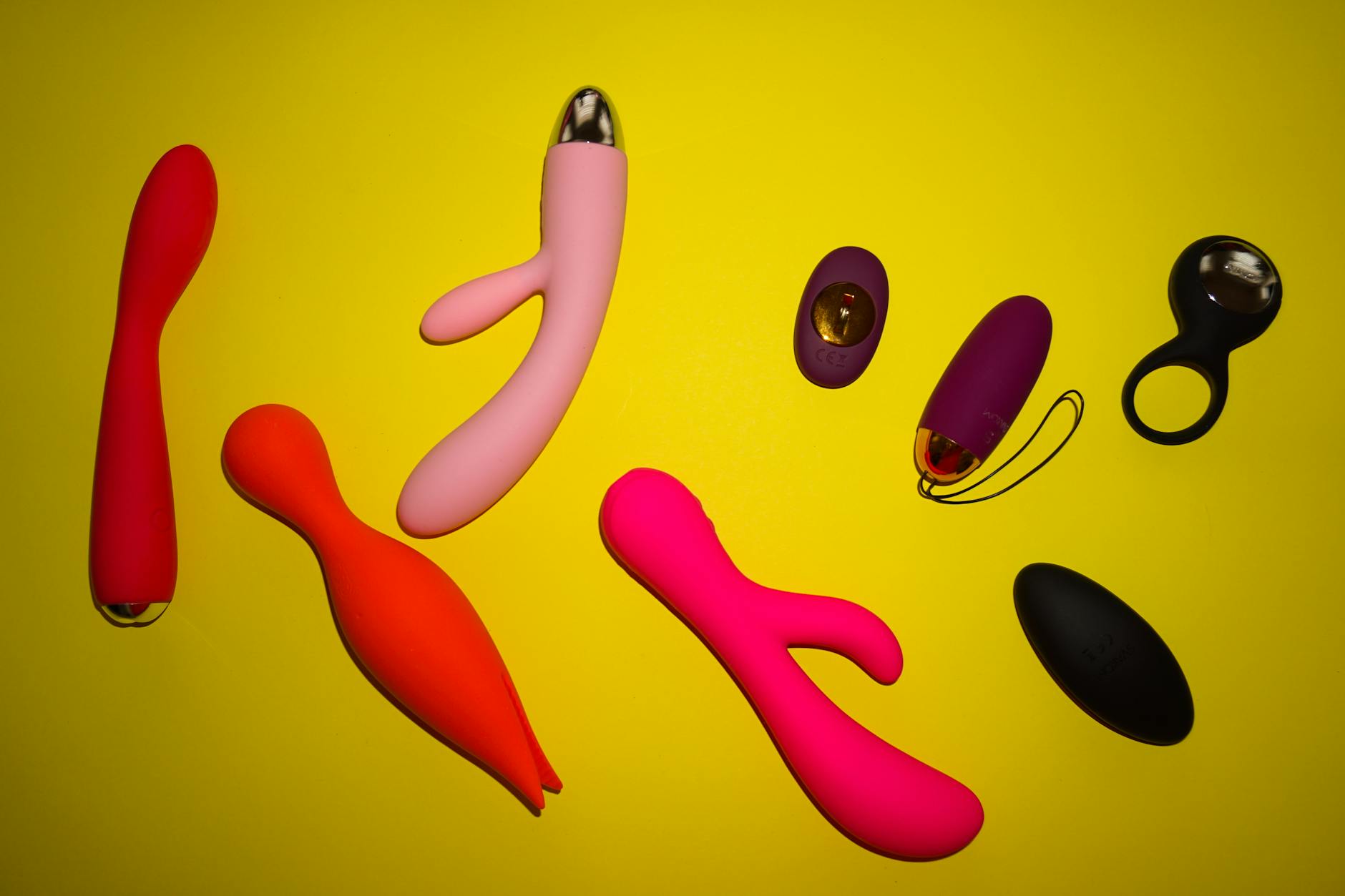
Why Lemon Vibrators Work Better for Stress Related Tension During Intimacy
When your nervous system is locked in fight-or-flight, arousal becomes impossible. Here's how the right clitoral vibrator can reset your body and reclaim pleasure even when life is chaotic.
Your body doesn't know the difference between the stress of a work deadline and a threat to your survival. When your nervous system is activated, it's activated. Blood vessels constrict. Your clitoris basically goes offline. Lubrication stops. You're essentially locked out of arousal mode, no matter how much you want to be present.
Then you add the guilt layer. "I should want this. My partner is here. Why can't I just relax?" That spiral makes everything worse.
I see this constantly in my practice. High-functioning people. Ambitious people. People carrying genuine stress (caregiving, work pressure, relationship worry) who arrive at the bedroom running on empty. They're not broken. They're dysregulated.
Arousal isn't a thought. It's a physiological state that depends entirely on your parasympathetic nervous system being online. That's your rest-and-digest mode. But if you're running on cortisol and adrenaline all day, your sympathetic nervous system (fight-or-flight) stays locked in the driver's seat even when you're theoretically trying to have sex.
Your clitoris needs blood flow, nerve activation, and time to swell and become sensitive. None of that happens when you're tensed up. The tissue stays flat, the nerves stay quiet, and what might normally feel amazing feels numb or uncomfortable instead.
This is why traditional solutions fail. You can't "relax" on command. You can't think your way out of a nervous system state. What you need is a tool that works WITH your body's current state, not against it.
Lemon clitoral vibrators use gentle suction and pulsing patterns rather than direct vibration. This matters more than you'd think when you're stressed.
Direct vibration on tense tissue feels like noise. Your already-overwhelmed nervous system registers it as more input, more stimulation, more demand. The sensation gets lost in the static.
Suction works differently. It creates rhythmic waves of pressure and release. Your nervous system recognizes this pattern as safe, rhythmic, and predictable. The same way a consistent drumbeat can calm you down, the pulsing sensation of a lemon vibrator actually helps downregulate your stress response.
Over about 10-15 minutes, something shifts. The tissue starts responding. Blood flow increases. Sensitivity returns. But it happens gently, not like flipping a switch.
I talk about nervous system regulation constantly in my practice because so many relationship issues actually start with dysregulation, not relationship problems. When one person is activated and the other isn't, sex becomes transactional or impossible.
Lemon vibrators come with specific pulsing patterns (usually around 5-7 pulses per second in lower settings). That frequency is in the range that human nervous systems find regulating. It's not accidental. It's biomechanical.
Your nervous system responds to predictable rhythm. A partner's touch, no matter how good, is unpredictable. Pressure changes. Speed varies. Your brain has to stay vigilant. A consistent, gentle pulse from a clitoral vibrator does the opposite. It tells your nervous system "this is safe, this is stable, you can let your guard down."
There's real tension, and there's stress-related tension. Real tension (pelvic floor dysfunction, trauma history) is a separate beast that deserves its own approach. But stress-related tension is different. It's the clench you hold when your shoulders are up by your ears. It's the tightness that comes from carrying emotional weight.
You might feel it as numbness in your clitoris, even when you're being stimulated. Or as a feeling of pressure without pleasure. Or as a reflexive pulling-inward that makes touch uncomfortable. Some people describe it as a wall between their body and any sensation at all.
This is your pelvic floor literally bracing. It's a protective mechanism. When you're running on stress hormones, your pelvic floor tightens the same way your jaw does. You might not even notice it until someone tries to touch you and you realize nothing's working down there.
A lemon vibrator doesn't force relaxation. But it does give your nervous system permission to stand down. The sensation is pleasant enough to matter, consistent enough to be trust-building, and gentle enough to not feel like another demand.
Timing matters. You're not trying to jump straight into sex. You're trying to reclaim your body.
Start solo. Before your partner is involved, spend 15-20 minutes with a lemon vibrator on the lowest setting. This is nervous system regulation practice. You're not trying to orgasm. You're just letting your body remember that pleasure is possible when you're not in full activation mode.
Let sensation build slowly. With a stressed nervous system, fast escalation feels demanding. Your body just wants a gentle return to baseline. Some of my clients use their lemon vibrator as a wind-down ritual, like a bath or meditation, but actually pleasurable.
If you're with a partner, you can involve them by using the vibrator together while they're close but not initiating. This keeps the focus on you and your sensation (which is what you need when you're stressed) while maintaining closeness (which helps with the relational piece).
Don't turn this into another performance goal. If an orgasm happens, great. If it doesn't, that's fine too. The win here is that your nervous system starts learning that pleasure is accessible even when life is chaos.
If you've been stressed for months, or if trauma is involved, sometimes the nervous system needs more than a vibrator can offer. A therapist who understands somatic work (body-based therapy) can help you actually process the stress and tension rather than just managing it.
I also recommend checking in with your partner about the bigger picture. Sometimes the stress isn't about the relationship, but your partner's feeling distant or worried. That can add another layer of pressure that makes it even harder to relax. A conversation about what's actually happening (not blame, just honest reflection) can be surprisingly powerful.
And if you're using alcohol or other substances to "relax" before sex, that's a sign your nervous system needs actual help, not a workaround.
Here's what I want you to know. When life is overwhelming, pleasure is not a luxury. It's regulatory. It's medicine. It tells your nervous system that you're safe, that your body matters, that good things are still possible.
A lemon clitoral vibrator isn't a substitute for actually addressing the stress in your life. But while you're working on that (therapy, life changes, whatever needs to happen), you can still have access to sensation and pleasure. You can still feel your body. You can still experience arousal.