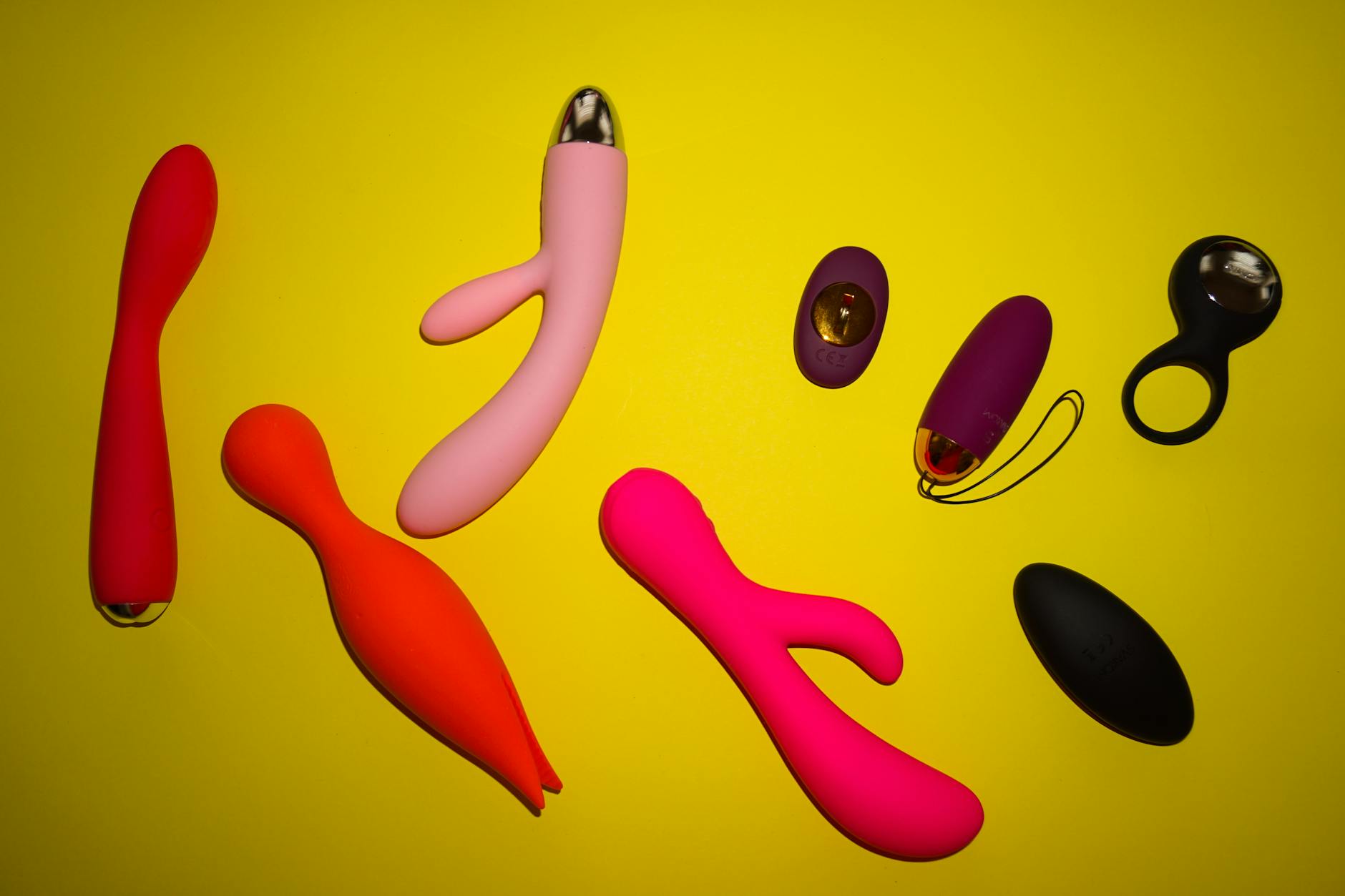
How to Use Lemon Vibrators in a New Midlife Relationship
You've done the hard work of leaving. You've built yourself back up. Now comes the tender part: learning to share pleasure with someone new. Here's how to introduce clitoral vibrators without killing the mood.
You know what you want now. You've lived enough to recognize bullshit from a distance. You're not performing for anyone. And the sex thing? That's either happening or it's not, but you're not pretending enthusiasm to keep the peace.
This is the cleanest foundation for bringing a vibrator into the mix. No performance pressure. No decades of unspoken resentment waiting to blow up the conversation. Just two people figuring out what works.
Except here's what nobody tells you: starting fresh at midlife also means you're both probably carrying some stuff about sex and toys from your past relationships. Your new partner might have had a partner who used vibrators. They might have never seen one outside of a joke in a movie. They might assume toys mean you're not satisfied with them. They might be wildly excited about the idea and have no idea how to bring it up.
None of those conversations happen unless you start them.
If you've both made it to midlife as independent adults, you've already survived the hardest part of being in a relationship: the illusion that vulnerability will ruin things. You know by now that the opposite is true.
That knowledge is your superpower here. When you can talk about desire without flinching, toys stop being a weird thing and become what they actually are: tools that help two people enjoy each other more.
The other thing working in your favor is that neither of you is fresh out of a coming-of-age story. You're not figuring out who you are sexually. You already know. You might want to explore together, sure. But you're not discovering yourself through someone else. That takes an enormous amount of pressure off.
Don't wait until you're in bed. Don't try to surprise them with it. Don't make a grand gesture. Just... talk about it.
Here's how I'd frame it with a new partner:
"I've been thinking about us and what feels good. I'm interested in exploring more together, and that might include toys at some point. How do you feel about that?" That's it. Direct. Low-pressure. Open-ended.
Their answer tells you everything. If they light up, you've got a green light. If they hesitate, ask what they're thinking. Maybe they've never used one. Maybe an ex had a weird relationship with toys that made them uncomfortable. Maybe they're worried it means you're not satisfied. All of those things are fixable with conversation.
What's not fixable is bringing a vibrator into the bedroom without talking about it first. That's a trust violation, even if your intentions are good.
This is where your midlife maturity actually matters. You're not here to convince them toys are good. You're here to understand what they're afraid of and address that specific fear.
Common ones: "Will it replace me?" "Does this mean you're not happy with our sex?" "Aren't toys for people who are alone?" "I don't want anything weird or extreme."
They all have the same answer underneath: you want more of them, not less. You want to feel better together, not find an alternative to them.
How I'd say it: "I love what we have. I'm interested in this because it feels good and because I want to explore it with you. Not instead of you. With you."
Then let them sit with that. You don't need to sell them. If they're genuinely uncomfortable, that's real information you need to respect. But most people, once they feel heard instead of convinced, move toward curiosity.
When you're ready to bring a lemon vibrator into the experience, make it casual. Not "we need to talk about a special thing" casual. More like "I got this, want to try it together" casual.
Let them hold it. Let them see how it works. Vibrators are way less intimidating when you're not performing under pressure and they're not shrouded in secrecy.
Start with it as something that helps you feel more. Not something you need. Not something you're addicted to. Just: "This helps me feel things I like, and I'd love for you to be part of that."
If you're using lemon clitoral vibrators or any suction-style toy, that's especially good for this moment because it's not mimicking anything. It's its own thing. It's not a power dynamic issue. It's just pleasure.
Let them explore how it works on you, if they want. Some partners become fascinated with the mechanics. Some prefer to focus on the sensation. Both are fine.
If your partner becomes fixated on the idea that they should make you come with the toy while they're inside you, gently push back. That's performance pressure from a different angle. The point isn't that you're both doing something impressive. The point is that you both feel good.
Some new-relationship couples get into a groove where the toy becomes the star of every encounter. That's okay sometimes, but eventually you want to remember what sex feels like without it too. Use it when it serves you, not out of obligation.
If your partner starts making comments about needing to "live up to" a vibrator or worrying about their performance, take that as a sign that you need to do another round of reassurance. This isn't actually about the toy. It's about them feeling secure in the relationship.
When you're building something new at midlife, toys can become part of the architecture of intimacy instead of something that creates distance. They're on the table because you can talk about pleasure without shame. That's rare and valuable.
That said, don't let toys become the primary way you connect. The foundation of good sex at any age is presence. Eye contact. Attention. The vibrator is an ingredient, not the whole meal.
If either of you has been carrying shame about pleasure for decades, that's worth doing some real work on before you bring toys in. Not because there's anything wrong with them, but because unresolved shame tends to corrupt good things. That's where talking to a real therapist can matter more than talking to the internet.
That belief usually comes from one place: they've seen relationships where toys arrived as a band-aid for deeper problems. You're in a different situation. You're introducing this early, not out of desperation, but because you're building something intentionally. Name that difference explicitly. "We're not trying to fix anything. We're just exploring together." Often, once they see that framing, the worry dissolves.
Not even remotely. You know what's actually weird? Waiting five years and then springing it on someone. The earlier you're honest about what you like, the better the foundation. Midlife relationships have the advantage of not needing to perform long courtship dances. You can just be real from the start.
Let them. But have opinions. Some partners think showing up with a gift means they get to pick the features. That can backfire if they choose something that doesn't fit your body or your preferences. A better frame: "That's so thoughtful. Let me show you what I like, and we can pick something together." You're not rejecting their generosity. You're making sure it actually works for your body.
Before. Once you're in the moment, introducing a new variable can feel like a surprise twist that wasn't negotiated. That's unsexy. Having the conversation somewhere neutral, maybe over coffee or walking, gives you both time to sit with the idea and feel good about it.
That sometimes happens, and it's not a sign of a broken relationship. It's just anatomy and chemistry. Some bodies need certain types of stimulation to reach that peak. The question isn't whether you should rely on it. The question is whether both of you are satisfied with your sex life overall. If the answer is yes, there's nothing to fix.
You don't, completely. But you can watch how they respond to your boundaries and your pleasure in other areas of life. Someone who respects your autonomy about money, friendships, and work usually respects it about pleasure too. If you're seeing red flags in how they handle your independence, toys won't fix that.
The thing about midlife relationships is you don't have time for slow reveals of character. You're paying attention. Trust that.
Starting something new at midlife gives you a rare gift: the chance to build a sexual relationship without carrying decades of unspoken hurt. You know what you deserve. You know what you like. You know how to ask for it.
A vibrator isn't going to wreck that if you're thoughtful about how you bring it in. More often, it becomes one of the things that deepens trust because you learned to talk about desire without flinching.