You started antidepressants, switched birth control, or began a new medication for something totally unrelated to sex. Then your orgasm went missing. Not gone forever. Just absent. And the thing is, nobody told you this would happen, even though it happens to millions of people every year.
SSRIs (antidepressants like sertraline or paroxetine) are the most common culprit. They work by increasing serotonin in your brain, which is great for mood. But they also dull the nerve pathways involved in arousal and orgasm. Some people experience delayed orgasm. Others feel almost nothing.
Birth control hormones can do the same thing by altering blood flow and dampening dopamine, which is your body's pleasure chemical. Blood pressure meds, some antihistamines, even certain acne treatments can reduce sensation.
Here's what matters: this is a side effect, not a character flaw. And unlike some medication side effects that demand switching drugs or stopping therapy, reduced sensation is genuinely manageable without ditching the medication you need.
When sensation is dampened by medication, the clitoris needs more stimulation to wake up. That's where most people get stuck. Manual stimulation takes forever. A partner's hand cramps. Traditional vibrators buzz at one speed and require constant direct pressure. After fifteen minutes, nothing happens, frustration builds, and you give up.
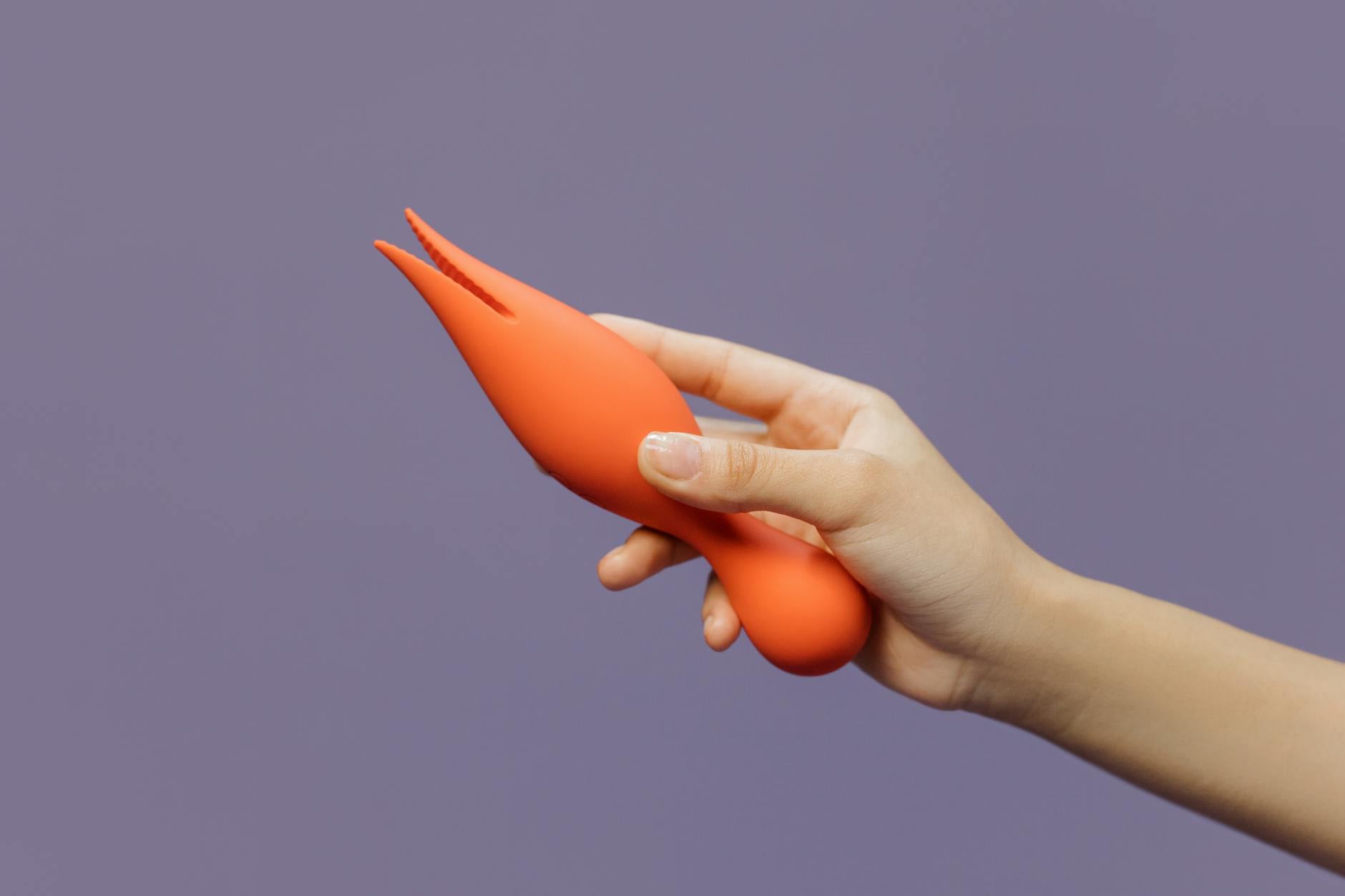
Lemon clitoral vibrators work differently. The suction and pulsing action creates a broader stimulation pattern that recruits more nerve endings at once. You're not relying on raw sensation intensity. You're using mechanical amplification to compensate for what medication has muted.
Think of it this way: if your medication turned down the volume on sensation, a Lemon vibrator turns up the microphone.
First: don't switch medications without talking to your doctor. I know the impulse. But most mental health meds, birth control, and chronic illness treatments are doing something important. The fix isn't stopping them. It's working around the side effect.
Second: start with pattern exploration, not intensity. This matters more when sensation is already muted. Set a Lemon vibrator to pattern 2 or 3 (not max power). Let your body adjust for 30 seconds. Then move to pattern 4. Work your way up. The pulsing patterns often work better than steady vibration when arousal is struggling.
Third: build in actual warm-up time. When medication dampens your response, you need 15-25 minutes of partnered or solo stimulation before attempting orgasm. This isn't laziness. It's physiology. Your arousal is taking longer to register, so giving it time to build is non-negotiable.
Fourth: add lubrication, always. Medication that reduces arousal also reduces natural lubrication. Use a generous amount of water-based lube. This reduces friction that can feel uncomfortable and lets sensation come through more cleanly.
If you're on SSRIs, ask your doctor about timing. Some people find that taking their SSRI at night instead of morning means better sensation during daytime sex. Others ask about drug holidays (taking a day off weekly). Some doctors will switch you to a different class of antidepressant with lower sexual side effects. Others will add bupropion (Wellbutrin), which actually increases dopamine and sometimes counteracts the numbing.
With birth control, hormonal options vary wildly. The pill that kills your orgasm might not affect a friend at all. Some people find copper IUDs preserve sensation better than hormonal versions. Some switch to a lower-dose pill. Having this conversation with your gynecologist is worth the awkwardness.
The point: your healthcare provider needs to know this is happening. Not because they have an easy fix, but because together you can explore options that don't mean choosing between your mental health and your sex life.
Sometimes sensation is so muted that even a clitoral vibrator doesn't cut through. That's when you add other elements. A partner touching your breasts while you use a Lemon vibrator. Erotic audio or visual content to engage your brain, which matters more than sensation when sensation is compromised. Temperature play (ice, warm breath). The goal is to create input from multiple sensory channels so your brain registers arousal even if one channel is muted.
Some people find that partnered use of a lemon clitoral vibrator changes the dynamic. Your partner holding it, controlling the pattern, adds psychological arousal that compensates for physical numbness. This is especially helpful when you want to build arousal slowly with a partner.
If you're in a relationship, this needs explaining. "My medication is making sensation hard" is different from "I don't want you" or "I'm not attracted to you." Partners often internalize reduced libido as rejection. They need to understand it's pharmaceutical, not relational.
This is a chance to be creative together. Using a lemon vibrator isn't a workaround for a broken sex life. It's a tool you're both learning to use. Some couples find that this situation actually deepens intimacy because they're problem-solving together instead of pretending everything's fine.
If you've been on medication for three months and sensation still hasn't returned, mention it at your next appointment. If the side effect is making you consider stopping medication you need, that's urgent. If you're experiencing pain alongside numbness, get it checked. Most medication-related sexual side effects aren't dangerous. Some require different solutions. Your doctor needs the full picture.
If you switch medications, sensation often improves in 4-6 weeks. If you adjust dosing, sometimes sooner. If you stay on the same medication, your body occasionally adapts on its own over months. But some people don't adapt. They need a different approach. Using a lemon vibrator isn't about waiting for sensation to magically return. It's about reclaiming pleasure right now, while you're on medication you need.
Your pleasure doesn't have to be collateral damage. It's negotiable.
No. Antidepressants don't create dependence on vibrators. They just require different stimulation to reach orgasm. When or if you change medications, your sensation likely returns. The vibrator isn't a permanent crutch. It's a bridge.
Yes, though you should start gently. Neuropathy and medication-induced numbness sometimes overlap. The suction-based design of clitoral vibrators like Lemon models can work well for diffuse numbness because they engage a broader area than traditional vibrators. Still, check with your doctor about your specific condition.
Tell them. Not in clinical detail. Just "my medication is affecting sensation, and we're going to try something different." Partners who care about you want to know why sex is changing. Keeping it secret creates confusion and distance.
Ten to twenty minutes if you're starting exploration. Your arousal takes longer to register. Be patient. Many people find that after a few sessions, their body learns to recognize the stimulation faster, and timing improves.
Nope. Some people keep using one because they prefer it. Others go back to their previous pattern. The vibrator isn't mandatory once the medication issue resolves. It's optional pleasure, not essential function.
Generally yes, but check your specific meds. If you're on blood thinners or have bleeding disorders, avoid anything that might cause micro-tears. If you have metal implants (though rare around the vulva), you might want to confirm compatibility with your device. When in doubt, ask your doctor or our team at /contact.
Medication is saving your life. Orgasms are part of living it. These two things aren't in opposition. You deserve both. Start with an honest conversation with your healthcare provider about what's happening. Then explore tools that work around the side effect. A Lemon vibrator is one of the most reliable ones. Your pleasure matters enough to problem-solve for it.