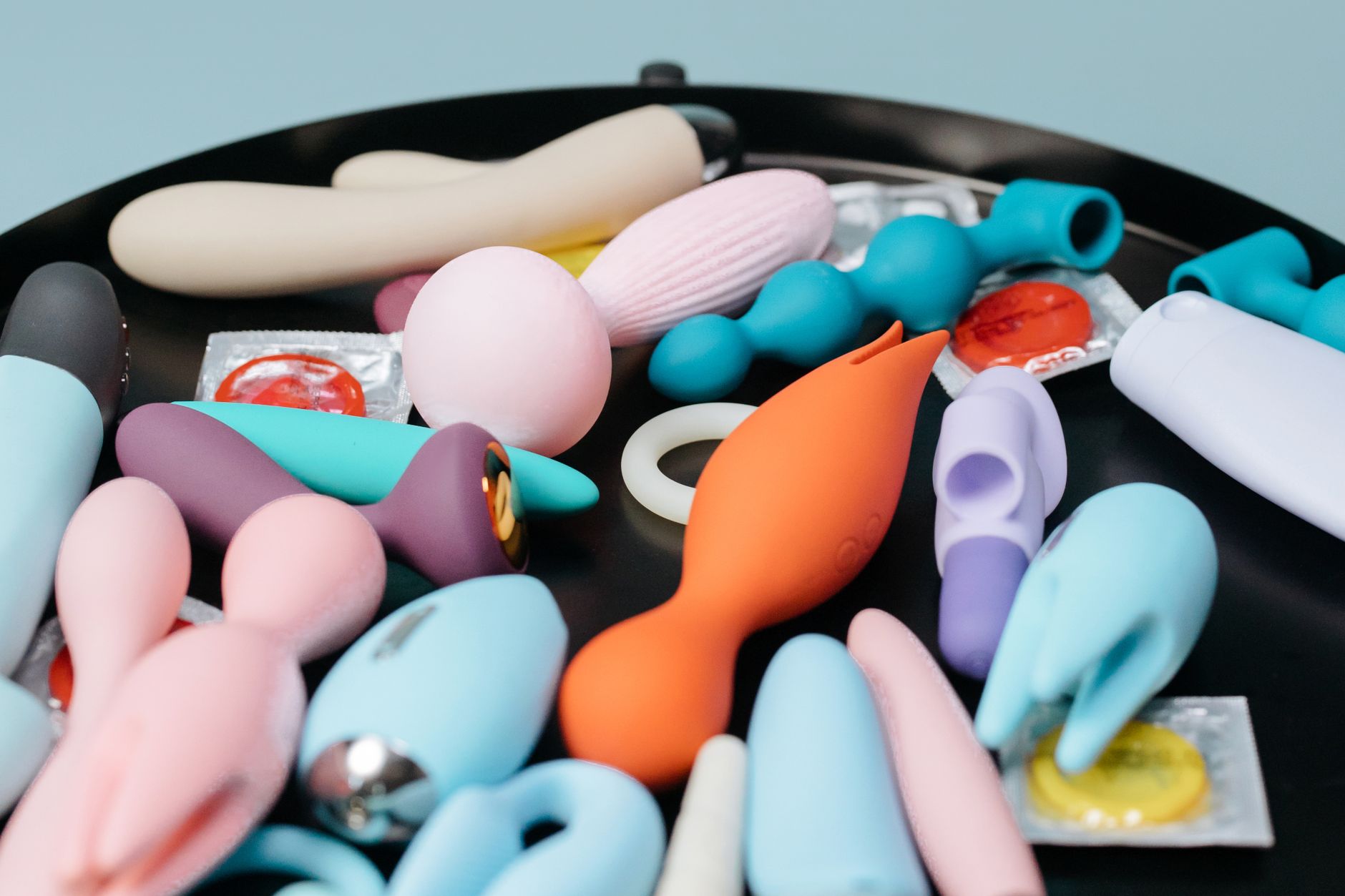
Let's talk about the surgery nobody plans for in bed
Hysterectomy. Laparoscopy. Endometriosis excision. Fibroid removal. C-section. These procedures reshape your internal landscape, and what happens to pleasure in the months after is rarely discussed in the recovery paperwork. Your doctor tells you when you can exercise again, when you can lift things, when penetration is "allowed." But they don't tell you that sensation might feel muted. That arousal could take longer. That your clitoris might feel like it's operating through a fog.
Here's what I want you to know first: this is real, it's temporary, and it's not a permanent loss of pleasure. Your body is healing. That's the operative word.
What actually happens to sensation after pelvic surgery
When a surgeon works inside your pelvis, they're working through tissue and nerve pathways that are intimately connected to arousal and sensation. This doesn't mean they've damaged anything permanently. It means your nervous system is in recovery mode.
Three things happen simultaneously during healing:
Inflammation creates a protective fog. Your body floods the surgical site with inflammation as part of the healing process. This swelling can temporarily mute sensation in nearby tissues, including the clitoris and labia. It's not numbness exactly, more like sensation is traveling through cotton.
Scar tissue forms differently than original tissue. As the incision heals, scar tissue develops. This tissue has fewer nerve endings initially, but those nerves rewire over time. Most people report that sensation improves dramatically between months 3 and 6 post-surgery, as those pathways reactivate.
Your nervous system is in protection mode. Even if the surgery wasn't in your pelvic region, trauma triggers the nervous system to downregulate arousal. This is a survival mechanism. Your brain is saying, "We're healing, not reproducing." That protective response can persist even after physical healing completes.
The timeline varies wildly depending on what procedure you had. C-section recovery (sensation-wise) often takes 4-6 months. Hysterectomy can take 6-12 months for full sensation return. Laparoscopic procedures are usually shorter, 2-4 months. But individual variation is huge, and nobody can tell you exactly when your sensation will snap back into focus.
Why lemon vibrators are actually ideal for this phase
Most vibrators require direct pressure and sustained friction. If your tissue is swollen, tender, or oversensitive, that feels awful. It's too much, too intense, in the wrong way.
Lemon clitoral vibrators work through gentle suction, not vibration alone. This means they stimulate without requiring the kind of sustained pressure that feels aggressive on healing tissue. The suction creates a seal around the clitoris and gently draws blood to the area, which actually speeds up healing and sensation recovery. It's stimulation that mirrors what your tissue needs at this stage, not what it needed before surgery.
The pattern options matter here too. Start at the lowest pattern and hold it there. You're not looking for the fastest route to orgasm. You're looking for sensation, for reactivation, for proof that your body still wants this.
The first month: micro-sessions and observation
Most surgical clearance for any sexual activity comes at 4-6 weeks post-op. But clearance to have sex and clearance to have pleasure are not the same thing. You can technically start exploring before you feel ready, and many people do. The gap between medical permission and actual readiness is where healing happens.
Start with 5-10 minute sessions. Don't aim for orgasm. Aim for sensation. Use your lemon vibrator at the lowest setting and notice what you feel. Does it feel good? Numb? Overwhelming? Itchy? Your job is to gather information about where your body is.
Do this alone. Remove the performance pressure entirely. No partner watching, no expectation of arousal, no need to communicate that it feels weird. It's just you learning your own body again.
Stop if anything hurts. There's a difference between sensation that feels unfamiliar (good sign, keep going) and sensation that feels sharp or burning (stop, rest, try again in a few days). Pain is your nervous system saying no. Listen to it.
Keep a loose log. Nothing formal. Just "day 35: felt numb, barely noticed the vibration." "Day 42: sensation more obvious, felt pressure-like rather than good-bad." "Day 49: starting to recognize pleasure again." This log helps you see the progress that's happening underneath the fog.
Weeks 6-12: rebuilding arousal capacity
As swelling decreases and scar tissue begins its rewiring process, sensation should start to intensify. This is when you can start longer sessions. 15-20 minutes. You can actually be looking for pleasure now, not just sensation.
Warm up longer than you used to. Before surgery, you might have gone from zero to aroused in 5 minutes. Post-surgery, budget 10-15 minutes just for your body to remember what arousal feels like. Use your lemon vibrator slowly. Lower patterns. Let your nervous system gradually shift out of protection mode.
Introduce texture contrast. If you cleared this with your doctor, use water-based lubricant alongside your vibrator. The combination of suction plus slip creates a more complex sensation, which helps your nervous system distinguish between different types of stimulation again. This actually accelerates rewiring.
Notice where sensation is easiest. You might find that one side of your clitoris feels more responsive than the other. Or that you need to angle the vibrator slightly differently than before. Your body has changed, and it's teaching you its new preferences. This is normal and temporary.
If you want orgasms, chase them gently. By 8-10 weeks post-op, most people can feel orgasms building again. They might be less intense. They might feel like they're arriving in slow motion. They might feel weirdly numb at the moment of release. All of this is normal. Your nervous system is relearning its own script.
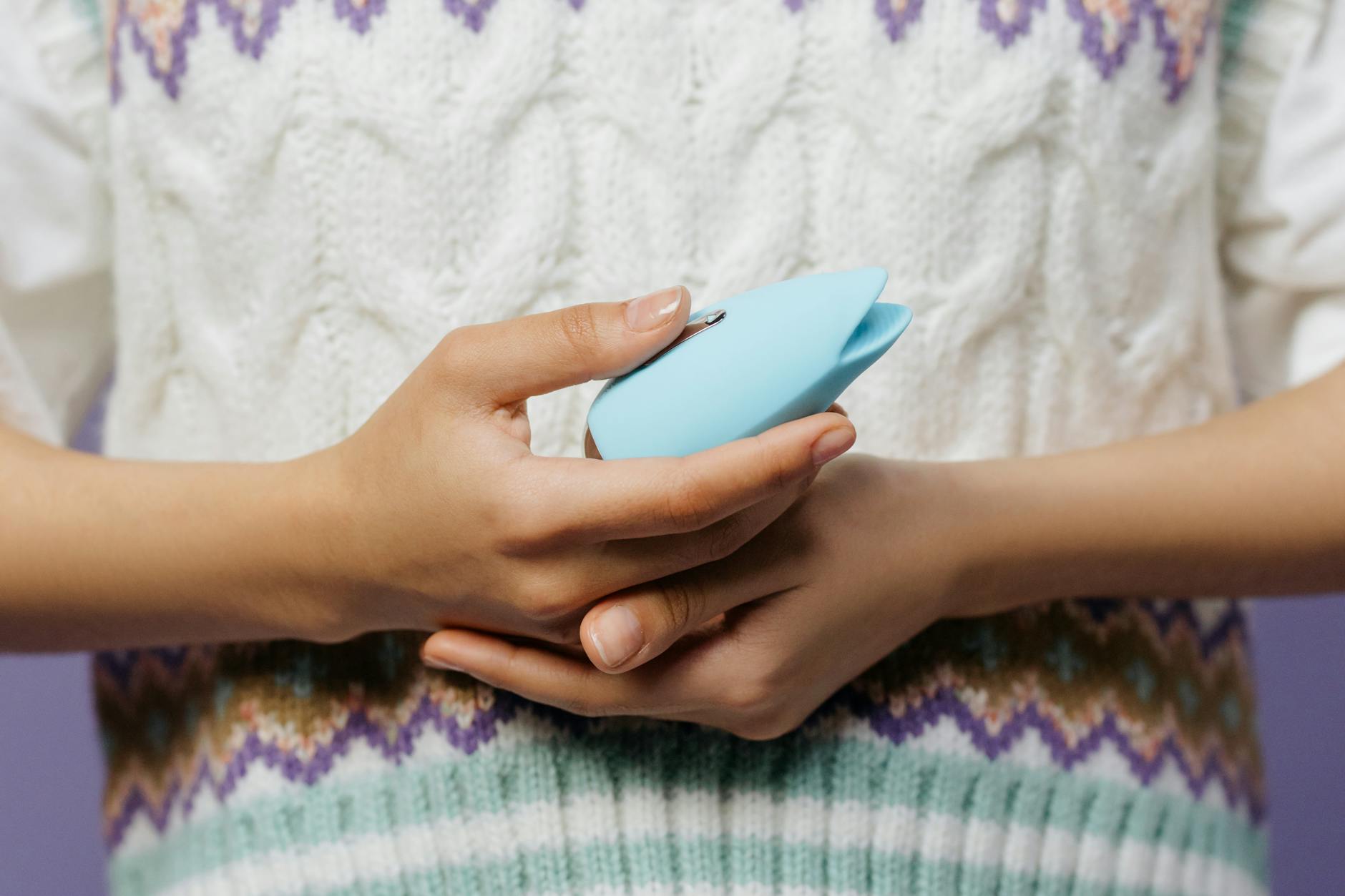
Photo by cottonbro studio on Pexels
Months 3 and beyond: the plateau and the acceleration
Somewhere between month 2 and month 4 post-op, most people hit a weird phase where sensation feels stuck. You're not making progress week-to-week anymore. You might feel frustrated. This is actually where the deeper rewiring happens, and it's invisible.
Your nervous system is reorganizing neural pathways at a microscopic level. Nerve endings are establishing new connections in the scar tissue. The inflammatory response is fully resolving. But from the outside, nothing looks different.
This is the time to vary your approach. Don't use your lemon vibrator the same way every time. Try different patterns. Try different angles. Try different positions. Your body needs novel stimulation to rewire effectively. Novelty tells the brain that sensation is returning and safe.
If sensation feels stuck, take breaks. Overuse can actually slow rewiring. Your tissue isn't damaged, but it is still rebuilding. 3-4 sessions per week is better than daily. Rest creates space for actual healing to happen.
Bring your partner in, if you have one. By month 3, most people are medically cleared for partnered touch. Your partner can help by being patient with the slower arousal, by respecting if something doesn't feel good, and by celebrating the small sensation victories without performance pressure. If you feel disconnected from pleasure in a long-term relationship, this post-surgery phase can actually be a reset point, not a derailment.
When something feels wrong
Most discomfort post-surgery is normal healing. But some things warrant a call to your surgeon.
Sharp, stabbing pain during or after using your vibrator. This is not just "healing sensation." Sharp pain suggests inflammation or nerve involvement that needs professional attention.
Pain that worsens over days. If today is worse than yesterday, and yesterday was worse than the day before, something is going in the wrong direction. Don't push through.
Numbness that hasn't improved by month 3. Some temporary numbness is expected. Persistent numbness past 12 weeks sometimes suggests nerve involvement that physical therapy can help with.
Swelling or discharge that coincides with pleasure attempts. Your surgeon needs to know. This could indicate the incision is being aggravated.
Most of these resolve quickly once caught. Your doctor wants you to heal fully, and that includes sensation recovery. They're not going to judge you for exploring pleasure during recovery.
The psychological side nobody warns you about
Here's the part that medical professionals skip: your brain is holding onto the memory that something bad happened to your body. Even after the physical healing is complete, your nervous system might stay protective.
You might feel nervous about sensation returning because it means your body is "normal" again and you have to face whatever life looks like post-surgery. You might feel grief about the loss of what your body was before, even if the surgery was necessary and the right choice. You might feel disconnected from pleasure because pleasure means reconnecting with your body, and your body has been a source of medical trauma.
None of this is a reason to force pleasure or feel broken. It's a reason to ease slowly into sensation again. To honor that your body has been through something and is asking for patience. To understand that pleasure doesn't have a timeline, and months 3-6 of slow, uncertain rewiring is not failure.
If the psychological piece feels too heavy, therapy helps. Pelvic floor physical therapy helps too. These aren't luxuries. They're part of recovery.
The practical reality: patience actually works
I've worked with hundreds of people in post-surgery recovery, and the ones who reconnect with pleasure most fully are the ones who stopped rushing it. They used tools like lemon vibrators as invitation, not demand. They listened to their bodies. They took breaks when things felt stuck. They celebrated the 60% sensation return at month 4 instead of being frustrated it wasn't 100%.
By month 6, most people report sensation that feels close to or identical to pre-surgery. By month 12, almost everyone is back to their baseline or even better, because they've been so intentional about reconnection.
Your body didn't lose the capacity for pleasure. It just needs a few months to remember.
People also ask
Is it safe to use a clitoral vibrator while healing from pelvic surgery?
Most doctors clear partnered touch and masturbation at 4-6 weeks post-op, but your individual clearance depends on what procedure you had and how your incision is healing. Before using any vibrator, confirm with your surgeon that you're cleared for sexual activity. Once you have clearance, lemon vibrators are actually gentler than many vibrators because the suction mechanism doesn't require sustained pressure on healing tissue. Start at the lowest setting and pay attention to how your body responds. If anything feels sharp or burning, stop and wait a few more days.
Why does sensation feel so foggy and muted after surgery?
Swelling and inflammation are part of normal healing, and they reduce sensation in surrounding tissues temporarily. Your nervous system also downregulates arousal during recovery as a survival mechanism. This protective response usually resolves between month 2 and month 6 as the inflammation decreases and your nervous system recognizes the crisis is over. The fogginess is temporary and doesn't mean you've lost sensation permanently.
How long does it actually take to feel pleasure again after gynecological surgery?
Timeline varies by procedure and individual, but here's a rough map: laparoscopic procedures, 2-4 months; C-sections, 4-6 months; hysterectomy, 6-12 months. Most people notice significant improvement by month 3. If sensation hasn't improved noticeably by month 6, pelvic floor physical therapy can help accelerate rewiring. Your surgeon can provide a more specific timeline based on exactly what they did.
Should I wait for a partner or can I explore solo during recovery?
Solo exploration is actually ideal during the early recovery phase because it removes performance pressure and lets you focus purely on sensation. You can start solo at your 4-6 week clearance point and introduce partnered touch when you're ready. Many people find that they reconnect with their own arousal faster when they're not also managing a partner's expectations or needs. Once you understand what your body is doing, partnered touch can be reintroduced without the weirdness.
What if I still feel numb at month 4 or 5?
Some variation in healing timeline is normal. If sensation hasn't improved noticeably by month 4, a conversation with your surgeon is worthwhile. Pelvic floor physical therapy can help accelerate rewiring by using specific techniques to reactivate neural pathways. A therapist trained in pelvic health can also help with any nervous system protection that's preventing arousal from returning. Most people who get this support see significant improvement between month 4 and month 6.
Can using a vibrator slow down healing?
Using a vibrator gently and sparingly doesn't slow healing. In fact, gentle stimulation increases blood flow to the area, which supports healing. What can interfere is overuse or ignoring pain signals. Keep early sessions short (5-10 minutes), use lower settings, and take rest days in between. If something causes pain, stop immediately. If you're worried about a specific activity, ask your surgeon for clarity on what's safe at your current healing stage.
Is it normal for orgasms to feel different or weaker after surgery?
Completely normal. Orgasms might feel less intense, more concentrated in a specific area, or delayed in arrival. This is because the neural pathways that create orgasm are still rewiring. Some people report that their orgasms actually feel different in a good way once they return, stronger or more localized than before. Whatever you experience in months 2-6 is your nervous system learning a new script. It's not permanent, and it's not a loss of capacity.
The point
Surgery changes your body temporarily. It doesn't change your capacity for pleasure permanently. The gap between medical clearance and sensation return is where patience matters most. Using tools like lemon clitoral vibrators thoughtfully during recovery helps your body remember that pleasure is safe again. Your healing timeline is yours. Honor it.